
Our Listees 2026
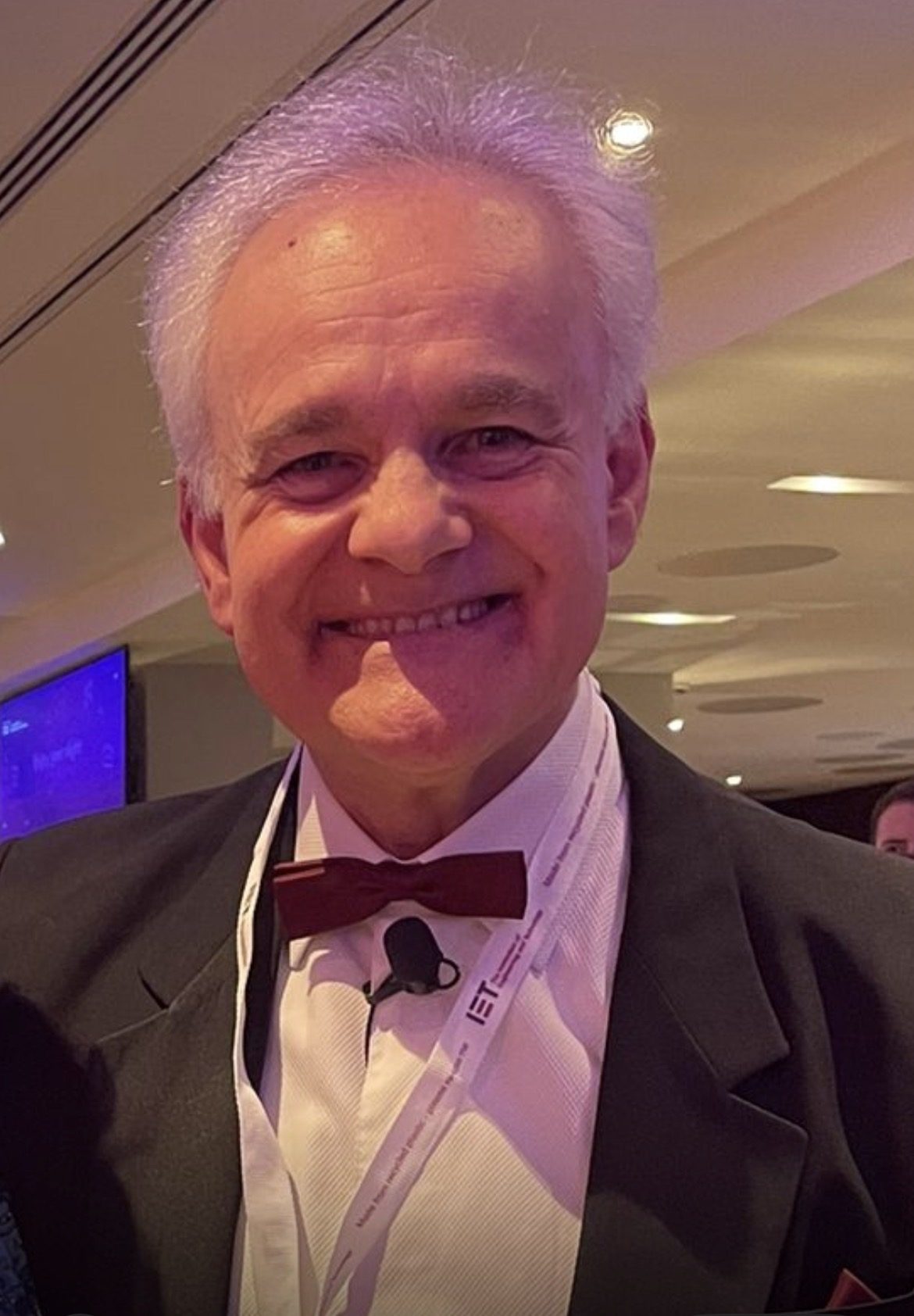
Vince Pizzoni
With over 40 years of global business experience, including blue-chip executive management and board positions, Vince is now a Professor at the University of Nottingham. He manages a diverse portfolio, including career sponsorship for undergraduates, graduates, and alumni at leading UK universities, and holds trustee and non-executive positions on several boards. He has mentored thousands of people over his lifetime and has a particular passion for closing gender gaps in STEM industries. Vince has been recognised with multiple awards for his leadership, impact, and gender advocacy.
“Vince exemplifies kindness through both his actions and his unwavering commitment to others. At an age when many choose to retire, he has continued to dedicate himself to making a difference. Having overcome personal trials, he works tirelessly to champion, coach, and sponsor women in STEM. Vince won the prestigious Chairman’s Award as Global General Manager of the Year at Suez for outstanding performance, and recently received the Davidson Medal from the Institute of Chemical Engineers for global leadership in mentoring.”
– Faith Ruto, CEO, Executive Coach, AI Adoption Strategist & Global Speaker, Transformation21st Limited
“Kindness is the language which the deaf can hear and the blind can see.” – Mark Twain

Tyler Hinkson
Tyler is a community leader dedicated to supporting and empowering others. He is the Events and Partnerships Director at TRIYBE, a forward-thinking organisation dedicated to creating positive and lasting change through transformation, amplification, and innovation. His community research, conducted in partnership with the University of Reading and the British Science Association on Project Natura, has raised awareness of chemicals in Black hair products. Away from his role, Tyler’s dedication to community is shown through his open mic events for emerging creatives, as well as his free gardening services for elderly and disabled residents.
“Tyler demonstrates kindness in leadership through humility, service, and a deep commitment to community wellbeing. His everyday acts of kindness have built trust and meaningful relationships within the community. Through RG Records and its open mic events, he provides safe and inclusive spaces where emerging creatives can perform, connect, and develop confidence. Tyler has also supported community fundraising efforts and local initiatives during difficult times, helping bring people together and reinforcing the importance of collective care.”
– Claudette Maharaj, Director, TRIYBE
Kindness also means having difficult conversations with respect and holding people accountable without losing compassion. For me, the strongest cultures combine high expectations with humanity. When people feel valued and respected and know they genuinely belong, kindness becomes part of how an organisation operates rather than something it just talks about.
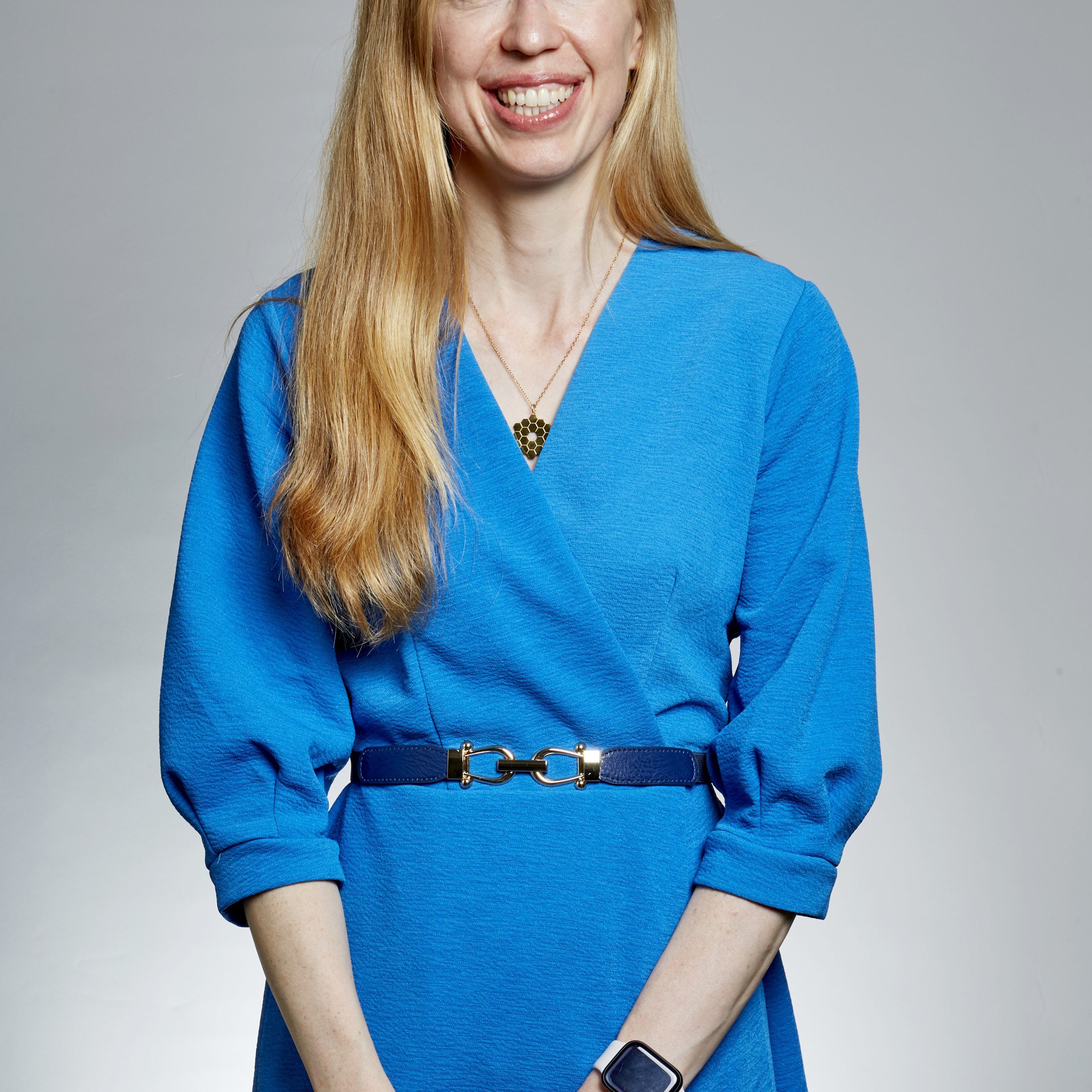
Tessa Baker
Tessa is a distinguished cosmologist whose career progressed from the University of Oxford to a professorship at the University of Portsmouth. Her research, which has redefined our understanding of gravity, is supported by over £3M in funding, including the prestigious Fulbright scholarship, multiple Royal Society awards and a European Research Council grant. She holds key leadership roles in international scientific observatories and leads weekly seminars, inviting internationally renowned speakers to share their science. Beyond research, Tessa is a prolific communicator, featured by the BBC, the Royal Institution, and New Scientist.
“I have always looked up to Tessa because of the way she leads with simple kindness and mutual respect. She generously used her grants to share my research and connected me with renowned international researchers. Her kindness extends far beyond our immediate team by welcoming others warmly, listening closely to their work, and asking insightful questions. By putting people first, Tessa hasn’t just produced great science; she has built a happy, confident, and highly collaborative global network. I will forever be grateful for her mentorship.”
– Rachel Gray, Lecturer, University of Glasgow

Susie Ma
Susie is the Founder and CEO of Tropic, one of the UK’s leading purpose-driven beauty brands. Having started the business at the age of 15 from a market stall, she has built Tropic into a company rooted in community, sustainability, and shared success. Under her leadership, Tropic empowers over 20,000 beauty entrepreneurs across the UK and embeds philanthropy into its entire brand. Tropic’s long-standing partnership with United World Schools has funded over 7.5 million days of education, helped 7,650 children access education, and helped to build five schools.
“Susie embodies kindness by coupling commercial success with care for people. She has created a culture where colleagues, ambassadors, and customers feel part of something bigger than skincare. For example, Tropic’s Give Back Friday replaced discounts with impact, funding 107,000 days of education while delivering strong results. Susie’s kindness is not soft or passive. It is strategic, courageous and consistent, inspiring loyalty, creativity and shared ownership across the business.”
– Charlotte James, Chief of Staff, Tropic
"My advice is to make kindness something people can actually feel. Really listen to people. Say thank you and mean it. Notice when someone’s having a difficult week, and create a culture where people feel safe to speak up, make mistakes, ask for help and be themselves.
"At Tropic, we are working to create a healthier, greener and more empowered world, and I truly believe that has to start from within. If we want to have a positive impact on the world around us, we have to begin with how we treat the people right beside us.”

Surosh Azizi
As Head of Finance at Gailarde, one of the UK’s leading contract suppliers, Surosh leads with a rare combination of technical precision and human integrity. He holds full responsibility for financial reporting, forecasting, and governance, and ensures all decisions are both commercially sound and ethically grounded. Alongside his corporate role, he is also the host of Raw Talk with Surosh, exploring human stories with depth, balance, and care. Across both spaces, he is recognised for his calm authority and ability to create trust in complex environments.
“Surosh embodies kindness through integrity, fairness, and emotional intelligence. He communicates expectations with precision, remains approachable, and supports individuals in navigating the pressures of financial accountability. Through Raw Talk with Surosh, he creates a platform for individuals from complex and often underrepresented backgrounds to share their stories with honesty and depth. Surosh’s leadership shows that kindness is not a soft attribute, but a standard of conduct.”
– Meral Alizada, Speaker, Thought Leader & Author, Results of Kindness
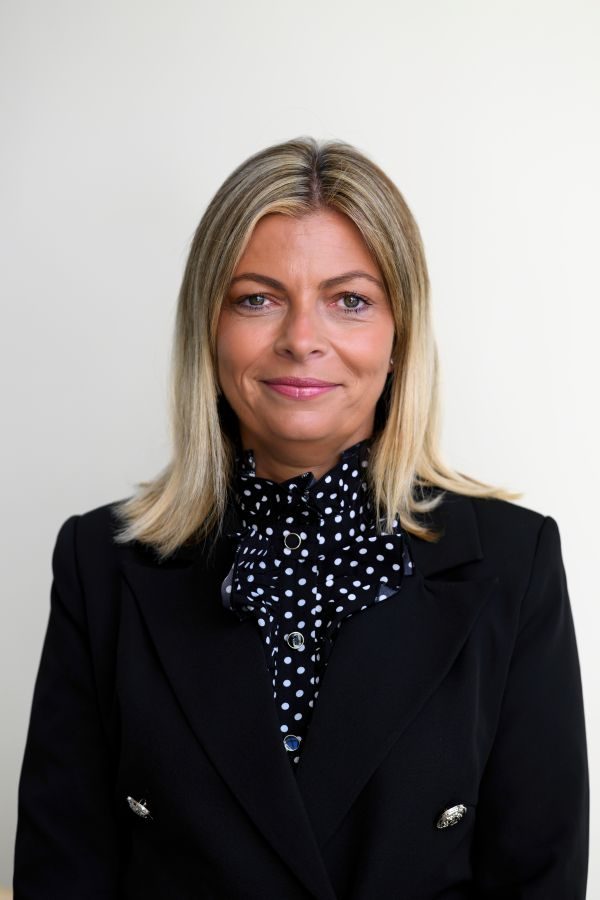
Sharon Butler
Sharon is the HR Director of the ONNEC Group, an IT infrastructure solutions provider, and a member of its Executive Committee, playing a pivotal role in shaping the organisation’s people, leadership, and operational effectiveness. She has led key initiatives to improve governance and embed better people practices across the business, ensuring ONNEC is well-positioned to scale whilst maintaining high standards of professionalism and compliance. Respected for her credibility, calm judgement, and collaborative style, Sharon consistently balances commercial priorities with genuine care for people.
“Sharon embodies kindness in leadership through the way she blends deep empathy with courage, clarity and fairness. At senior levels of the organisation, she creates psychological safety by modelling thoughtful and respectful leadership. During a recent meeting, Sharon played a central role in ensuring feedback was handled constructively, transparently and with respect for the individuals involved. This has helped to foster a culture where people feel supported, accountable and proud of their contribution.”
– Anjna McGettrick, Global Head of Strategy and Implementation, ONNEC Group
Kindness should also be reflected in business decisions and processes, not just individual actions. This includes promoting inclusive leadership, encouraging collaboration over competition, supporting employee wellbeing, and ensuring managers are held accountable for how they treat their teams.
Ultimately, a culture of kindness is created through consistent small actions that make people feel valued, respected, and supported. When embedded authentically, it strengthens engagement, trust, performance, and retention.

Serene Singh
Serene is a Welfare Officer at the University of Oxford, where she supports over 600 students. A criminologist researching women’s prison conditions and human rights violations, she is the founder of The Serenity Project, a charity supporting survivors of gender-based violence. A Rhodes Scholar and Sikh American, Serene also leads initiatives spanning student wellbeing, anti-racism training, and institutional inclusion, including pioneering Oxford’s first Sikh Langar community kitchens. Across justice, education, and community care, her leadership focuses on creating belonging and support systems for girls, women, and historically underrepresented communities.
“As a Welfare Officer, Serene responds to mental health crises, emergencies, and overnight callouts while ensuring individuals feel heard and supported without judgement. She demonstrates generosity through sustained care, from securing free period products to creating ongoing wellbeing initiatives that reduce stigma and increase access to support. Her leadership reflects fairness and inclusion, as she embeds anti-racism and welfare training into institutional systems. Serene strengthens trust, belonging, and resilience across the college community.”
– Megen Ravens, Student, University of Oxford

Sasha Samjic
Born in the former Yugoslavia, Sasha was given safety in Denmark and later moved to the United Kingdom during her twenties. She has since made childhood the centre of her professional life, first founding the Safe Space Group CIC, a nonprofit training and mentoring service, and then First Steps Care, a children’s residential home dedicated to the rehabilitation of young people post-radicalisation. Here, she now serves not only as its Founder but also as Director, on-site therapist, and Organisational Safeguarding Lead.
“Sasha has built a place that supports the cultural, linguistic and religious needs of every child in her care. She offers therapy not only to the children but to her own staff, firmly believing the people doing the holding need to be held themselves. Outside of First Steps Care, she is a consistent community contributor, supporting the annual ‘Make Christmas Special’ toy appeal in Redditch, which reaches over 1,000 children. She has also supported the Easter Blessings Hub, which distributed over 300 Easter eggs and children’s Bibles to families in need.”
– Sadie Juncal, Police Constable, Metropolitan Police Service

Sandra Wiggins
Sandra is the formidable Founder and CEO of Women on Boards CIC, a social enterprise advancing gender equity in leadership and board roles. Having worked for 40 years in male-dominated industries, she combines her passion and entrepreneurial spirit to enable her to be a breath of fresh air in her mentorship and transformational change endeavours. Sandra’s leadership style is rooted in honesty and authenticity, inspiring women from all backgrounds to achieve board-level success. Also a non-executive director, she champions inclusivity and drives systemic change for diversity and gender equality.
“Once you meet Sandra, you won’t forget her! Her passion for empowering women, particularly in STEM and manufacturing, drives her to challenge industry norms and break down barriers to inclusion. Even in the face of personal adversity, Sandra’s resilience and compassion shine through as she continues to prioritise the wellbeing of her community. I find her leadership transformative, creating lasting positive change and inspiring others beyond words. Her kindness makes a profound difference to all those fortunate enough to be in her orbit.”
– Kim Rowell, Trustee and Chair, UN Women UK and The Royal Television Society Technology Centre
Build kindness into how decisions are made, communicated, and carried through. It should not depend on who is in the room or how busy your organisation becomes. Kindness becomes part of culture when people experience it consistently, especially when it matters most.
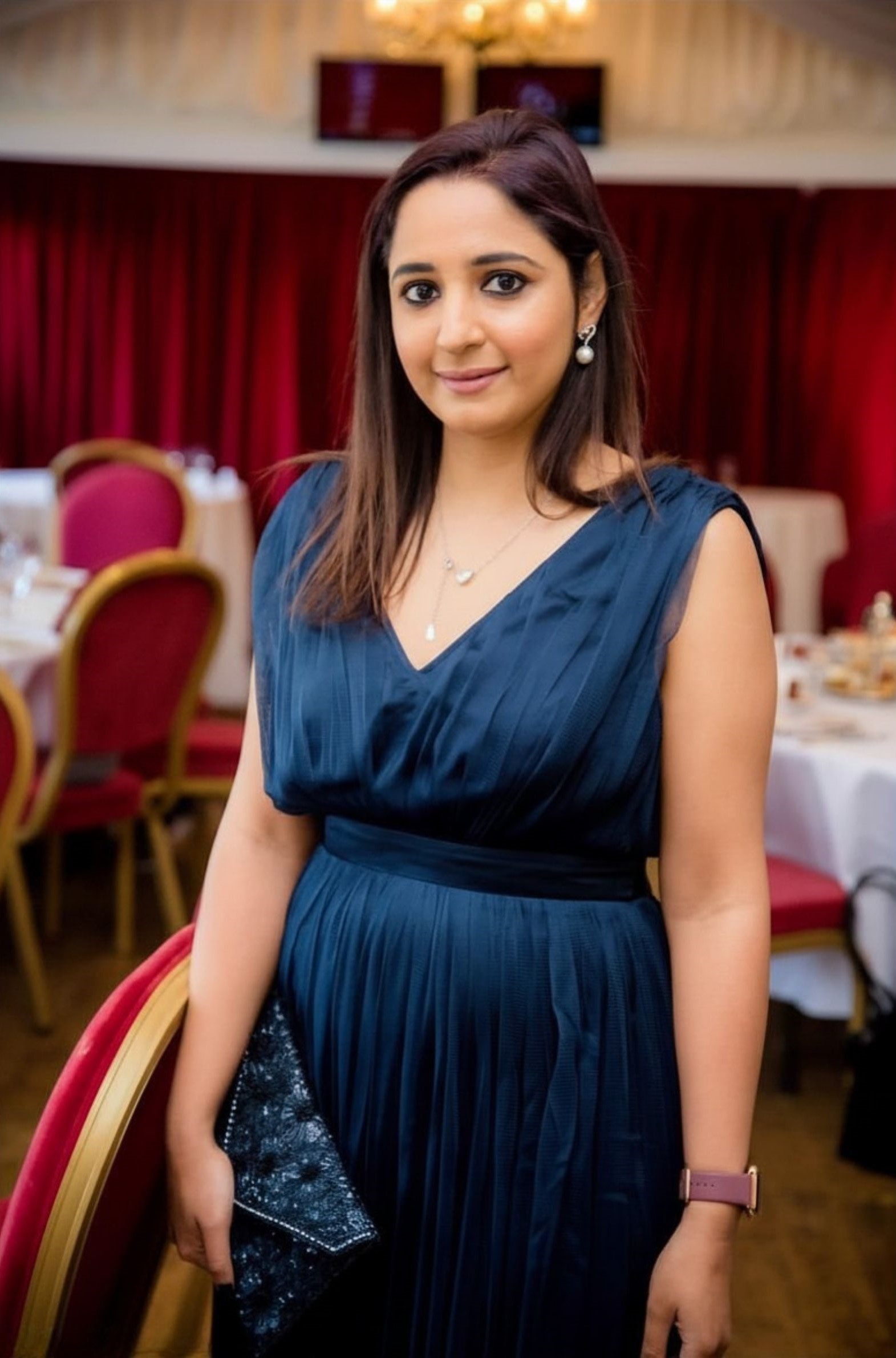
Sana Kardar
Sana is a Women’s Health Research Fellow at Imperial College Healthcare NHS Trust and a Strategic Policy and Communications Innovator at the UK Parliament. Working at the intersection of science, policy, and innovation, she improves screening uptake and shapes evidence-led health policy. Sana is also the Founder and CEO of Zephyra, an AI-driven platform addressing surgical outcomes in endometriosis. She has published articles on global women’s health inequalities, mentors emerging leaders, and has been recognised by 10 Downing Street for her contributions to bioscience, policy, and community impact.
“In her parliamentary role, Sana manages complex constituency casework, with her ability to listen without interruption and communicate clearly allowing her to build trust while navigating high-pressure environments. Within healthcare research, Sana understands the lived experiences behind data. And as a mentor, she supports students and early-stage founders through a leadership style rooted in encouragement and psychological safety.”
– Erum Masood, Consultant, Seddons GSC

Roxanne Potts
Roxy is the Chief Partnerships Officer at Inner Spark, the flagship programme of The Goyal Foundation delivering free personal development workshops to young people in under-resourced schools across the UK. She leads all partnership development and programme delivery, building meaningful relationships with schools, corporates, and community organisations. Under Roxy’s stewardship, Inner Spark has reached over 300 schools, with an ambitious mission to engage one million minds by 2030. She is the driving force behind the programme’s day-to-day operations, ensuring every partner feels valued and every workshop is expertly delivered.
“By nurturing long-term relationships with empathy and attentiveness, Roxy has created a network of partners who are deeply invested in Inner Spark’s mission. This approach has been instrumental in helping the programme reach over 290,000 students in schools where at least 20% of pupils receive free school meals. Roxy creates an environment where facilitators and colleagues feel supported to do their best work. Her approach demonstrates that kindness is the very thing that drives meaningful, scalable impact for young people who need it most.”
– Anita Goyal, Chair of Goyal Foundation

Roo Begom
Roo is the Founder and CEO of Committed Support, a healthcare staffing agency based in Newcastle. Since launching the agency in 2025, she has built a reputation for reliability, compassion and raising standards in agency care. Under her leadership, Committed Support supplies fully compliant healthcare professionals to care homes, nursing homes and supported living services across the North East. Her mission is simple but powerful: restore trust in agency staffing while “Making Agency Care Great Again” through accountability, professionalism and genuine care for both workers and residents.
“Roo leads with kindness by putting people at the centre of every decision. She is known for being accessible, hands-on, and always willing to help. Roo creates a culture in which her team feels trusted, motivated, and proud of their work. This people-first leadership has strengthened relationships and improved staff retention, showing that kindness is not only a personal value but a powerful organisational approach that strengthens teams, builds trust with clients, and raises standards across the industry.”
– Enayet Zaman, Compliance Officer, Committed Support

Rebecca Henley
Bex is a Campaign Manager at the University of Oxford’s Saïd Business School, where she leads global campaigns for the School’s online programmes. Known for building high-performing collaborative campaigns, she drives strong commercial performance and delivers content that combines academic credibility with digital impact. Alongside her role, Bex founded and now co-chairs the Parents and Carers Employee Resource Group, which has improved inclusion, engagement, and community across the School.
“Bex leads with clarity, empathy and consistency, creating environments where people feel supported and able to perform at their best. Operating beyond her grade, she has successfully onboarded four new partners, launched 15 new courses and delivered over £2m in campaign revenue this financial year. Her inclusive leadership also extends beyond the workplace through her fitness classes, where she is recognised for supporting participants of all abilities. What sets Bex apart as a rising leader is her ability to combine kindness with performance.”
– Amy Winder, Campaign Manager, Saïd Business School
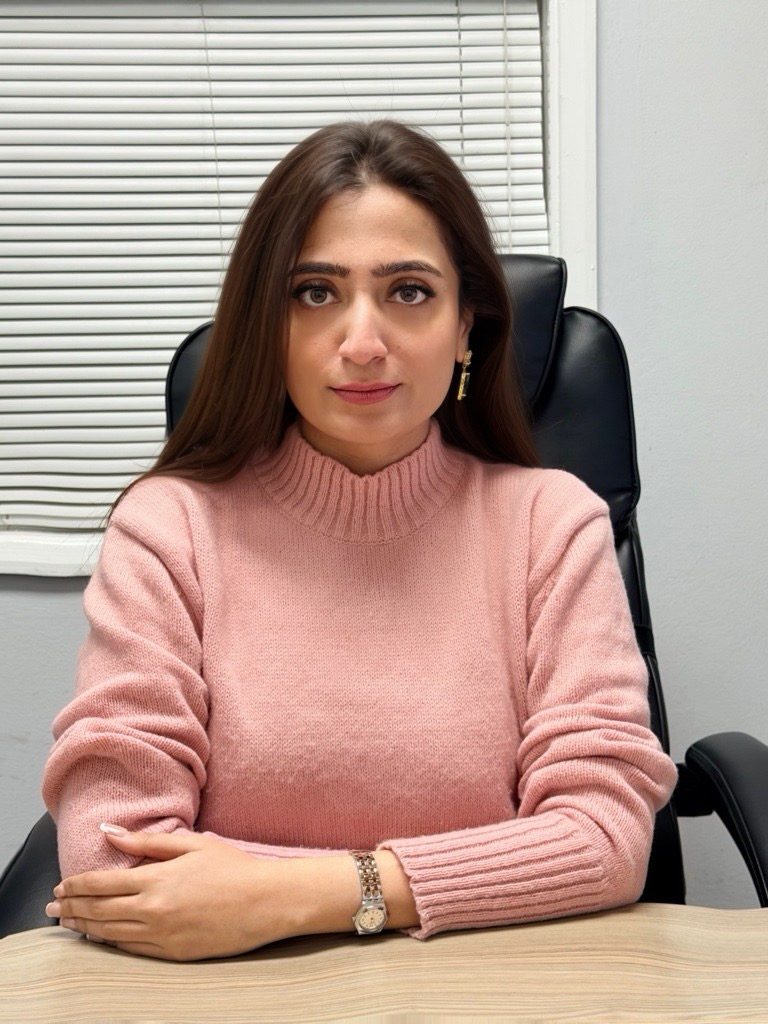
Ramsha Shahid
Ramsha is a London-based legal professional with over eight years of international experience, having previously practised as a lawyer in Pakistan and since transitioned to the UK. She specialises in immigration, civil litigation, and commercial property disputes, advising a diverse client base ranging from individuals to SMEs. Known for her strategic thinking and client-focused approach, Ramsha resolves complex legal matters through both litigation and negotiated settlements. Her cross-jurisdictional insight and results-driven practice position her as a dynamic and impactful voice within the legal profession.
“Ramsha embodies kindness in leadership through a pragmatic, solutions-oriented approach that balances empathy with commercial awareness. She takes time to understand the human context behind legal disputes, ensuring clients feel heard while guiding them toward efficient, cost-effective outcomes. Internally, she supports junior colleagues by sharing knowledge and encouraging confidence in decision-making. This approach fosters trust, improves team cohesion, and enhances client retention.”
– Erum Masood, Consultant, Seddons GSC
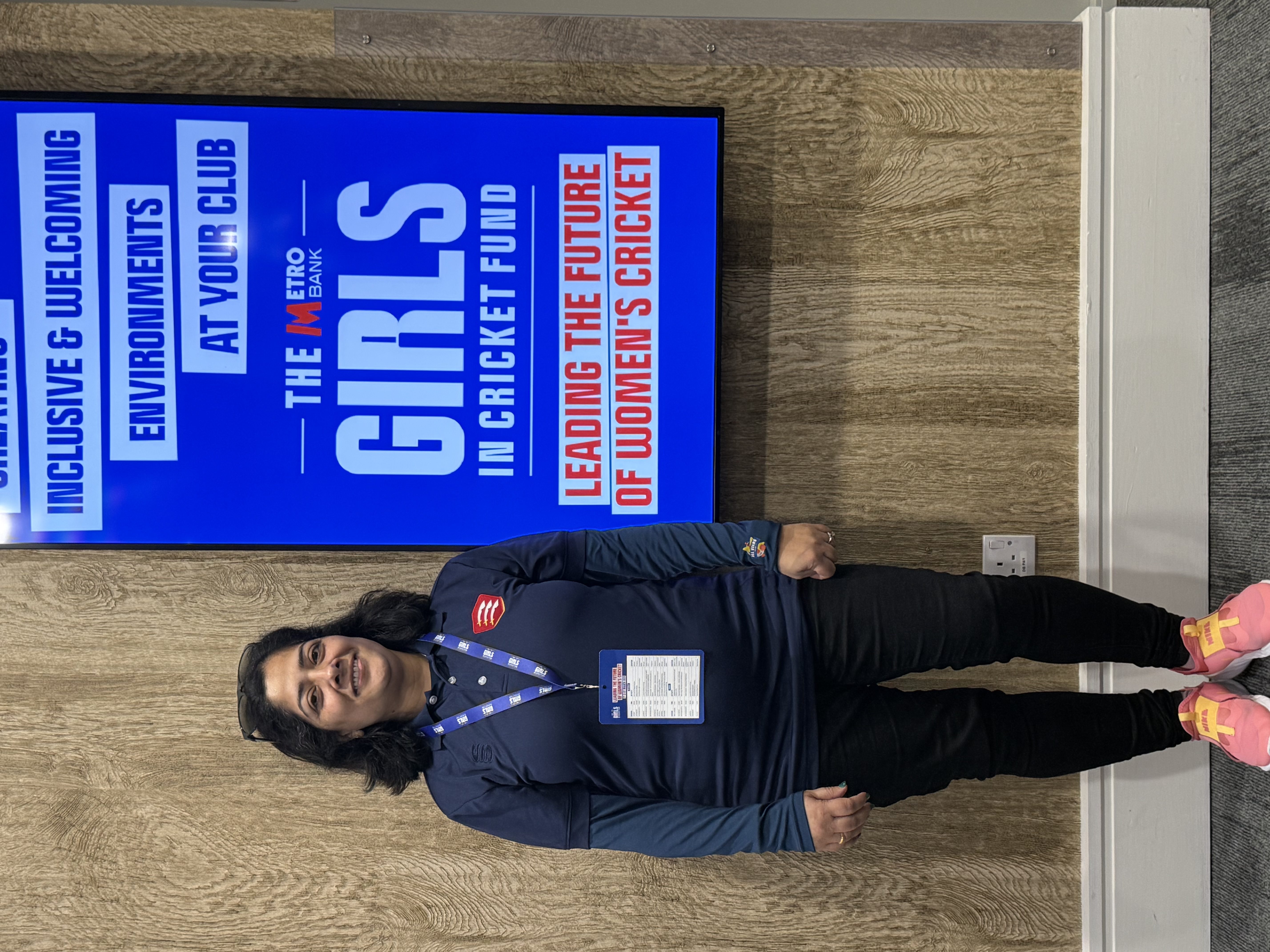
Promila Raina
Promila began volunteering with the Essex Cricket Dream Big programme in 2021 before progressing to become a full-time Youth Engagement Manager the following year. Through her work, such as delivering engaging events to hundreds of children and mentoring incoming volunteers, she has created pathways into cricket for thousands of young people across East London, particularly in underserved communities. Promila is widely respected among schools, clubs, and delivery partners for her inclusive and kind approach, and actively champions colleagues, volunteers, and children.
“Over three years of working closely with Promila, I have experienced first-hand how she takes the time to understand each colleague. She recognises the strengths in others and offers patient, thoughtful support. She has empowered me to take on new responsibilities, ensuring I feel trusted, capable, and supported in my development. Promila shares learning experiences, invites colleagues to development events, and celebrates success across the team. Her uplifting approach has created an inclusive culture which benefits everyone around her.”
– Jusnara Khanom, Community Engagement Officer, Essex Cricket

Payal Walker
Payal is an entrepreneur, leadership mentor, and creator of the OneTenTwenty Framework, helping leaders build trust-based networks and partnerships. As Founder and Chief Value Officer of Women on Boards CIC, she leads national efforts to advance gender equity across business and boardrooms. This includes the establishment of a cross-sector All-Party Parliamentary Group, where Payal works directly with MPs and the UK Government to shape policy that supports inclusive governance, better business practices, and gender equality.
“I have witnessed firsthand the impact Payal has on others, encouraging them to be the best versions of themselves. Throughout her journey, she has mentored hundreds of women in business, hosted over 300 events, and built strategic alliances with UN Women UK, Barclays Eagle Labs, and NatWest. Payal is also Chair of Charnwood Arts, an Arts Council National Portfolio Organisation that champions creativity, community voice, and cultural inclusion. Payal doesn’t just lead with kindness; she is kindness itself.”
– Kim Rowell, Trustee and Chair, UN Women UK and The Royal Television Society Technology Centre
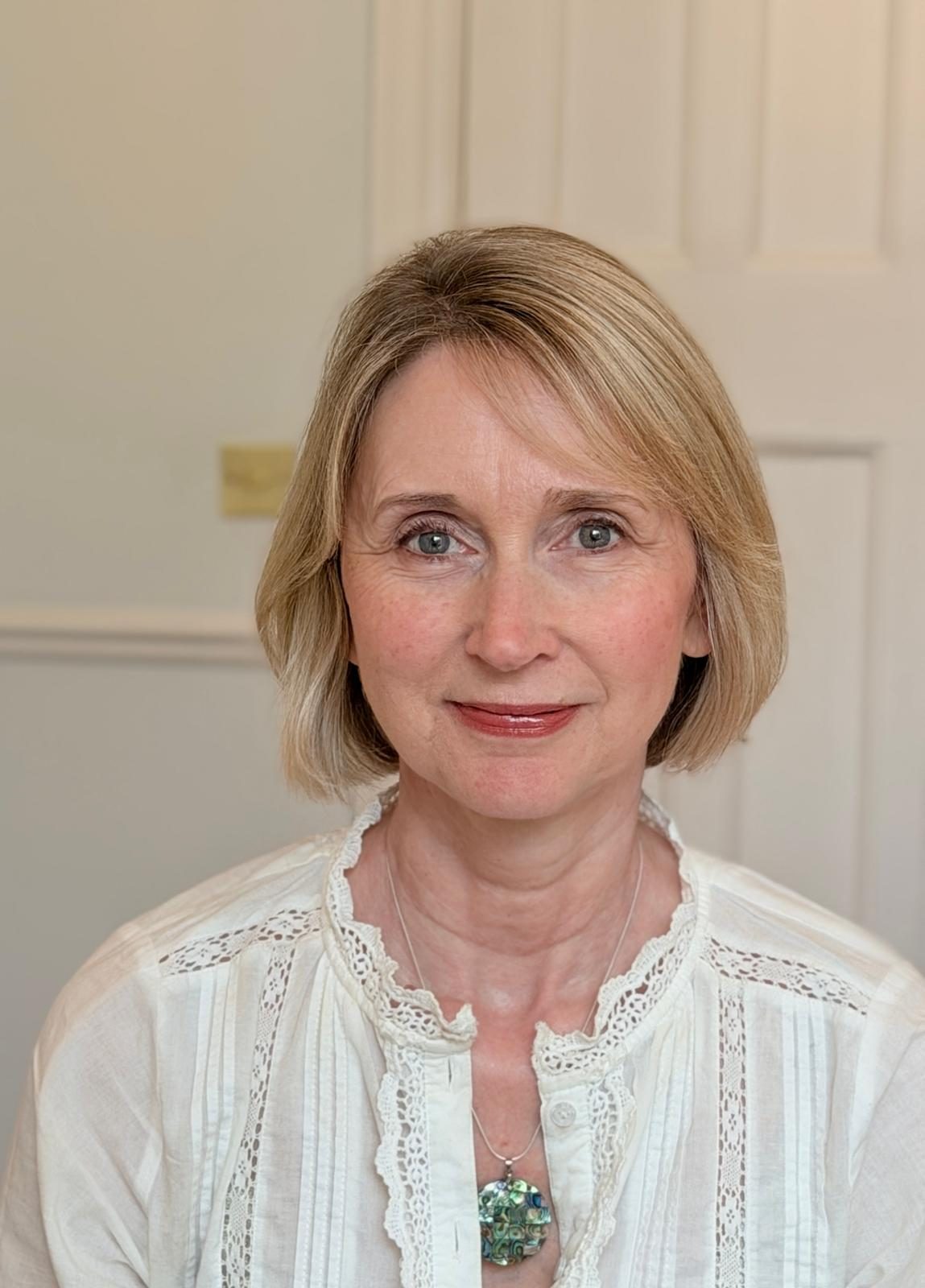
Pam Ledward
Pam qualified as a social worker in 1991 and has since held several frontline and management roles within English local authorities. Now a Director at the Family Rights Group, a specialist child welfare charity, she oversees the thriving parents, kinship care, and young people’s forums. Her critical work also helps to shape wider policy and practice reforms. In 2015, Pam developed the charity’s groundbreaking Lifelong Links approach, designed so children in the care system could develop a lasting network of people who care about them. Since its inception, over 5,000 young people have benefited from the programme.
“Pam is a phenomenal leader, colleague, and manager who has spent her entire professional life working to improve the lives of children and families facing adversity. She has been instrumental in the Family Rights Group’s strategic development and growth. 47 local authorities in England now have a Lifelong Links service, with independent evaluations demonstrating that the programme has led to improvements in children’s mental health and sense of identity. I consider myself so fortunate to have Pam in our senior leadership team.”
– Cathy Ashley, Chief Executive, Family Rights Group
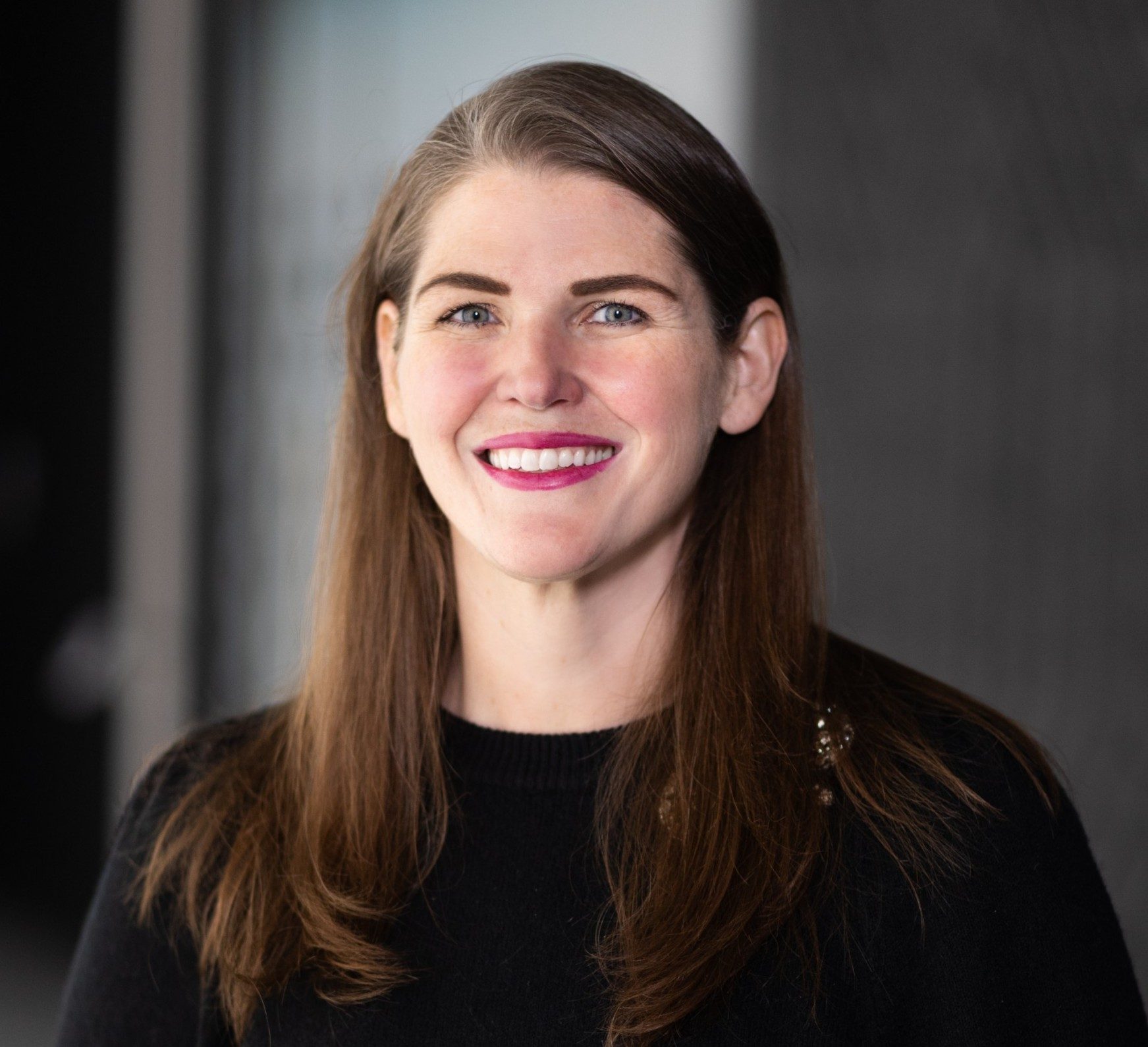
Nicole Knott
Nicole is a PwC Partner, Technology leader, and Chief of People Operations for the Workforce Transformation Business Unit. She has a reputation for delivering commercial results without compromising on kindness, and is widely seen as a role model embodying the firm’s values of inclusive leadership. Through her initiatives such as ‘People Pause’, women’s coffee gatherings, and concert thank-you events for client teams, Nicole has built an empowering working environment. In a tough market, Nicole proves that bringing others together produces greater commercial success.
“Nicole embodies kindness by consistently prioritising people, connection, and meaningful impact. As a single mother with her family abroad, she invests in others often at great personal sacrifice. She has championed parental leave transformation, hosted team and family events that reshape culture, and role models kindness at every grade level. Colleagues say she has directly built their confidence and given them courage to make bold career choices. The result is stronger collaboration, higher engagement, and better client outcomes.”
– Sarah Minor-Massay, Head of Inclusion, Engagement, and Culture, PwC
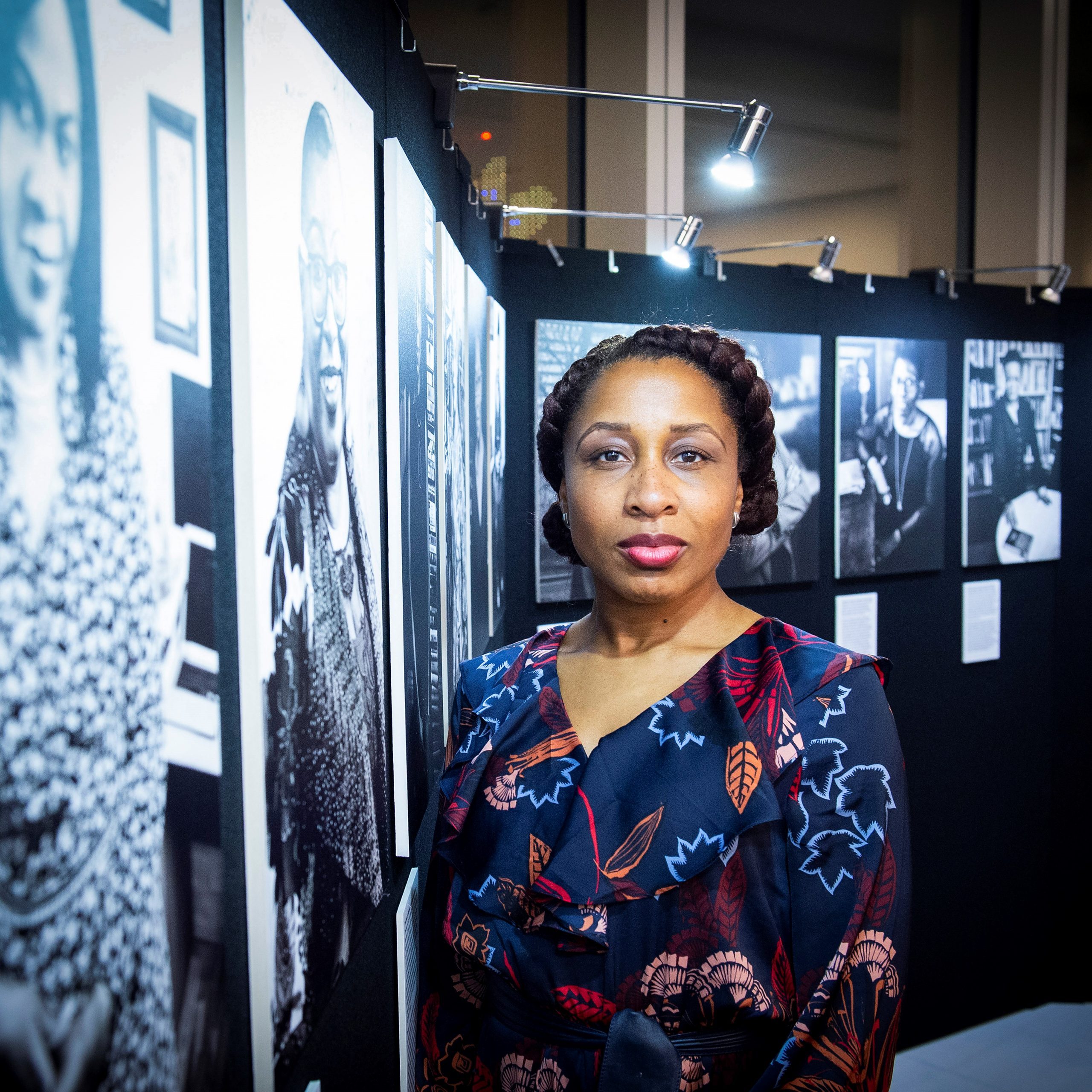
Nicola Rollock
Known for her research examining the career experiences of Black female professors, Nicola helps organisations improve their understanding of race and implement strategies for change. She is a member of the London Policing Board, Specialist Adviser to the Home Affairs Select Committee’s ‘The Macpherson Report: 22 Years On’ Inquiry, and Senior Advisor to the University of Cambridge’s Vice-Chancellor. Alongside her academic publications, Professor Rollock has also written for multiple newspapers and authored The Racial Code: Tales of Resistance and Survival.
“Professor Rollock has dedicated her career to fostering positive change in UK race relations. She works with many doctoral students to increase the field’s body of research and addresses life from a perspective of abundance rather than scarcity. She mentors many students from her former school and inspires change framed by kind and professional nurturing. She is a strong, knowledgeable and powerful voice in her area, whilst also always making whomever she is addressing feel heard, prioritised and valued.”
– Saskia Mower, Head of Philanthropy & Alumnae Relations, Streatham & Clapham High School

Nevelina Aleksandrova
Nevelina (Nev) is a Lead Engineer at the Public Library of Science, supporting Open Access publications across fourteen journals and 23,000 editors. Her previous work in the UK Government, particularly her leadership at HM Prison and Probation Service, saw her develop technologies to create safe and secure working environments. Nev deftly balances conflict to create fairer outcomes for both her stakeholders and team, with her greatest strengths being her clarity and strong leadership principles.
“Nev fosters a blameless culture and creates space to empower teams. She converses with people across the business and has a reputation for being warm and empathetic. Her mentorship has influenced many of her direct reports to be promoted ahead of schedule, and colleagues often follow her across organisations. Nev dedicates her time to others, speaking at Front End North and the Ministry of Justice, and organising conferences both locally and abroad. Colleagues admiringly describe her work as ‘like changing an airplane engine mid-flight’, as she continues to model kindness even under extreme pressure.”
– Christian Kohl, Director of Technology & Engineering, Public Library of Science (PLOS)

Nathan Atkinson
Nathan is a visionary leader championing health, wellbeing and food security in primary schools across the UK. His dedication to social impact is widely recognised, having founded Rethink Food and grown it to become one of the UK’s Top 100 Social Enterprises in 2025. He has received the British Citizen Award Medal of Honour for Service to Education, has been named one of Education Business’ 50 Most Influential People, and was named Yorkshire Business Leader of the Year in 2025 for the Public and Charity Sector.
“Nathan embodies kindness through consistent, values-led leadership that balances empathy with accountability. He leads a diverse workforce of staff and volunteers, creating an inclusive culture where everyone feels valued, listened to, and confident to contribute. Under his leadership, Rethink Food has grown significantly, expanding its reach to over 650 schools and launching the National School Pantry Network. Nathan has created not just a positive internal culture, but a model that is improving the lives of children and families at scale.”
– Sinead Sopala, Marketing Manager, Rethink Food CIC

Koyesha Mukherjee
A development economist with a distinction from the University of Manchester and a Gold Medal from the University of Calcutta, Koyesha left a UK Government career to build an organisation that has empowered over 5,000 young people across India, the UK, and the UAE. The Leading You^nth is a global platform equipping young people with life skills, mentorship, and international exposure. Through workshops, mentorship, and global experiences, Koyesha bridges the gap between education and real-world readiness. Her work focuses on empowerment and long-term impact, ensuring young people from diverse backgrounds are supported in reaching their full potential.
“Koyesha leads by making people feel seen. She invests time in mentoring individuals beyond formal roles, often supporting students through personal and professional challenges. Her leadership creates psychologically safe spaces where young people feel heard, valued, and confident to grow. Her introduction of a three-tier pricing model in her organisation ensures that cost is never the reason a young person cannot access career-shaping skills. Her leadership demonstrates that kindness at scale is both possible and a competitive advantage.”
– Amrita Rekhi, Director of Learning & Development, The Leading You^nth

Kimberley Canning
Kimberley is a standout emerging leader known for her people-first approach, clarity of thought, and natural ability to unite others. Beginning her career as an Engagement Coordinator with TP, a global leader in digital business services, she now leads the Employee Experience team for the UK and Ireland. Here she plays a key role in leading engagement initiatives and turning ideas into actions that make a tangible difference to staff. At a wider level, Kimberley is helping to shape a positive and sustainable culture where people want to stay, grow and perform. As a rising star, she already shows the qualities of a future senior leader, leading with integrity, warmth and confidence.
“Kimberley leads with kindness through the way she shows up for people every day. She takes time to listen, involves others in decisions, and builds genuine trust within her team. Under her leadership, the team has won awards for employee engagement, effective use of AI, reward and recognition, and DE&I at the 2025 Personnel Awards. One of Kimberley’s most valued traits is her calm and steady presence. And her ‘pause before panic’ motto! She helps staff to grow, build belief in their own abilities, and feel proud of the contribution they’re making.”
– Lisa Dolan, Regional VP of Employee Experience, TP
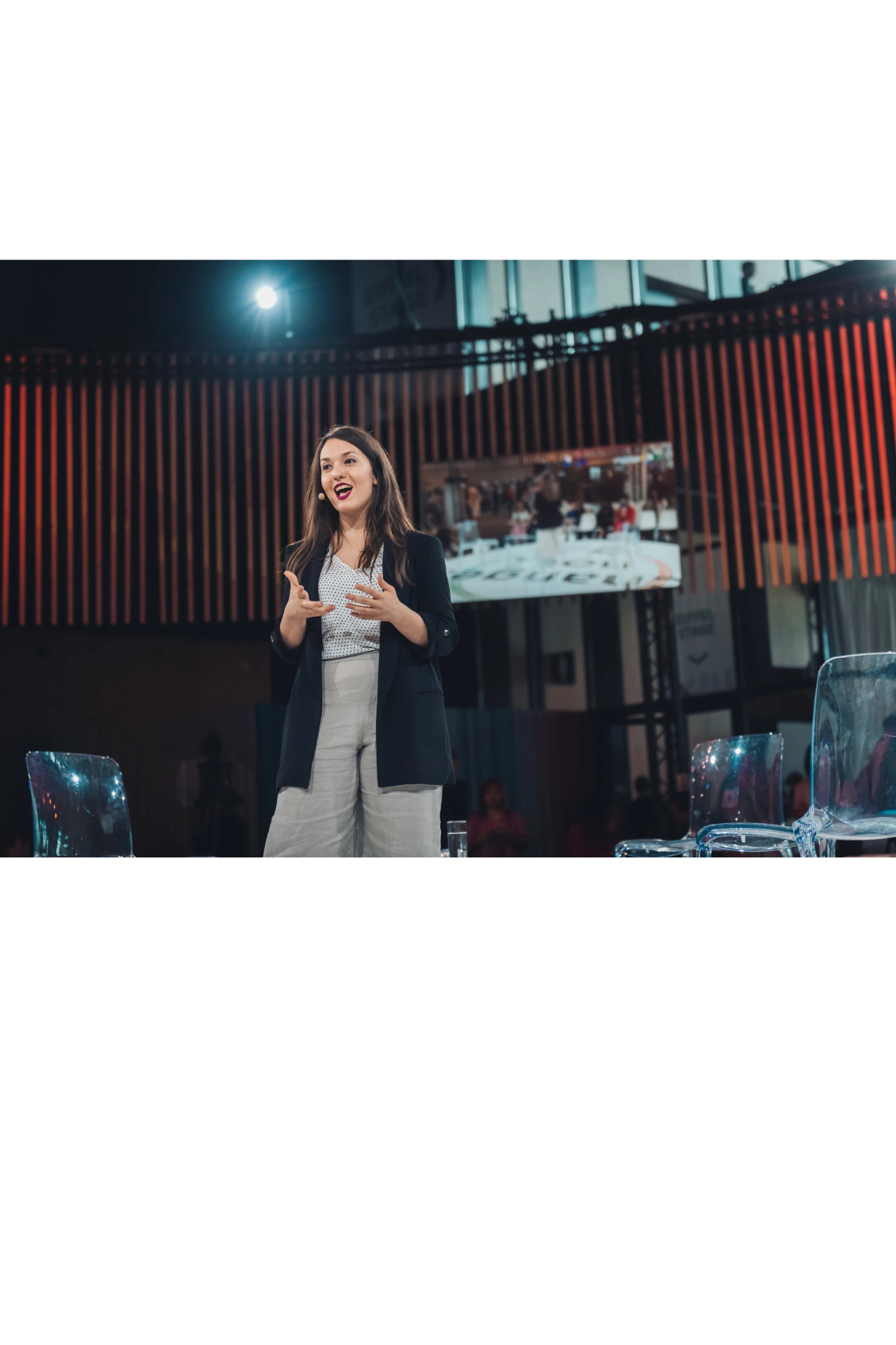
Katerina Chantzi
Katerina is a consultant, trainer, and speaker specialising in social business and organisational design. She supports organisations in aligning purpose with practice, fostering trust, and enabling more collaborative and human-centred ways of working. Through strategic consulting, workshops, and thought leadership, she helps leaders move beyond rigid structures toward adaptive, purpose-driven systems. Also the host of the Resillyence Podcast, Katerina challenges traditional workplace norms and promotes new perspectives on leadership, resilience, and connection.
“Katerina shows kindness in leadership through listening carefully, questioning assumptions, and involving people in the decisions that affect them. She does not treat ‘human-centred’ work as a concept, but translates it into concrete change. For example, in organisations where planning was previously top-down, she has introduced facilitated co-creation processes. These have resulted in clearer priorities, stronger buy-in, and less time lost to miscommunication or rework. She demonstrates that kindness, when practised with intention and rigour, leads to more resilient organisations and more sustainable results over time.”
– Silvia Dervishi, Youth Worker, Beyond Barriers
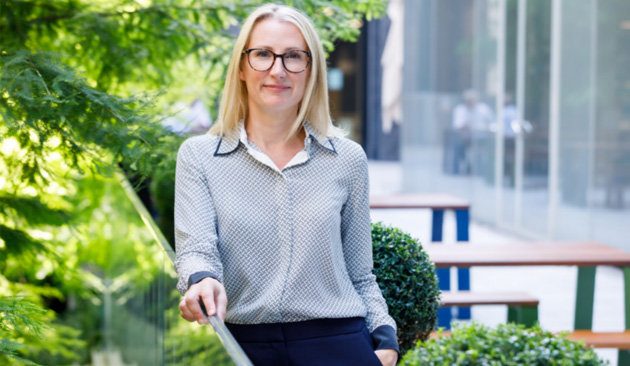
Julie Stephens
Passionate about a great employee experience leading to customer centricity, Julie has led significant transformation for over 25 years. With a first-class marketing degree, she began her career in marketing and HR roles across the Royal Mail Group before joining Bupa, first as Director of Learning and Development and most recently as People Director for UK Insurance and Functions. Over her years in Bupa’s senior leadership, she has led global work on employee wellbeing, inclusion, and diversity, with her most remarkable achievement being the execution of Viva, Bupa’s employee health and wellbeing benefits scheme.
“Julie is one of those rare leaders who combine exceptional professional capability with genuine kindness. She actively champions diverse voices, challenges assumptions, and ensures that decisions are made with fairness and inclusivity in mind. Whether leading projects, supporting colleagues, or shaping strategy, she consistently considers the impact on different communities and works hard to create opportunities for others to contribute and succeed.”
– Jo Hudson, Director of Communications, Bupa
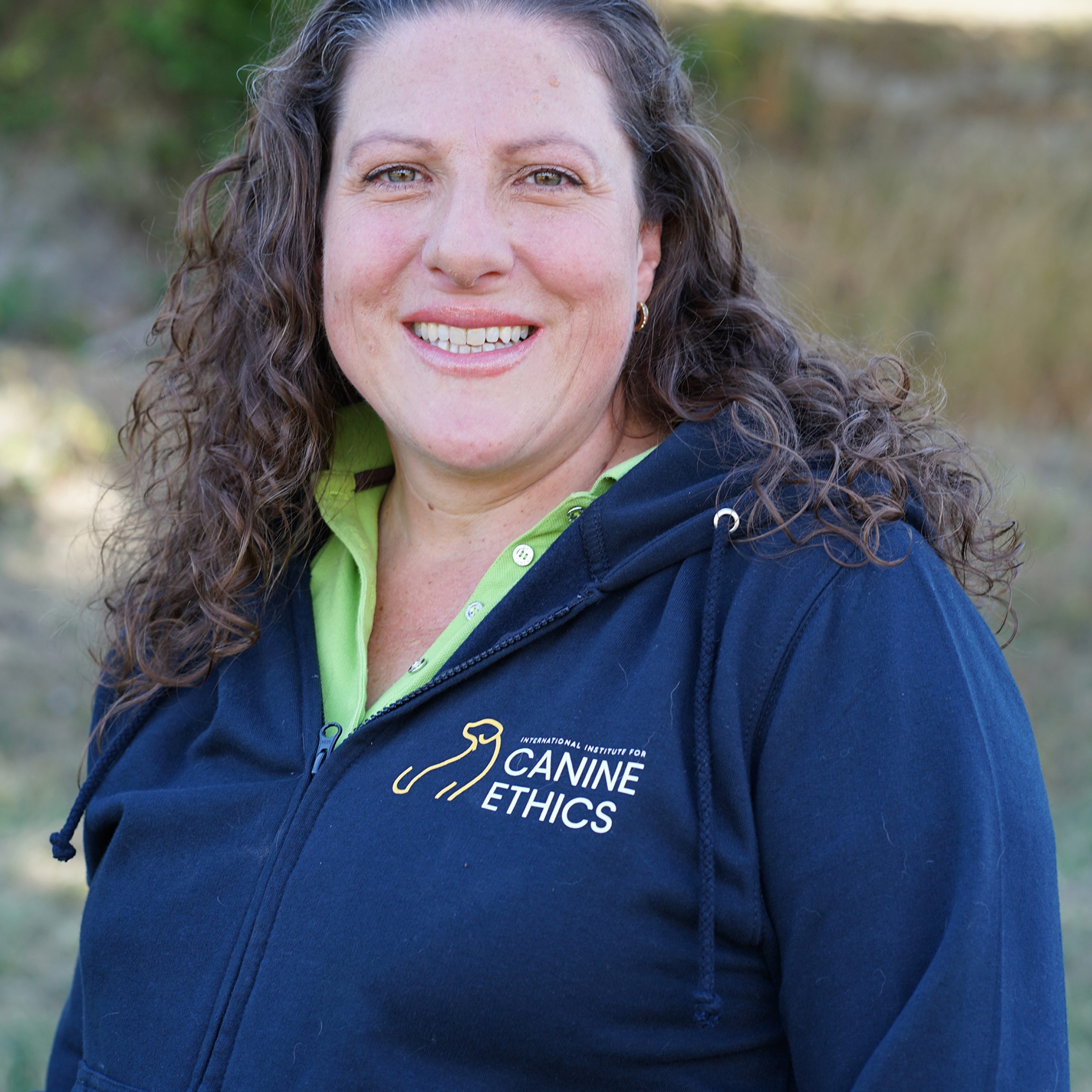
Jo Middleton
Jo is the CEO of three interconnected organisations at the forefront of UK ethical canine education. She heads up a multi-brand ecosystem delivering science-led, force-free professional development and formal Ofqual qualifications to thousands of canine practitioners worldwide. She has authored proprietary frameworks that are reshaping the industry’s approaches to dog rehabilitation and welfare. A mentor, educator, and ethical advocate, Jo is an inspirational leader making compassionate, evidence-based canine practice the norm rather than the niche.
“Jo has built organisations where force-free, consent-based principles apply not just to the animals at the centre of her work, but to every person within her professional community. Students, tutors, quality assessors, and collaborators consistently describe feeling seen, supported, and trusted. Jo gives her time freely, holds difficult conversations with care, and creates space for people to grow without fear of judgement. The culture across her organisations is a direct reflection of how she leads with warmth and honesty.”
– Stefanie Cowels, Virtual Assistant, Stefanie Cowels VA Services

Jenny Barron
Jenny is a Senior Manager at EY, celebrated for quiet and empathetic leadership. Nominated for Team Leader of the Year in the national Management Consultancies Association awards, she has led multiple high-performing teams with a people-first mindset, encouraging the growth of junior employees, prioritising wellbeing, and creating opportunities to build meaningful relationships. Outside of her role, Jenny leads learning and development opportunities for a community of over 400 colleagues and has created the ‘people pillar’ for client engagement, ensuring the prioritisation of wellbeing initiatives.
“Jenny delivers with technical excellence whilst embodying kindness. She specialises in leading human-centric transformations and is a consistent role model for consultants across the industry. Her initiatives have led to 100% ‘exceptional’ employee experience ratings, including her leadership of a CSR day to give back to the local community. No matter how busy client work becomes, she will re prioritise to make herself available, and has built the careers of those around her by being generous with her time.”
– Annabelle Perry, Consulting Manager, EY

Jenni Dunman
Beginning her career leading high-pressure investigations as a Detective Sergeant in the Metropolitan Police, Jenni is now the Director of Daisy First Aid, a company providing family first aid classes in over 900 areas across the UK. She has also founded the Auré Society, a private membership community for founders and CEOs who want to grow successful businesses without sacrificing their health or wellbeing. Jenni has spoken on stages including the National Gallery, appeared on TV, radio, and podcasts, and mentored founders in building lasting businesses.
“Daisy First Aid now has over 70 franchises, all started and supported by Jenni. Their work impacts families, nurseries and communities, and to date the lives of 24 babies have been saved by someone trained by Daisy First Aid. Jenni is now using her own business success to encourage and enable that of others through the Auré Society. She is an active member of the Worshipful Company of Entrepreneurs where she gives time to the Communication Committee and radiates kindness always.”
– Tee Dobinson, Director, Baizdon
Kindness also doesn’t mean avoiding difficult conversations. You can have high standards, hold people accountable and make tough business decisions while still treating people with dignity and respect. I think some of the kindest leaders are the ones who are clear and honest. It’s also ok as a leader to show vulnerability and that we are human too.

Jacqueline Johnston-Fisher
Jacquie is a prominent social entrepreneur and pioneering addiction recovery specialist. With work driven by deep personal history, she founded the UK’s first permanent dry bar in Liverpool, developed the UK’s first addiction recovery centre specifically for military veterans, and created the UK’s first-ever recovery choir. She is now the Head of Service at Vitality Homes, an abstinence-based recovery living centre for men, where she leads projects to widen acceptance, broaden education, and build mutual respect between residents and the community.
“Jacquie’s approach to life is through ‘vulnerable leadership,’ rooted in the belief that true strength comes from authenticity and human connection. She encourages openness and creates allyship to dismantle oppressive practices. Her work through the Recovery Choir provides a joyful, creative outlet for people to find their voices and build a sense of belonging through adversity. Her most profound act of kindness is her lifelong commitment to ensuring that no family suffers the same way hers did.”
– Catherine O’Kane, Registered Clinical Counsellor & Accredited Counselling Supervisor, Catherine and Duane O’Kane Inc

Isaac Samuels
Isaac is a nationally recognised leader in co-production, social justice and anti-racism. His work is grounded in lived experience, ensuring people are not just heard but can shape the decisions that affect their lives. Through roles with Think Local Act Personal, the Social Care Institute for Excellence, and the Co-production Collective, he has helped shift systems towards real inclusion. Known for his kindness and honesty, Isaac builds trust and creates safe spaces where people feel valued. His leadership has led to lasting change, giving people confidence, voice, and a real sense of belonging.
“What makes Isaac a kind leader is not just empathy, but consistency. He shows up the same way in every space, whether working with senior leaders or individuals navigating care and support. He takes time to check in, follows through on what he says, and ensures people are not left behind once the meeting ends. That reliability builds trust in a way that cannot be faked. Isaac’s kindness does not just make people feel better; it makes systems work better.”
– Yasmin Shamsoo, Executive Assistant, Greenwich Council

Hayley Roffey
Hayley is the Co-CEO of Global Fund for Children (GFC), leading work to support grassroots organisations and young leaders advancing children’s rights globally. With over 25 years’ experience of working alongside children and young people in the international nonprofit sector, her leadership has resulted in GFC’s commitment to trust-based philanthropy. Before joining GFC, Hayley co-founded the Funder Safeguarding Collaborative, a global initiative supporting funders to strengthen their safeguarding practices. She is also the host and founder of The Anxious CEO, a podcast designed to reframe anxiety as a leadership strength.
“Hayley demonstrates kindness in leadership by staying directly connected to GFC’s partners and engaging with all of the communities it supports. She has introduced regular organisational updates so staff understand decisions, and an open calendar so anyone can book time with her. She also invests in individuals by remembering personal details, checking in during busy or difficult periods, and making time for conversations beyond work. By modelling these behaviours consistently, she has built trust across the organisation.”
– Nasra Ayub, Programme Officer, Global Fund for Children
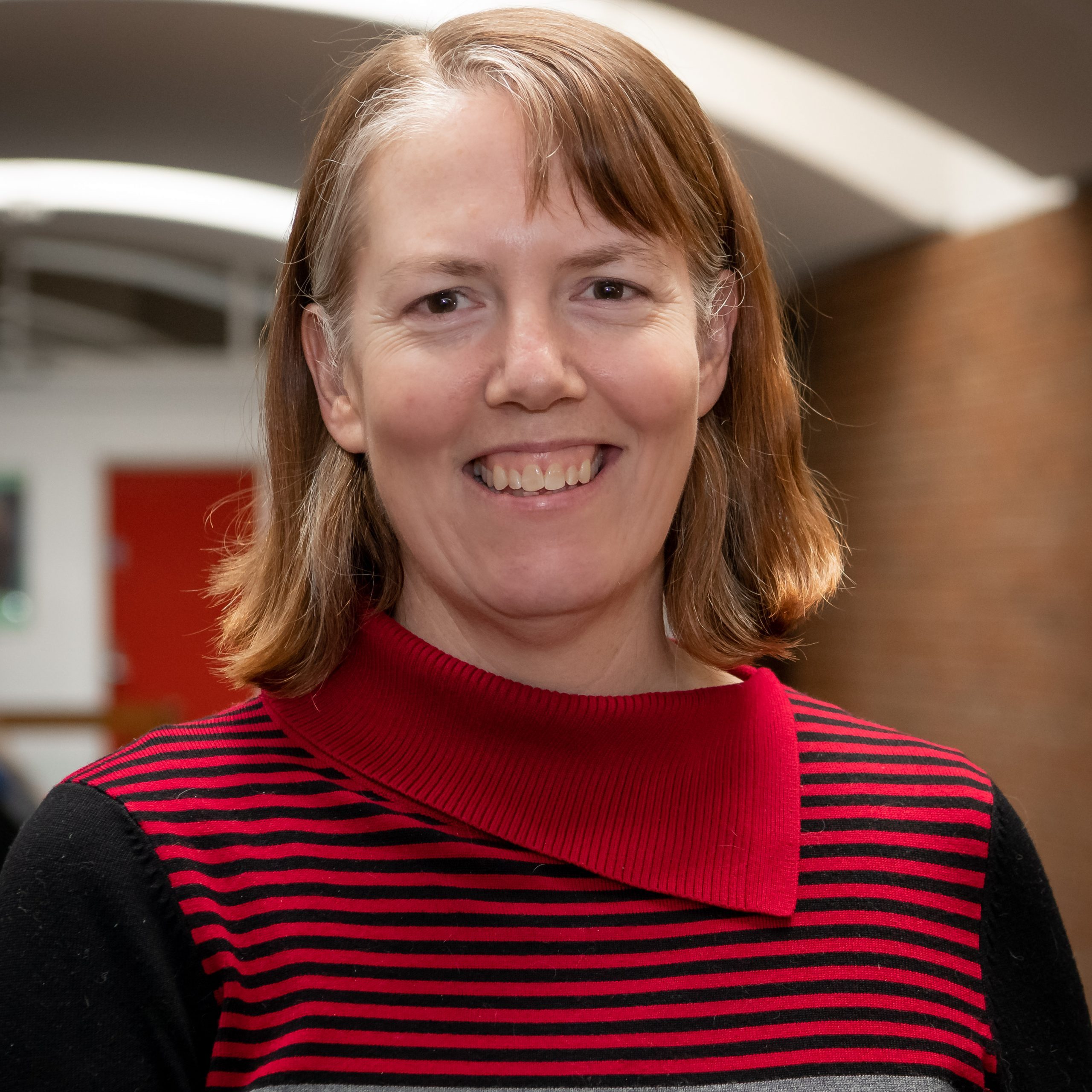
Gillian Sandstrom
Gillian is the inaugural Director of the groundbreaking Sussex Centre for Research on Kindness at the University of Sussex, where she holds the unique title of Associate Professor in the Psychology of Kindness. After working as a computer programmer, Gillian retrained in psychology and has since built a remarkable profile of scientific research and teaching on the nature of our social connections. She has also supported campaigns that encourage people to experience the power of kindness through connecting with others, in partnership with organisations such as Transport for London and GenWell in Canada.
“Gillian’s commitment to kindness in leadership was apparent from my first encounter with her, when I was introduced to her unique ability to combine strong evidence-based insights with an engaging approach to social interaction. She unlocks the potential of others to find positive solutions through her research insights, supervision of student projects, an extensive profile of media interviews and podcasts, and her latest book Once Upon a Stranger. Put simply, interacting with Gillian makes us all feel better about ourselves and about the world.”
– Robin Banerjee, Pro-Vice-Chancellor, University of Sussex

Flavia Popescu
Flavia is a multi-chartered, award winning engineering and programme delivery leader whose work has strengthened some of the UK’s most critical defence, scientific, and national infrastructure programmes. She has delivered over £35 billion in complex engineering projects, which have shaped governance, improved national capability, and advanced biosecurity resilience. As a mentor and role model, Flavia also supports future engineers, project managers, and leaders across multiple professional bodies. Her career reflects resilience, excellence, and service, from arriving in the UK at 18 without support to becoming a nationally and globally recognised leader.
“Through mentoring programmes such as STEM Ambassadors, The King’s Trust, and the REME Museum, Flavia has supported many emerging professionals, helping them to secure promotions, build confidence, and enter fields where they previously felt excluded. Her inclusive approach has been recognised through accolades such as the Global Recognition Award, Princess Royal Award, and UK Top 100 Net Zero Changemakers. On a wider scale, her kindness extends to public service, international collaboration, and community impact.”
– Alan Morgan, Civil Servant, UK Ministry of Defence

Fiona Severs
Fiona is an experienced director with a history of working in the legal services industry. A law graduate from the University of Cambridge, she has held roles as a solicitor, consultant, and most recently as the Head of Community and Engagement at Keystone Law. Since joining in 2018, Fiona has worked closely with the firm’s 400+ lawyers, all of whom are consultants working remotely, to enhance networking, promote the firm’s culture, and create a real sense of belonging.
“Fiona is highly attuned to colleagues’ needs, taking time to listen and respond with genuine care. As the first person new joiners meet, her warm, encouraging approach sets them up for success and ensures they feel valued from the outset. She is always available for a chat and often goes the extra mile, whether through thoughtful gestures like handwritten notes or by remembering personal details. The impact of her leadership is clear: stronger relationships, a more inclusive, trusting culture, and people who feel genuinely supported to succeed.”
– Sharmila Mehta, Partner, Keystone Law

Fareeha Zeshan
Fareeha is an International Coaching Federation-accredited Professional Certified Coach, Neuro-Linguistic Programming practitioner, and certified therapist. As the Chief Empowerment Officer at Million Smiles Global Saudi Arabia and CEO of Million Smiles Pakistan, she has supported thousands of women through award-winning leadership programmes. Also the Chairperson of the Million Smiles Foundation, Fareeha has impacted over 550,000 vulnerable people through girls’ education and humanitarian relief. Her integrated approach, combining leadership development, mental health, and relationship mentoring, has transformed organisations and communities across the Middle East and Asia.
“Fareeha embodies kindness through compassionate, people-first leadership. In male-dominated corporate environments across Saudi Arabia and Pakistan, she deliberately creates spaces where women can speak openly without fear. She starts meetings with wellbeing check-ins, models vulnerability by sharing her own challenges, and actively invites quieter voices to contribute. As a result, her teams report 40% higher psychological safety scores, and women who previously remained silent now confidently lead projects.”
– Daud Khan, Regional Coordinator, Million Smiles PK
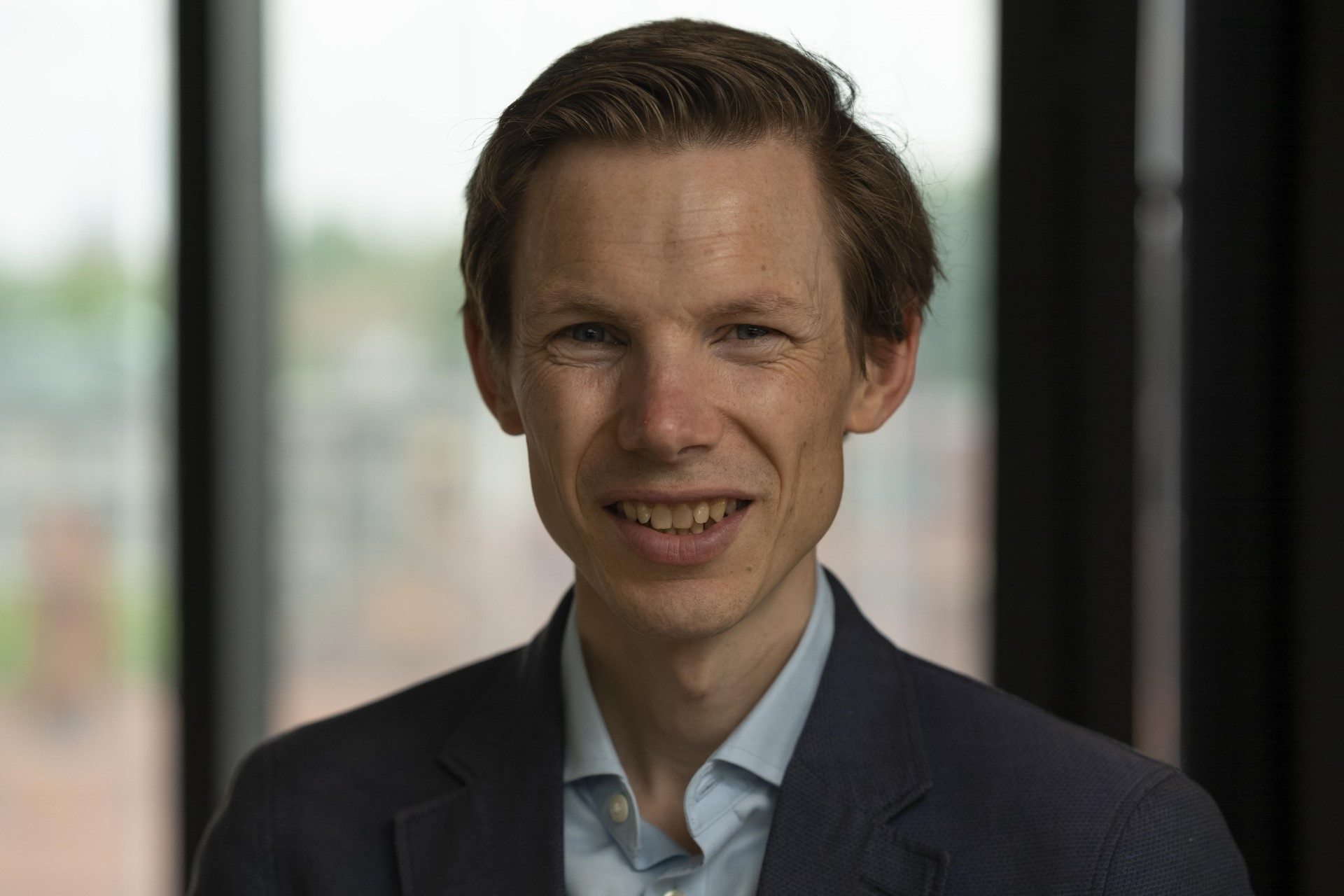
Edward Brooks
Edward is Executive Director of the Oxford Character Project and Associate Professor in the Department of Politics and International Relations at the University of Oxford, where he leads an interdisciplinary team to advance ethical and effective leadership through research, education and practice. Edward has delivered leadership programmes for students and professionals across the world and has co-founded initiatives including the Oxford SDG Impact Lab and Oxford Global Leadership Initiative. His work has featured in the Financial Times and Wall Street Journal, and he has been named in the Thinkers50 Radar list of business and management thought leaders.
“Edward embodies kindness through the consistency with which he treats people, regardless of their role or status. When a new junior colleague relocated to Oxford and struggled to find accommodation, Edward personally contacted more than 25 senior members across the University for help. This is particularly powerful because his work focuses on the qualities of character that underpin good leadership: he embodies what he teaches and is a role model to many, myself included.”
– Anjali Sarker, Senior Manager, The Oxford Charter Project

Dr Samreen Ashraf
Samreen is a respected academic leader recognised for transforming education through empathy, inclusion and empowerment. Having progressed from international student to senior leader, she exemplifies resilience and integrity. Samreen has guided more than 600 students, supervised 70 master’s students and overseen five PhDs. As the university’s most commended mentor, she has achieved 96% student satisfaction and holds 25 “You Are Brilliant” student-nominated awards. Her leadership extends beyond academia through British Academy programmes and active advocacy for equality, belonging and authentic leadership.
“Dr Samreen leads with empathy, authenticity, and courage. Students and colleagues describe her as a compassionate mentor who empowers them to rediscover confidence and direction. Her mentoring has produced tangible transformation: a student who once doubted her ability delivered a TEDx talk; another earned a prestigious scholarship; others co-authored peer-reviewed articles and advanced to doctoral study. As the first Pakistani recipient of the Jane K. Fenyo Award, Samreen’s leadership reflects every core principle of kindness, compassion, and care.”
– Dr Hande Turkoglu, Lecturer in Tourism, Bournemouth University
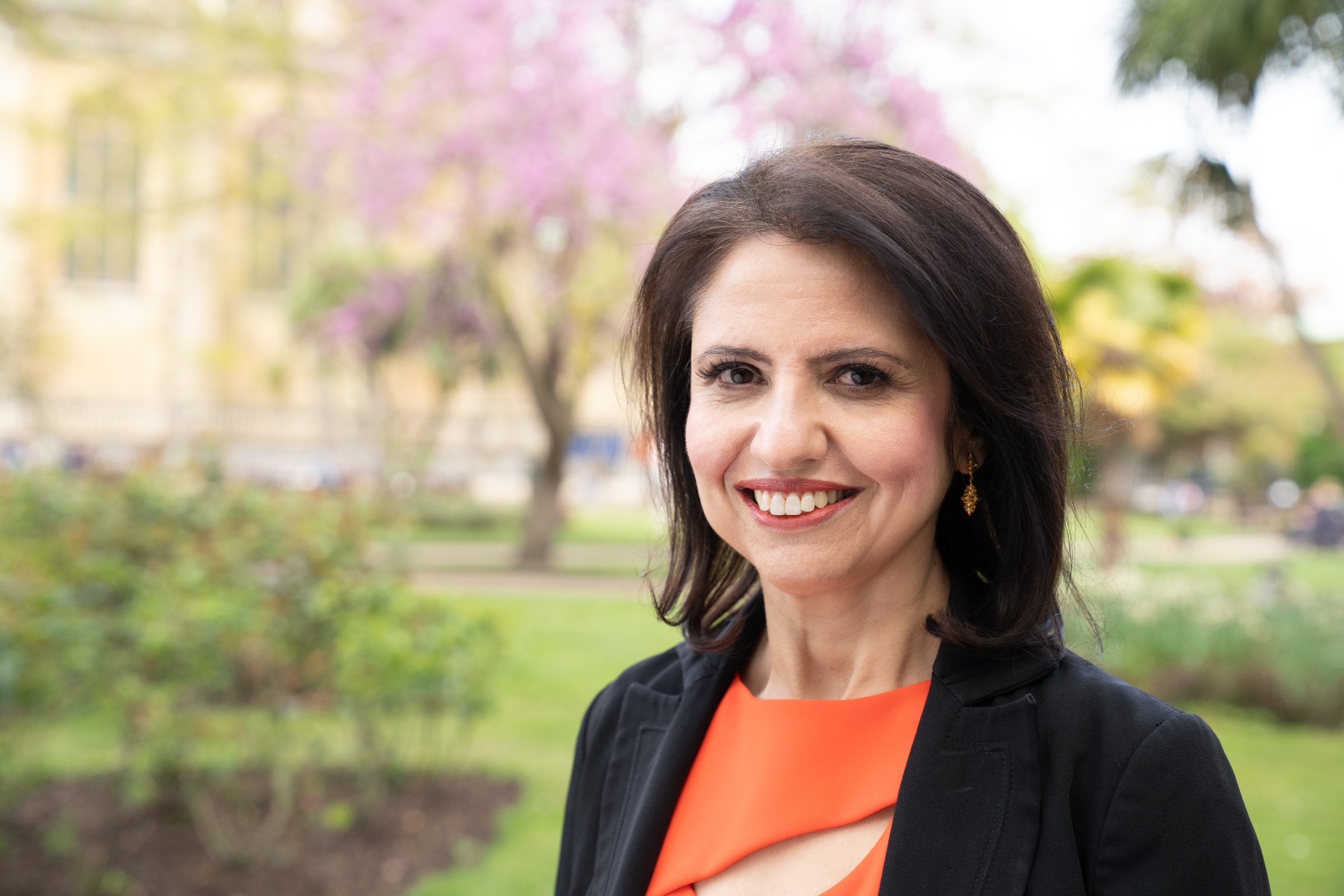
Dr Nitha Naqvi
Dr Naqvi is an award-winning senior paediatric cardiology consultant at Royal Brompton Hospital and Guy’s and St Thomas’ Hospital. Her extensive leadership portfolio includes a directorship of the largest NHS network for children with heart conditions, which spans over 6,000 square miles, covers 48 hospitals, and consists of more than 60 senior paediatric and neonatal consultants. Dr Naqvi also leads the aortopathy service, overseeing the care of children with inherited conditions that affect the large blood vessels.
“Dr Naqvi is an exceptional clinician whose care goes far beyond medical expertise. She approaches every patient and family with deep empathy, kindness, and respect, ensuring they feel reassured during challenging times. Her resilience and dedication are evident in the way she tirelessly advocates for each person. Beyond her clinical role, Dr Naqvi is an inspiring mentor, consistently supporting colleagues as they pursue paediatric cardiology. Her positivity and generosity of spirit create an environment where others feel valued and inspired to grow.”
– Prashanthi Katta, Consultant Paediatrician, Surrey and Sussex Healthcare NHS Trust
Be honest, approachable, supportive and appreciative of everyone's hard work whatever their role. Celebrate everyone's achievements. Smile whenever you can !

Dr James Punch
James is a Positive Behaviour Support Lead, trainer, mentor, and lifelong care professional with over 30 years of experience supporting people with disabilities, autism and mental health needs. He has worked across children’s and adult services including residential care, supported living and hospital networks. James has trained staff to the highest standard, led significant restraint and incident reduction, and transformed organisational cultures through person centred practice. Known for making dreams possible, he consistently goes beyond his role to improve quality of life, empower staff, and champion kindness across health and social care.
“James leads by example, remaining present and supportive even during crises or personal loss, or in challenging environments. His leadership prioritises people over process by listening deeply, valuing staff and service users, and acting with fairness and respect. This approach has improved staff confidence, strengthened safeguarding practice, and embedded positive cultures across services. By investing in people, sharing knowledge openly, and empowering others to succeed, James proves that kindness makes both moral and business sense.”
– Claire Abad, Support Worker, Freedom Care

Dex Hunter-Torricke
Dex is the Founder and President of the Center for Tomorrow, a global nonprofit dedicated to building flourishing societies in the age of AI. The son of a refugee and the first in his family to earn a university degree, Dex spent nearly two decades advising some of the world’s most influential leaders, from the UN Secretary-General to the CEOs of the world’s largest technology companies. In 2025, he left Big Tech to dedicate himself to one of the most urgent questions of our time: how do we ensure AI delivers a good life for everyone, not just a few?
“Dex’s life’s work is a structural act of kindness. His founding essay, Another Future Is Possible, argues that the AI revolution is heading toward mass displacement, inequality, and democratic breakdown and that the antidote is more fairness, more empathy, and more collective courage to choose a different path. Dex’s kindness is rooted in his authenticity and courage. His decision to step out of the industry in which he spent over 20 years, and to name what he experienced, is one of the bravest acts of leadership I have witnessed.”
– Tara Stevens, Executive Director, The Center for Tomorrow

Darren Hopgood
Darren has built a 20-year career in finance, working at both EY and Grant Thornton, and most recently becoming the Vice President of Global Finance Operations at Sony Pictures Entertainment. Away from his corporate life, he has voluntarily coached the U-14 team at Harwell and Hendred Youth Football Club for over seven years. He takes full responsibility for the team, from training to kit to pastoral care, ensuring the players not only develop a love of sports but also a respect for all within the game.
“Darren’s coaching style develops an appreciation for self-care, resilience building, and accepting defeat as a learning opportunity. His initiatives, such as creating a small leadership cohort for the team, allow the players to build their leadership skills, develop game strategy, and take responsibility for themselves and each other. His introduction of a trainer of the week award also recognises the children who have made the most effort to improve, not only during matches but within training sessions. He is an excellent role model both on and off the pitch.”
– Rebecca Oldfield, Executive Vice President, Technology, Infineum
1) Actions speak more loudly than words - setting the example of what kindness looks like in what you do and how you do it has more impact than talking about it; but
2) clearly communicating those standards to all is still required; and
3) holding others accountable to them is a must; while not forgetting
4) rewarding those who demonstrate those principles reinforces the behaviour.

Christopher Box
Chris is a senior PwC Partner who leads the Banking and Capital Markets practice and its advisory services. He is an inclusive leader who combines strong delivery with genuine care for the people around him. As the global client partner for BP, Chris energises a team across 32 territories and leads another major FTSE 100 client relationship. Away from his role at PwC, he is a board member at the Financial Services Skills Commission, where he helps to set the strategic direction of the UK’s financial services agenda.
“Chris shows kindness through consistent, everyday actions that are grounded in respect, inclusion, and empathy. He empowers his teams and makes everyone feel listened to. Chris supports development by enabling junior female colleagues to access opportunities via the Financial Services Skills Commission and engaging with senior business leaders and government to help people to do their best work. His leadership shows that strong results and kindness can create a lasting impact on both people and performance.”
– Peter Brown, Partner, PwC

Christina Dymioti
Christina is a social entrepreneur, marketing professional, and Founder of Fashion Heritage Network Cyprus (FHNC). A Global Youth Leader of the Queen’s Commonwealth Trust and Associate Fellow of the Royal Commonwealth Society, she empowers young creatives through sustainable fashion and cultural heritage preservation. Appointed by the President of Cyprus to the first-ever Technical Committee on Youth, she is the only diaspora representative on this UN-linked body. A PwC Women of the Future finalist, Cyprus Diaspora Forum award winner, and published academic author, Christina uses fashion as a tool for peacebuilding.
“Christina leads with generosity at her core. As founder of FHNC, she volunteers her time to mentor over 35 young creatives, opening doors for designers who would otherwise go unseen. She connects Greek Cypriot and Turkish Cypriot youth across a divided island, creating space for collaboration where politics has failed. Christina also uses her marketing expertise to amplify the stories of disadvantaged people rebuilding their lives. Her leadership is never about recognition; it is about service. She lifts others quietly, consistently, and wholeheartedly, which is precisely what makes her impact so profound.”
– Hannah Nazri, NHS Doctor

Charlene Braithwaite
Charlene is a consistently caring and thoughtful leader who quickly made herself an indispensable part of the student experience at the London College of Contemporary Music. She offers compassionate support to students and applicants who are navigating academic or personal challenges. Her impact extends beyond her formal role by enhancing student wellbeing and strengthening team culture. Whether it’s through her approach to support or small acts that lift morale, Charlene helps to make LCCM a more positive, inclusive, and welcoming environment for all.
“Charlene’s leadership has resulted in a more open, trusting team culture where both students and staff feel valued and supported. Her standout strength is how she balances that care with professionalism. She is clear in her expectations, but always approachable, meaning that students feel comfortable asking for help early. Her kindness drives better engagement, retention, and student satisfaction, making clear business sense by strengthening LCCM’s reputation as a supportive and student-focused institution.”
– Hanisha Ganwani, Senior PR Manager, Global University Systems
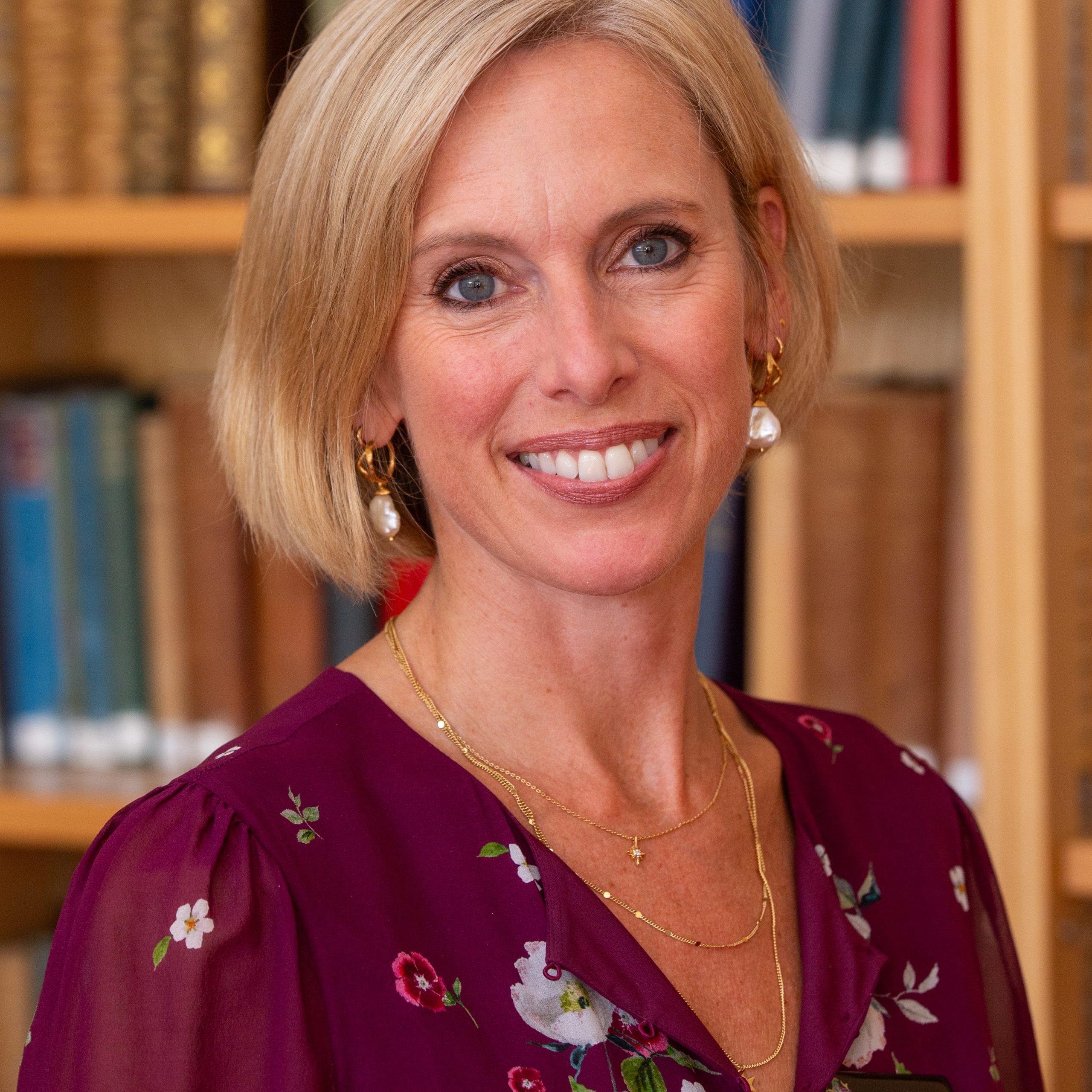
Cathy Ellott
Cathy has a bachelor’s degree from the University of Oxford, a PGCE from the University of Cambridge, and a master’s in National and International Literature from the University of London. Her career as an English teacher and school leader has spanned 30 years, including teaching at highly esteemed academic schools, most recently serving as Deputy Head and then Senior Deputy Head at St Mary’s School, Ascot. Cathy joined as Head of Streatham & Clapham High School (SCHS) in September 2023, where she has transformed its agenda into one of kindness, integrity, and respect.
“Ms Ellott consistently models the behaviour she hopes to see from her students and staff alike. By bringing together strong, diverse, kind and curious leaders on the Senior Leadership Team, Ms Ellott and her extended SLT provide an approachable, inclusive, transparent environment for the school’s teachers and staff. When students have asked for a prayer room, revised homework schedules, or just to speak with her, Ms Ellott has extended humility and kindness to all those around her, prioritising the wellbeing of each student and staff member alike.”
– Saskia Mower, Head of Philanthropy & Alumnae Engagement, Streatham & Clapham High School
Carolyn Pepper
Carolyn is a Partner in the Entertainment and Media Group at Reed Smith LLP. She founded the firm’s multi-award-winning LEADRS group, which promotes the inclusion of people with disabilities in the workplace. Outside of her day-to-day role, Carolyn collaborates on initiatives including the Digital Accessibility Portal and the LEADRS disability summits. She is also a dedicated mentor to colleagues and external charity students, regularly undertakes pro bono work, and has personally hosted Ukrainian refugees in her home.
“Carolyn advocates for flexibility for anyone who needs it and is always accommodating of personal circumstances. She organises regular catch-ups with every associate, trainee, and Executive Assistant on her team, ensuring everyone feels valued and included. Her kindness does not waver under pressure; even when busy with fee-earning work, she maintains her LEADRS commitments at full strength. She is an inspiring example of someone who has achieved huge success while remaining true to herself and her beliefs.”
– Antonia Panayides, Partner, Reed Smith LLP
Carien van der Hoop
A highly experienced people manager, Carien has worked in the financial information industry for over 30 years. Beginning her career in Amsterdam as a Customer Support Executive, she moved to London and became involved in data, covering real-time financial instruments traded between banks. She has since worked in various organisations, managing teams in the UK and EMEA, before moving to her current global role at LSEG, where she is the link between product and relationship teams. Carien has also been part of the LSEG Women Inspired Network (WIN) for many years, supporting women in their careers through networking and development events.
“Carien leads by listening, investing time in others, and creating inclusive spaces where colleagues feel safe to contribute. Through her leadership on the LSEG WIN and its flagship Leaderthon, she has strengthened collaboration, innovation and cross-team connectivity across the organisation. By mentoring colleagues and enabling diverse voices to take ownership, she has helped build confidence, skills and engagement at scale. This has not only enhanced LSEG’s culture of inclusion and collaboration, but also delivered tangible business value.”
– Cecily Liu, Senior Associate, Sustainable Finance & Investment, London Stock Exchange Group
Walk around with a smile on your face and say hello; it opens conversations with people you have not necessarily met.

Bamidele Farinre
Bamidele is a multi-award-winning Chartered Biomedical Scientist, agile practitioner, educator, author of The Mentor’s Journey, and global STEM advocate. Her career spans multiple industries, where she has strengthened diagnostic systems and championed inclusive leadership. Beyond her formal roles, Bamidele serves as Vice Chair of the Institute of Biomedical Science Virology Specialist Advisory Panel, is an Honorary Fellow of the Academy for Healthcare Science, and volunteers as a Black Young Professionals Ambassador. Through mentorship, speaking engagements, and science articles, she actively supports the next generation of scientists.
“As a mentor, BAME Staff Representative, and Freedom to Speak Up advocate, Bamidele creates safe spaces where colleagues feel heard, respected, and valued. Her submission to the All-Party Parliamentary Group on Diversity and Inclusion in STEM demonstrated how issues such as algorithmic bias and gendered harms can be addressed through inclusive innovation and policy. Contributions such as these show how her kindness is reflected at a systemic level, ensuring that technological progress can benefit all communities.”
– Naomie Praise, Councillor, BAME Officer & Mental Health Advocate, Renewal of Your Mind

Anne-Marie McBrien
Anne-Marie is a higher education manager with over 25 years of professional experience. During this time, she has worked across central and departmental university structures and developed a focus on research management and funding administration. A graduate of the University of Oxford, she has been a key part of the Saïd Business School for 21 years, where she now leads the Faculty Services department. Here she solves numerous complex issues with sensitivity and grace, and always takes the time to understand all she works with.
“Despite her insane schedule, Anne-Marie never fails to give advice and guidance to her colleagues, even when juggling a host of competing priorities. I have seen her interact with colleagues from catering to Academic Deans, and all are treated with the same respect. She isn’t afraid of being vulnerable, always supports the people around her, and empowers others to lead. Her sincerity and groundedness are inspiring; I have never had a manager this committed to others.”
– Kimberly Marsh, Academic Planning Manager, Saïd Business School, University of Oxford
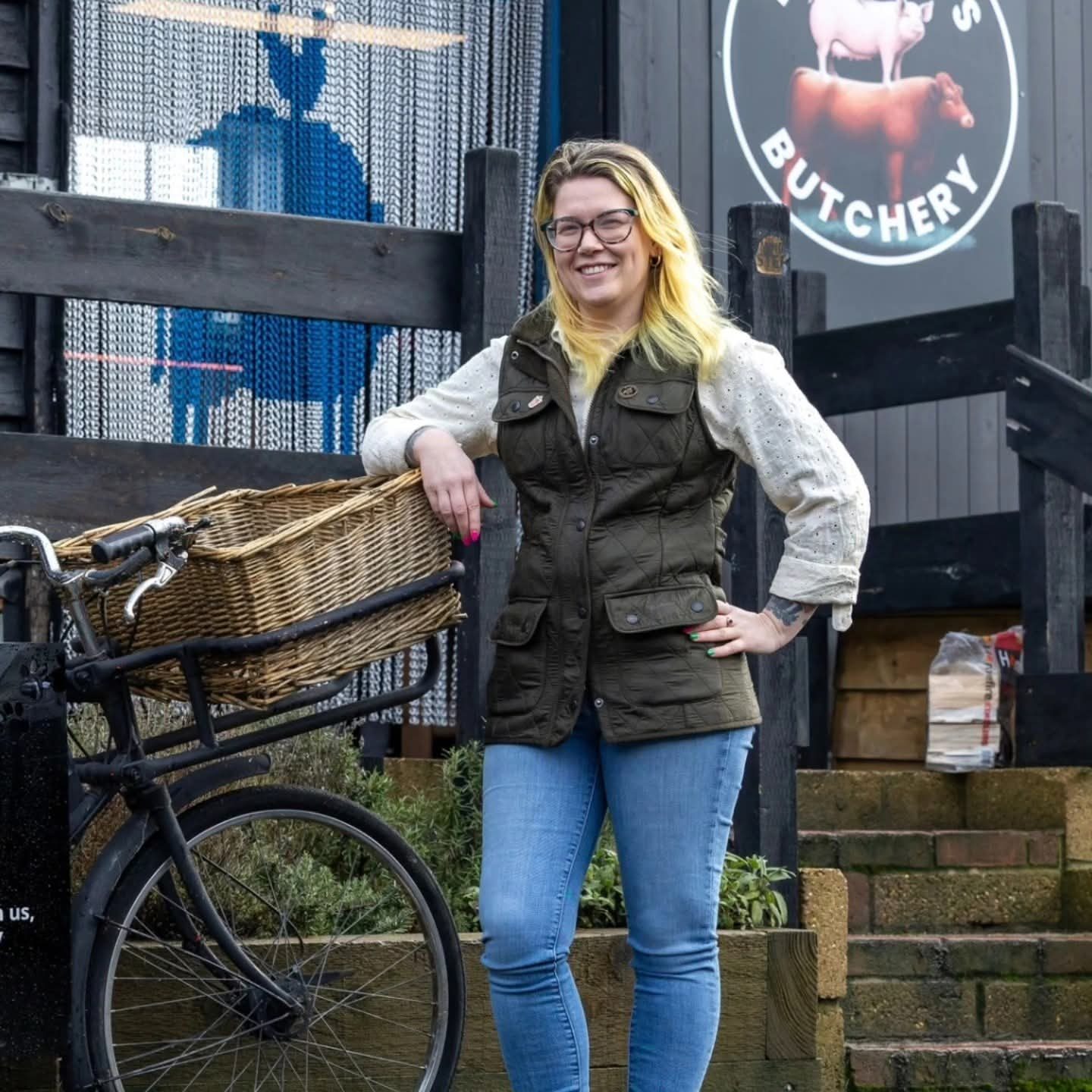
Amy Nicholas
Since taking over Morgan’s Butchery in 2023, Amy has transformed the organisation into an inclusive, community-led business. Her passion for innovation, accessibility, and business growth has created an award-winning independent butcher that champions British farming, local producers, and inclusive retail. Amy consistently gives her time to educate others, encouraging independent businesses to prioritise inclusion. Recognised internationally with a United Nations award, she continues to lead with integrity and uses kindness to drive meaningful change in traditional retail.
“Amy embodies kind leadership through empathy, authenticity and a genuine commitment to others. Rather than treating inclusion as an afterthought, Amy has built it into the foundation of her business, ensuring that customers of all abilities can shop with dignity and independence. Beyond Morgan’s Butchery, Amy openly shares her journey and encourages other independent businesses to prioritise accessibility and inclusion. This has helped shift perspectives within a traditionally conservative sector.”
– Gemma Pierson, Nursery Assistant, Cotton Tails Nursery