
Our Listees 2025
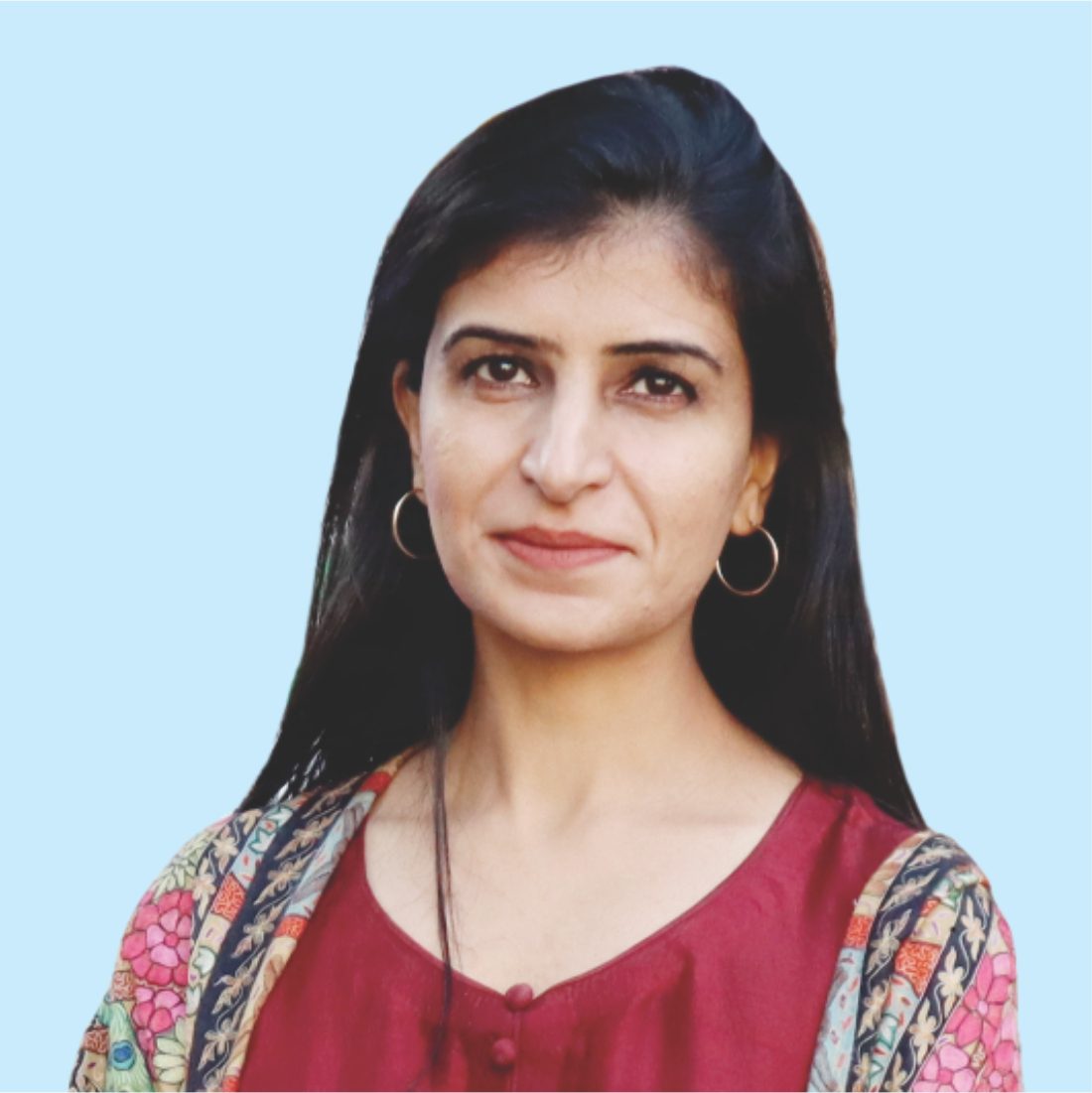
Zile Huma
Zile has spent more than a decade serving the Government of Pakistan as a civil servant, fighting climate change, protecting human rights, strengthening democracy, and improving higher education. Her current post is Deputy Secretary at Governor House in Lahore. A staunch advocate of inclusivity and equality, she launched a voter education campaign targeting marginalised groups such as transgender persons, minorities, and persons with special needs to ensure their participation in the democratic process. She has written 100 articles on climate change to raise public awareness and established an endowment fund to support girls’ education.
“Zile leads with empathy, inclusivity, and a deep commitment, fostering diversity and harmony within the organisation, society, and humanity at large. Her initiatives to empower vulnerable groups and promote religious tolerance have cultivated a culture of trust, love, and respect. A thoughtful listener and a strong advocate for open communication, she inspires her team and enhances productivity. Her ability to tackle complex challenges like climate change with innovative solutions, while taking full responsibility for her decisions, reflects her boldness, integrity, uprightness, and self-confidence. Her leadership – based on the principles of honesty, compassion, and strategic vision – is admired by her colleagues.”
– Farina Mughal, Deputy Director, Ministry of Information and Broadcasting, Pakistan
Going beyond the close working environment, public policies should integrate and address the challenges of vulnerable groups and underprivileged communities at the grassroots level for better service delivery. Traits like integrity, equality, and transparency in public offices can promote confidence and trust among citizens.
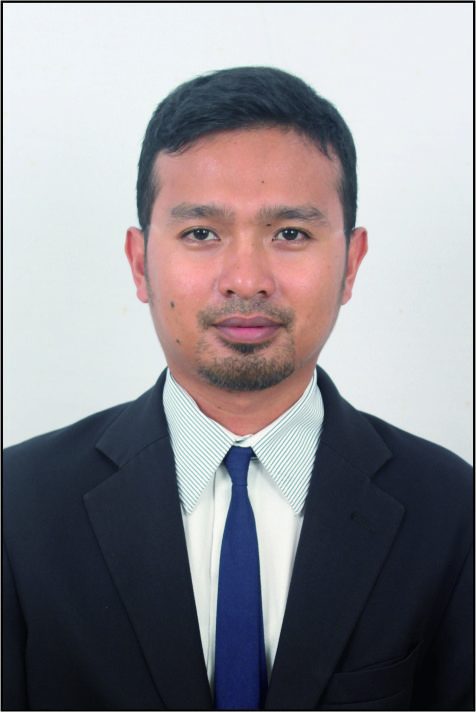
Zainal Abidin Suarja
Zainal is the Director of Natural Aceh, an Indonesian NGO focused on disaster response and inclusive development. Under his leadership, the organisation supported 811 women tsunami survivors through economic recovery programmes, including skills development, mentorship, and access to markets. He also spearheaded inclusive disaster preparedness for 1,034 persons with disabilities, shifting them from aid recipients to empowered community leaders. Fostering a team culture built on empathy, participation, and dignity, Zainal has strengthened Natural Aceh’s long-term impact, built trust with communities and partners, and proven that humanitarian leadership can be both compassionate and effective.
“Zainal exemplifies kindness in leadership through his unwavering commitment to dignity, empathy, and inclusion. As Director of Natural Aceh, his approach has always centred on people, especially those often left behind. He listens deeply, avoids top-down directives, and consistently models humility and respect, even in high-stress humanitarian settings. One defining attribute of Zainal’s leadership is his belief in empowerment over aid. Rather than simply delivering services, he co-creates solutions with communities.”
– T. Putri Melza Chamela, Program Manager, Umma Muda Indonesia
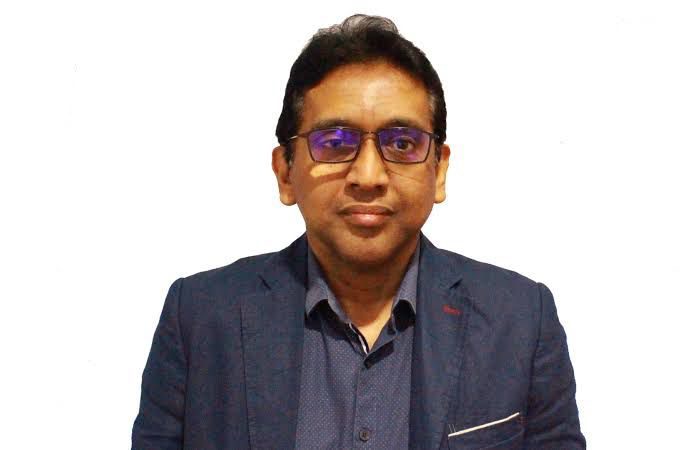
T. Thambyrajah
A champion of inclusive leadership, Thambyrajah is known for his transformative work in education and community development. As Principal of the World Skill Center in Odisha, India, he drives innovation in technical education. In Singapore, he played a key role in reforming community engagement through the Singapore Indian Development Association, pioneering the Door Knocking Exercise and strengthening volunteer management. A Board Member of TomoWork, he supports employment opportunities for persons with disabilities. Thambyrajah is the first Singaporean to receive the prestigious Hän Honour from Finland for promoting kindness and collaboration.
“Mr Thambyrajah’s leadership is deeply rooted in empathy and inclusivity. Overcoming personal challenges with dyslexia, he has become a vocal advocate for neurodiversity, implementing supportive measures for differently-abled individuals in educational settings. His initiatives at the World Skill Center focus on holistic development, ensuring that every student, regardless of background, has access to quality education and opportunities. His approach fosters a nurturing environment where kindness is not just encouraged but institutionalised, leading to a culture of mutual respect and continuous growth.”
– Rina Neoh, Managing Partner, Ficus Group Capital
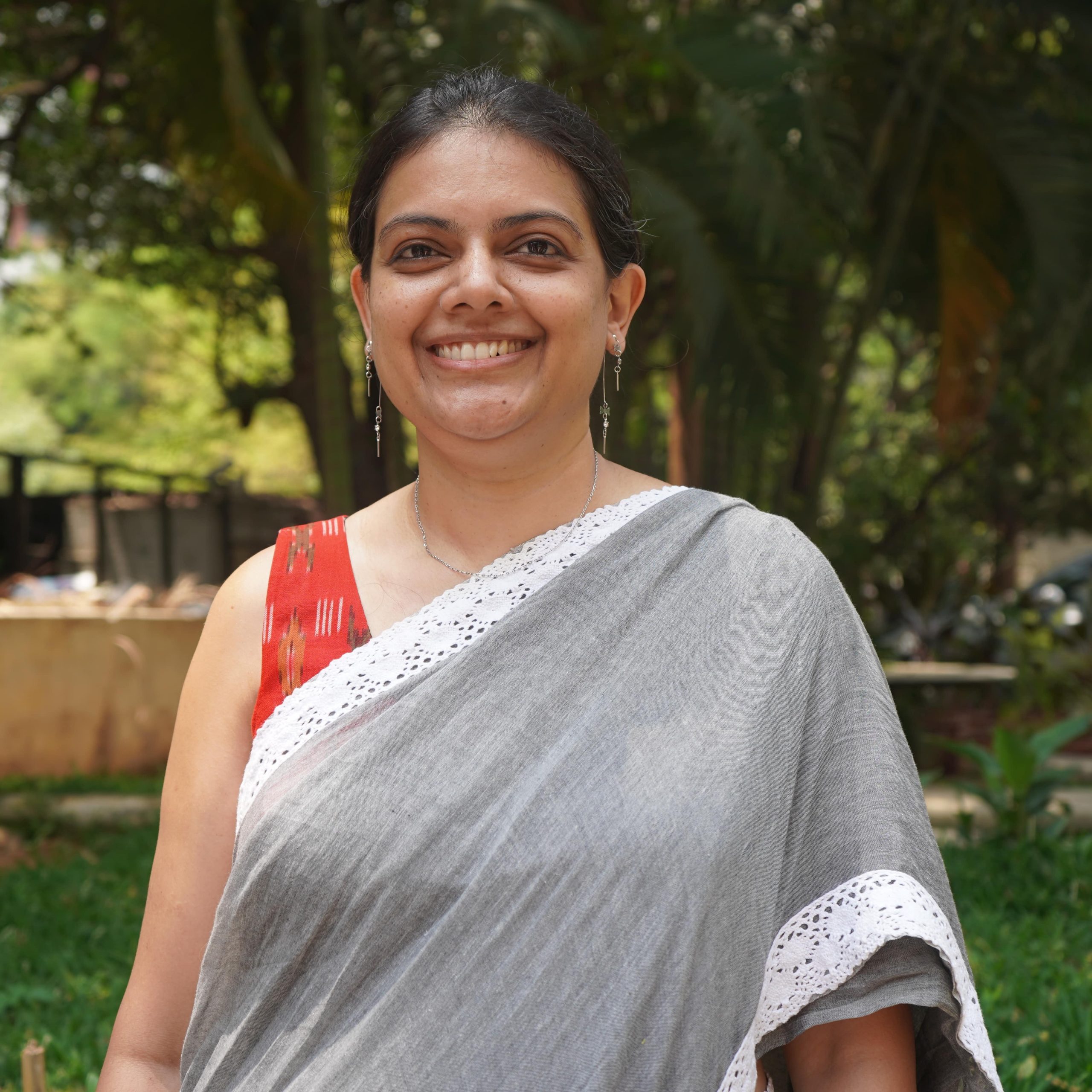
Suchetha Bhat
As CEO of Dream a Dream, Suchetha empowers children from vulnerable backgrounds to thrive. Under her leadership, the organisation has grown from working with 10,000 young people to supporting over 2.2 million children. Her pioneering framework for culture-building and social impact has firmly positioned Dream a Dream as a thought-leader in fostering life skills for marginalised children in India. A former corporate leader, Suchetha brings courage, deep reflection, and systemic vision to creating environments where youth from adverse circumstances can define success on their own terms and grow into confident, resilient individuals.
“Suchetha’s leadership is a revolution anchored in kindness, accountability, and equity. She envisioned and led the creation of Dream a Dream’s People Philosophy, a formal policy document that has shaped the organisation’s culture since 2012. She believes the organisation has to invest in its own transformation before we expect to change the world around us.”
– Mahi Titus, Associate Director – Partnerships, Dream a Dream

Stephanie Dickson
Stephanie, the exited founder of Green Is The New Black and The Conscious Festival, has created platforms that have helped bring sustainability into the mainstream across Asia. A recognised voice in conscious leadership, she has spent over a decade designing high-impact events, experiences, and strategies that centre people and the planet. She launched The Wedge Asia to help businesses design high-impact, future-fit experiences, events, and strategies. Her mission is to advance consciousness and climate action by changing from the inside out, reprogramming the way we live, lead, and do business.
“Stephanie listens actively, supports generously, and leads with transparency. She believes leadership isn’t about having all the answers, but asking better questions and creating space for others to find their voice. One of her most defining qualities is her ability to create belonging. Whether building company culture or hosting large-scale festivals, she designs experiences where people feel safe to show up fully, share ideas, and challenge the norm. Her ‘inside-out’ philosophy means she prioritises inner growth just as much as external impact, encouraging her team, event attendees, and collaborators to align their personal purpose with the mission at hand.”
– Alya Annabi, Managing Director, GreenPush
Build systems that reflect those values: create psychological safety, normalise feedback, and prioritise wellbeing without guilt. Creating a space where the team knows they are supported, and can reach out for help if they need it, and the team and leaders will have their back. Kindness also means accountability – calling people in with compassion, not letting poor behaviour slide in the name of “being nice.”
One simple shift that works: start meetings with a human check-in. It grounds the room and reminds everyone that we’re more than our roles.
Ultimately, kindness builds trust, fuels creativity, and creates the kind of culture where people want to stay and grow.
And most importantly we have to live it, not just say it. Culture is shaped by what we consistently do, not just what we say we value.
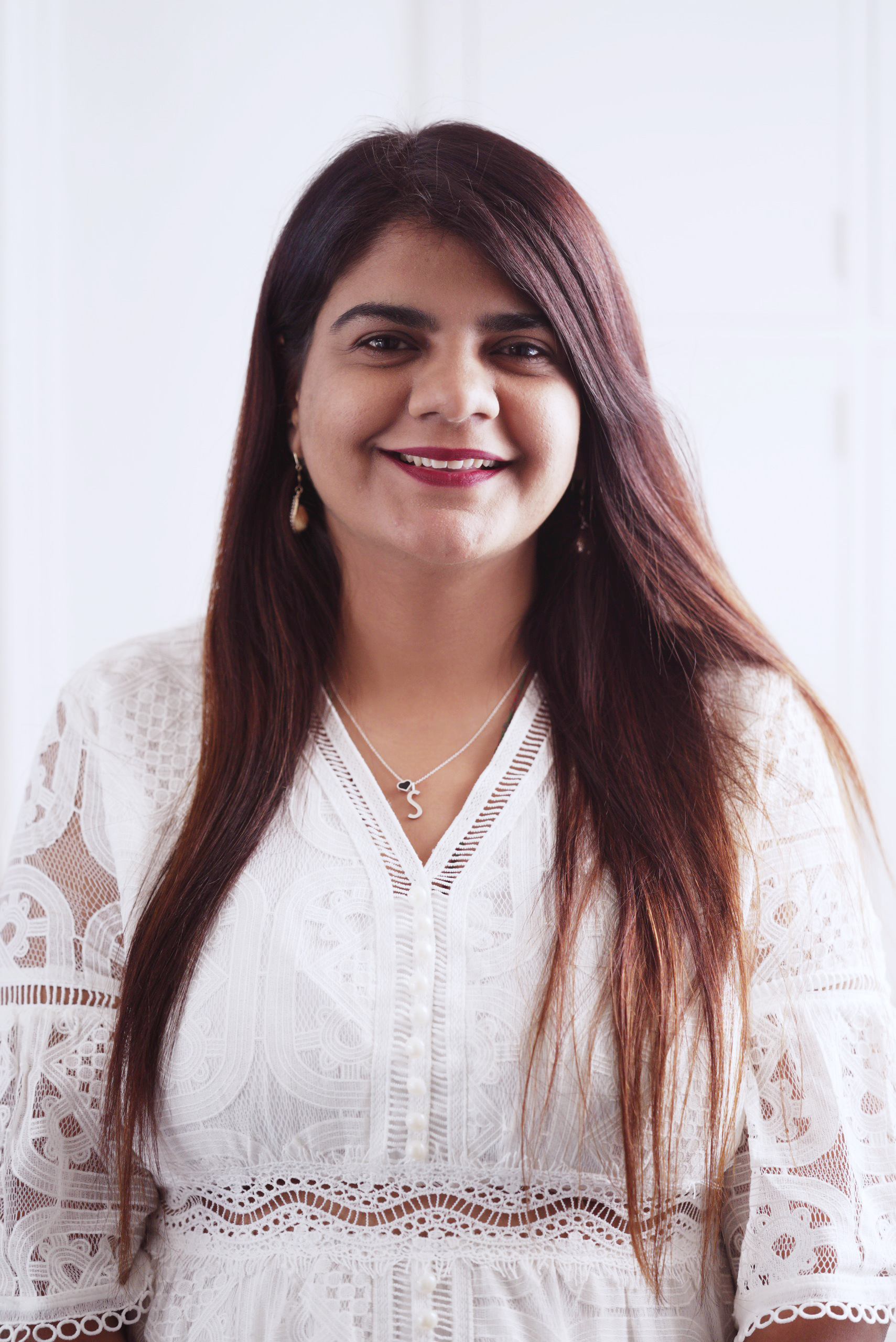
Sonal Dhanani
Sonal is a gender justice advocate and founder of Parindey, a social enterprise rooted in collective healing, feminist leadership, and mental health advocacy. After losing her loved one in a terrorist attack, she transformed personal grief into public service, creating trauma-informed programmes across Pakistan that counter violent extremism and intolerance using arts and culture as tools for peacebuilding. She has empowered thousands of youth, women, and educators to cultivate resilience and change. Her leadership has shaped national conversations on gender, peace, and climate justice proving that kindness can transform not just communities but entire systems.
“Sonal’s leadership style centres empathy, deep listening, and shared power. She believes that no transformation is sustainable unless it is co-created, especially by those most affected. This approach has earned her the trust of diverse communities, from young university students to disaster-impacted women in rural Pakistan. Her team describes her as someone who makes them feel seen, who creates space for disagreement, joy, failure, and growth without fear. Under her leadership, initiatives like Guftugu – Pakistan’s first university-based mental health advocacy programme – have equipped hundreds of students with tools to manage psychological distress and dismantle stigma.”
– Syed Wajid Ali, Program Manager, EIDU
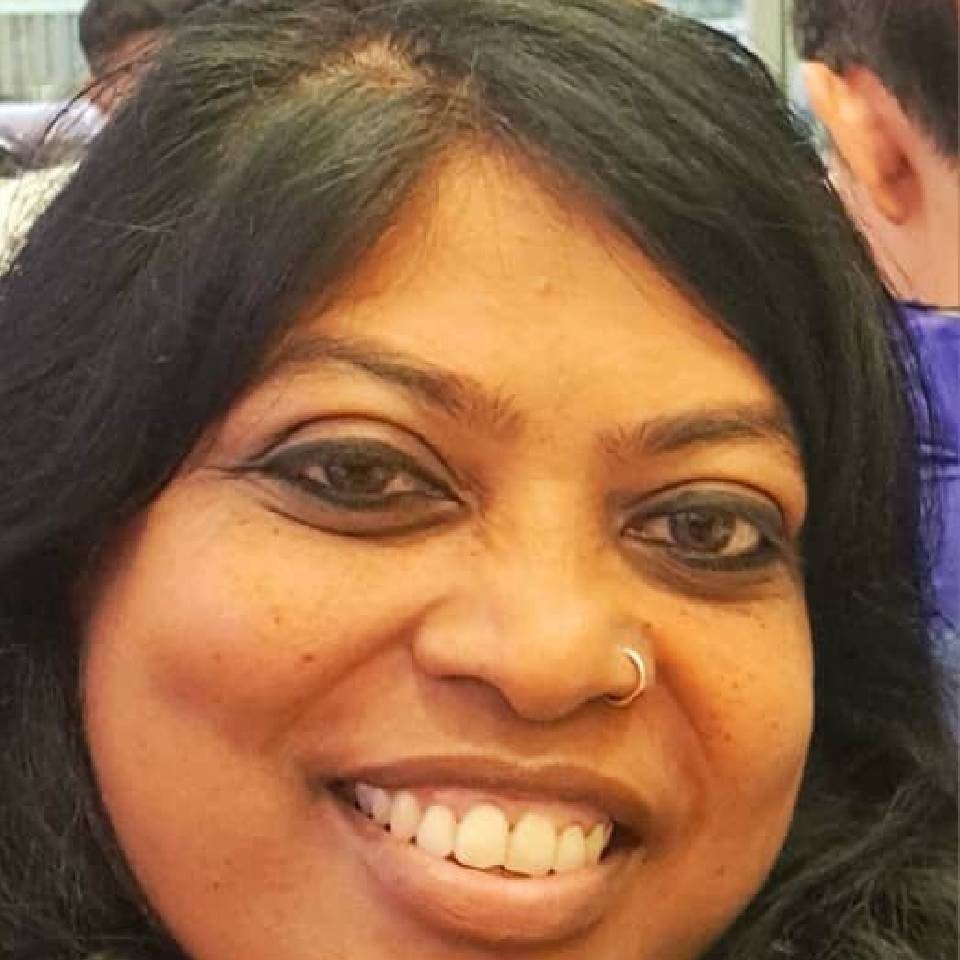
Shyam Priah
Shyam is the founder of Yellow House KL, a Malaysian social enterprise rooted in community, compassion, and innovation. With over 30 years of grassroots experience, she has led transformative initiatives in voluntourism, regenerative urban farming, and inclusive upskilling for refugees and marginalised groups. Her leadership centres on co-creation, ensuring that those often left behind are empowered to lead solutions. Under her guidance, Yellow House KL has evolved into a thriving hub of social action – where empathy meets structure, and where acts of kindness are translated into long-term, systemic change.
“As the founder of Yellow House KL, Shyam built one of Malaysia’s most impactful grassroots organisations by placing empathy at the heart of every decision. Her leadership is especially evident in the creation of Unseen Tours KL, a social enterprise that trains former homeless individuals to become paid city tour guides. Instead of offering handouts, Shyam saw potential and dignity in their stories. She co-designed the initiative with them, empowering them to reclaim public space and identity. It was not only a successful livelihood programme – t also shifted societal perceptions about homelessness.”
– Thaamarai Sunthi, Committee Member, Yellow House KL
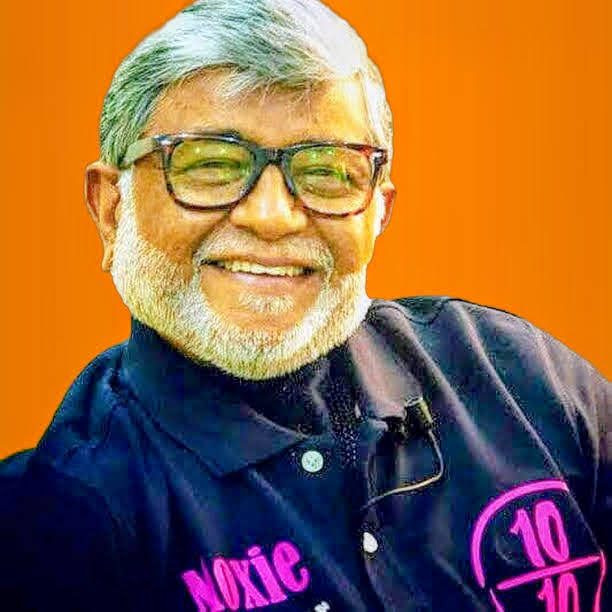
Shrenik Shah
Diagnosed with laryngeal cancer in 1997, Shrenik underwent life-altering treatment that permanently took away his natural voice. He has since harnessed determination, faith, and courage to inspire others as a global orator. Using an electrolarynx, he has given 9,000 hours of speeches, including five TEDx talks, reaching over 100,000 individuals with inspirational messages of hope and resilience. His transformational storytelling has resulted in a Guinness World Record and Times Square feature, amongst several other accolades. He is also a coach and mentor, supporting others through life’s challenges.
“Shrenik embodies kindness holistically in all his gestures at work. He makes all staff feel valued and appreciates the smallest effort coming from their end. He devotes time and sincere efforts to recognise their strengths and apprises them of it to become better versions of themselves. For every project we plan, he looks at the greater good, using a sustainable perspective rather than only a mechanical financial approach. He is the epitome of resilience, optimism, kindness, chivalry, progressive communication, eagle vision, and positive mindset. His presence uplifts everyone in the office.”
– Deepika Dahima, Counselling Psychologist, Yellow Turquoise
Lending your ears wholeheartedly to your colleagues without discrimination, giving them due opportunities to express themselves, considering their insightful thoughts and ideas, and putting them into action is a remarkable and kind approach as a thoughtful leader.
It is the most desired act of candid handholding, wherein your colleagues and people living around you reach out to you without hesitation or anticipating rejection beforehand.

Sheetal Agarwal
Sheetal is the founder of Clownselors Foundation, a ground-breaking nonprofit bringing therapeutic clowning to hospitals across India. A two-time TEDx speaker, she has pioneered the training of medical staff to integrate emotional wellbeing into care, bridging art and therapy. Her work has reached over 800,000 lives and inspired medical studies showing that clowning reduces anesthesia use and speeds recovery. She is the recipient of multiple awards including the Karamveer award for her transformative impact on mental health through creativity and connection.
“With an innate drive to help and heal, Sheetal left a secure teaching position to pursue something unconventional – donning a red nose and clown costume to bring laughter and relief to patients in hospitals. At a time when medical clowning was barely recognised in India, Sheetal followed her heart, believing deeply that when people are unwell, it is not just their bodies that suffer, but also their hearts and minds. This act of personal courage has now evolved into a sustained, nine-year-long movement. Sheetal has tirelessly worked to make Clownselors a sustainable and nurturing space not only for herself, but also for the growing team of volunteers who find purpose and belonging.”
– Sankalp Rawal, Screenwriter & Director, Myths and Mountains

Sci. Dpl. Glenn S. Banaguas
Glenn is a world-renowned science diplomat and award-winning scientist whose work spans climate change, disaster resilience, and environmental governance. He leads transformative efforts through Climate Smart Philippines, ECCRI’s flagship programme, blending science, technology, and community empowerment to advance peace, resilience, and sustainability. Glenn advises global organisations and mentors leaders in science diplomacy. His multidisciplinary expertise, shaped by Harvard, Yale, NASA, and other leading institutions, drives inclusive, ethical solutions across sectors.
“Glenn leads with kindness, integrity, and a deep sense of service, transforming communities through science-driven solutions. His leadership in Climate Smart Philippines fosters collaboration, uniting experts and marginalised voices to co-create resilience strategies. Glenn’s ability to listen, empower, and uplift has built a culture of trust and inclusivity, where innovation thrives and lives are protected. His approach is not just ethical – it’s effective, ensuring sustainability efforts are both impactful and scalable. By prioritising people over processes, Glenn has created a movement where kindness is not just a principle but a driving force for lasting change.”
– Rogelio Garcia, Attorney, The Outstanding Filipino (TOFIL) Foundation
Kindness isn’t an initiative; it’s a leadership ethic that infuses daily interactions. Celebrate compassionate actions publicly, integrate them into team narratives, and encourage collaboration rooted in mutual care. Build diverse, equitable spaces where people feel seen, heard, and empowered. Offer wellness support, promote emotional intelligence, and align organisational purpose with community impact. When kindness becomes the operating principle, not just a policy, it transforms workplaces into ecosystems of trust, resilience, and shared humanity.
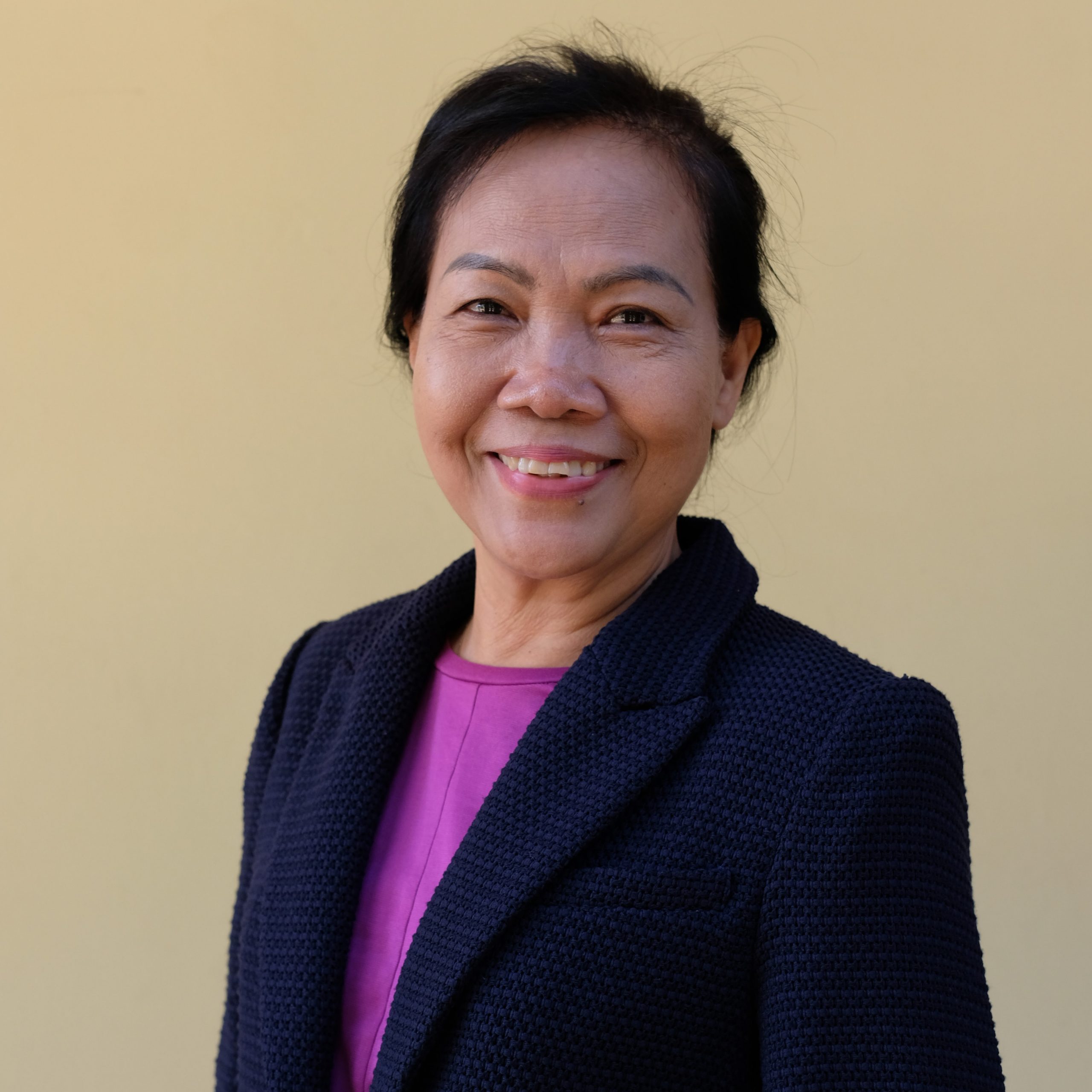
Samneang Moul
As Harpswell’s Country Director, Samneang empowers young women with essential leadership skills, fostering their holistic wellbeing and success. Her contributions include fostering vital relationships with government ministries and NGOs, guiding civic engagement projects, and supporting the Alumnae Program. As a public speaker, she has participated in high-profile events such as a Roundtable Discussion with Michelle Obama at the 2019 Obama Foundation Summit. Her personal journey through Cambodia’s civil war, striving for education against all odds, fuels her strength and motivation to empower the next generation of women leaders.
“Samneang embodies kindness in leadership through her empathy and compassion. Despite her quiet demeanor, she understands her team members’ feelings, acknowledging their challenges and celebrating their successes. She treats everyone with dignity, valuing contributions regardless of position or background. By actively listening to ideas and concerns, she fosters an inclusive environment. Her humility allows her to elevate her team, recognising their expertise over her own. Each year, Harpswell serves hundreds of young girls, many of whom are new to city life. Samneang ensures they receive the support necessary to transition smoothly and pursue their education and dreams.”
– Sotheavy AT, Founder, Think Plastic
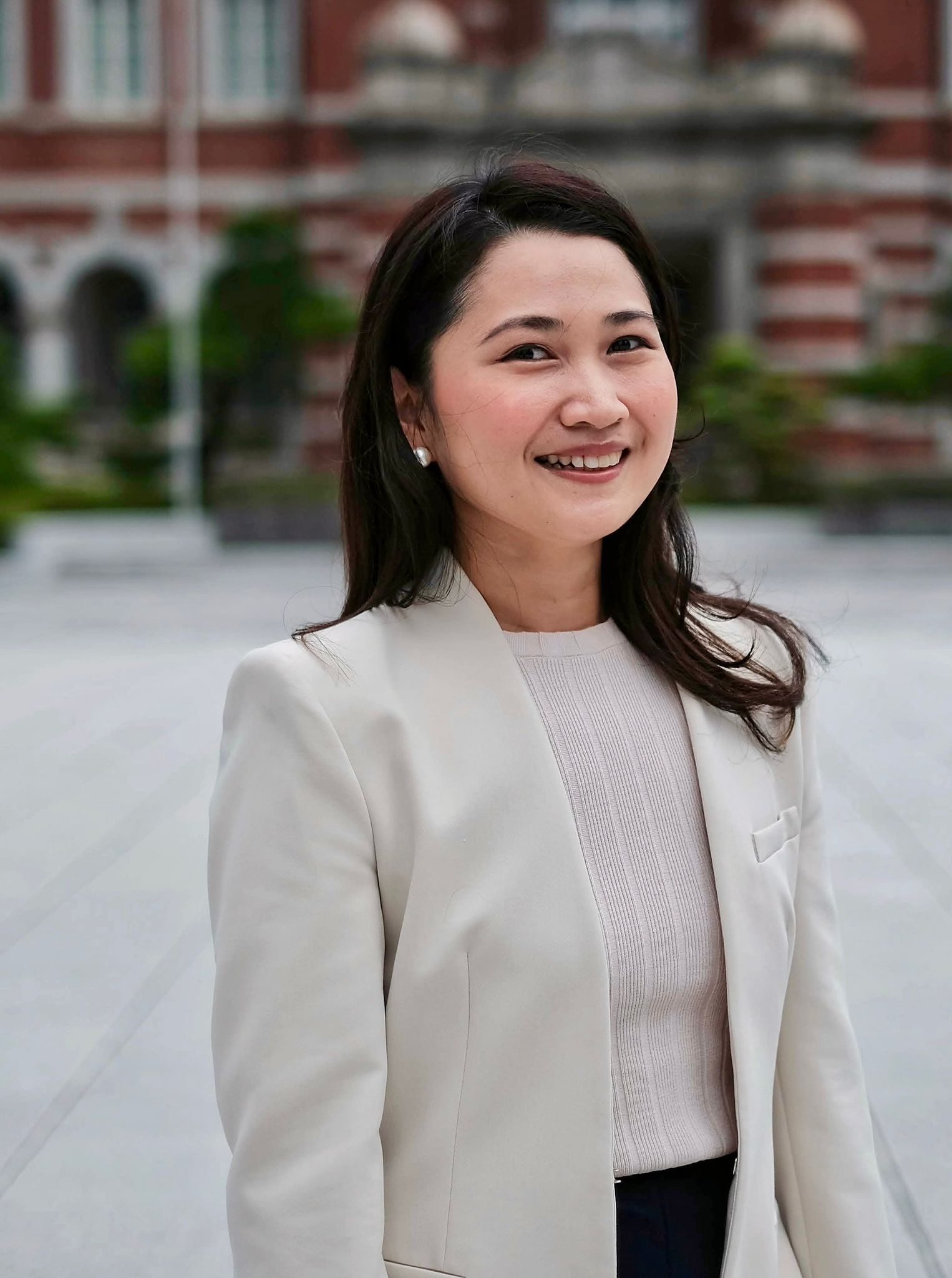
Rose Angelique Dizon
Currently serving as Corporate Counsel at Renesas Electronics Corporation, Rose specialises in cross-border M&A, corporate law, and technology transactions. As an active leader in the legal community, she serves as a Member of the Executive Board of the Japan In-house Counsel Network. She is a compassionate leader who recognizes that strength lies in empathy and that kindness is the foundation of effective leadership.
“Rose embodies the essence of kindness and leadership through a key attribute: empathy. This remarkable quality enables her to forge genuine connections with others, allowing her to truly understand their challenges and aspirations. Her steadfast commitment to uplifting those around her is not just inspiring; it transforms lives. In a world that prioritizes results over relationships, Rose’s dedication to kindness serves as a powerful reminder of the significance and strength of empathetic leadership. She not only leads with her heart but also empowers others to do the same, creating an enduring legacy of compassion and connection”
– Mikaela Luisa Teves, Executive Director, SPARK Philippines
Across every institution I have worked in, the people I remain connected with are those who showed genuine kindness: mentors who guided me, colleagues who stepped up during tough times, and those who were simply present when it mattered most. Kindness is often recompensed by paying it forward. Set the tone for your organisation by modelling kindness. Create spaces where people feel safe to connect, collaborate, and share both professional and personal ideas. Finally, make kindness a daily practice. It may not be a KPI, but its impact is profound – on your company, your colleagues, and yourself.
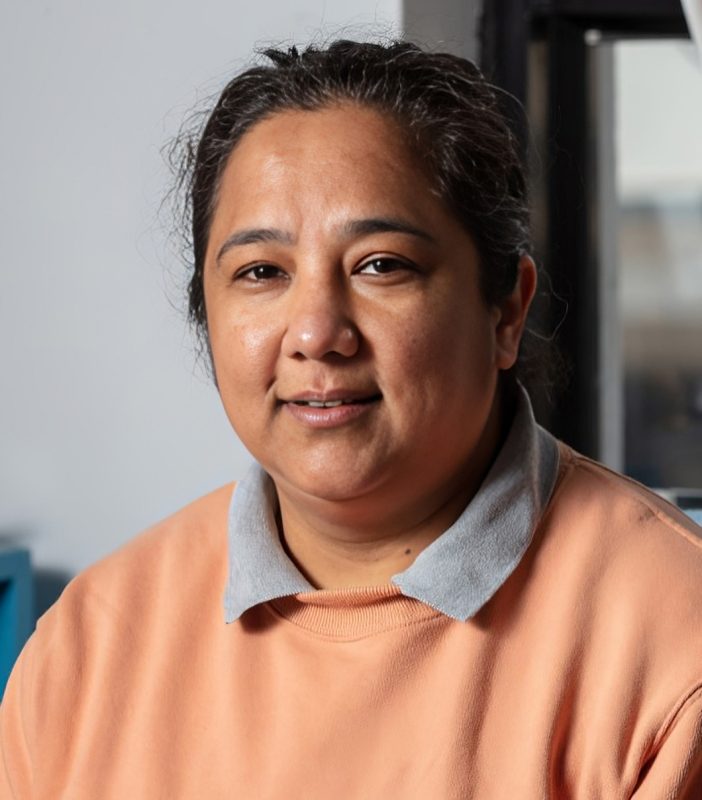
Pushpa Basnet
Pushpa, founder and President of the Early Childhood Development Center, is a visionary child rights advocate who is transforming lives in Nepal by providing a loving home, education, and emotional support to children whose parents are in prison. She also works with juvenile delinquents, reaching more than 1,250 young people, and her prison-based programmes have benefitted over 9,300 inmates and children. Pushpa’s unwavering dedication is breaking cycles of poverty and incarceration, proving that compassion, vision, and action can give countless children a brighter future.
“Where others see shame, Pushpa sees potential, treating every child with dignity and hope. Her kindness-centred leadership has reshaped perceptions, inspiring her team to work with empathy and a sense of purpose. By creating nurturing environments through ECDC and Butterfly Home, she’s shown that investing in marginalised children is not charity, but a path to long-term social change. Her approach has not only transformed lives but built a model of care that makes both emotional and practical sense for stronger, more inclusive communities.”
– Manju Bhandari, Field Officer/Head of Office, United Nations High Commissioner for Refugees

Phallideth Phen
A cybersecurity specialist at Cambodia’s Ministry of Post and Telecommunications, Phallideth is challenging gender stereotypes and forging new opportunities for women in STEM. Growing up in a rural area, she often heard that tech careers weren’t for women, but she persevered to become the first in her family to earn a degree, notably in Computer Science. She then secured a British Council Women in STEM scholarship to study for an MSc in Computing in Edinburgh. In addition to her government job, Phallideth actively supports the tech education nonprofit Sisters of Code as a trainer and speaker, demonstrating her commitment to investing in others.
“Even with her many achievements and demanding work schedule, Phallideth always finds time to meet with Sisters of Code students, generously sharing her knowledge and skills. She’s a true inspiration within the Sisters of Code community, showing what female leadership and opportunities look like in Cambodia’s tech sector, which is male-dominated. Her dedication to supporting and encouraging others, along with her strong determination and desire to help her community, really shows her kind and empathetic leadership. She’s an amazing example of connection and commitment, proving that success doesn’t lessen one’s willingness to uplift others.”
– Natalja Rodionova, Director, Sisters of Code
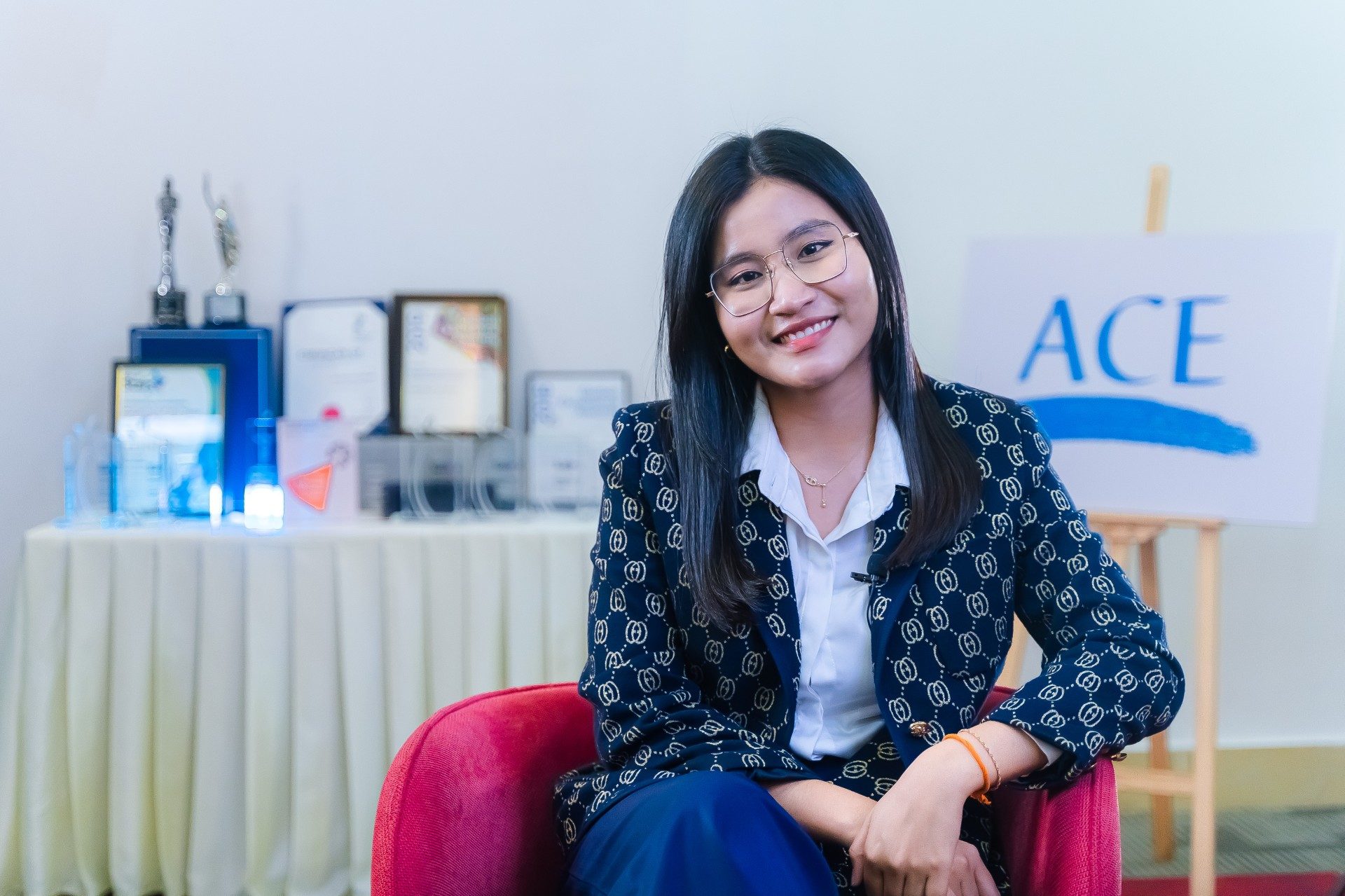
Panhchaneath Sokheng
Neath is a transformative leader in international education, known for her compassion, integrity, and commitment to excellence. From her teaching career to becoming Campus Manager at IDP Education’s Australian Centre for Education, she has mentored hundreds of staff, empowered women in leadership, and uplifted thousands of learners. A recipient of a Manaaki/New Zealand Scholarship, she blends academic rigour with human-centred leadership. Her work, consistently grounded in kindness, equity, and inclusion, spans operations, policy advocacy, and global partnerships.
“Neath leads with empathy, respect, and a deep belief in people’s potential. She creates a psychologically safe/inclusive environment where staff feel empowered to grow, take initiative, and learn from mistakes. Her kind leadership has shaped a culture of trust, collaboration, and continuous improvement across ACE’s largest/flagship campus at Tuol Tom Poung. She mentors emerging leaders, especially women, while maintaining exceptional operational/academic standards. This values-driven culture has resulted in high staff retention, low absenteeism, and consistently strong KPIs. By aligning emotional intelligence with strategic goals, Neath has proven that kindness in leadership drives both human development and sustainable business success.”
– Andrew Millar, Vice Principal, Australian Centre for Education, part of IDP Education
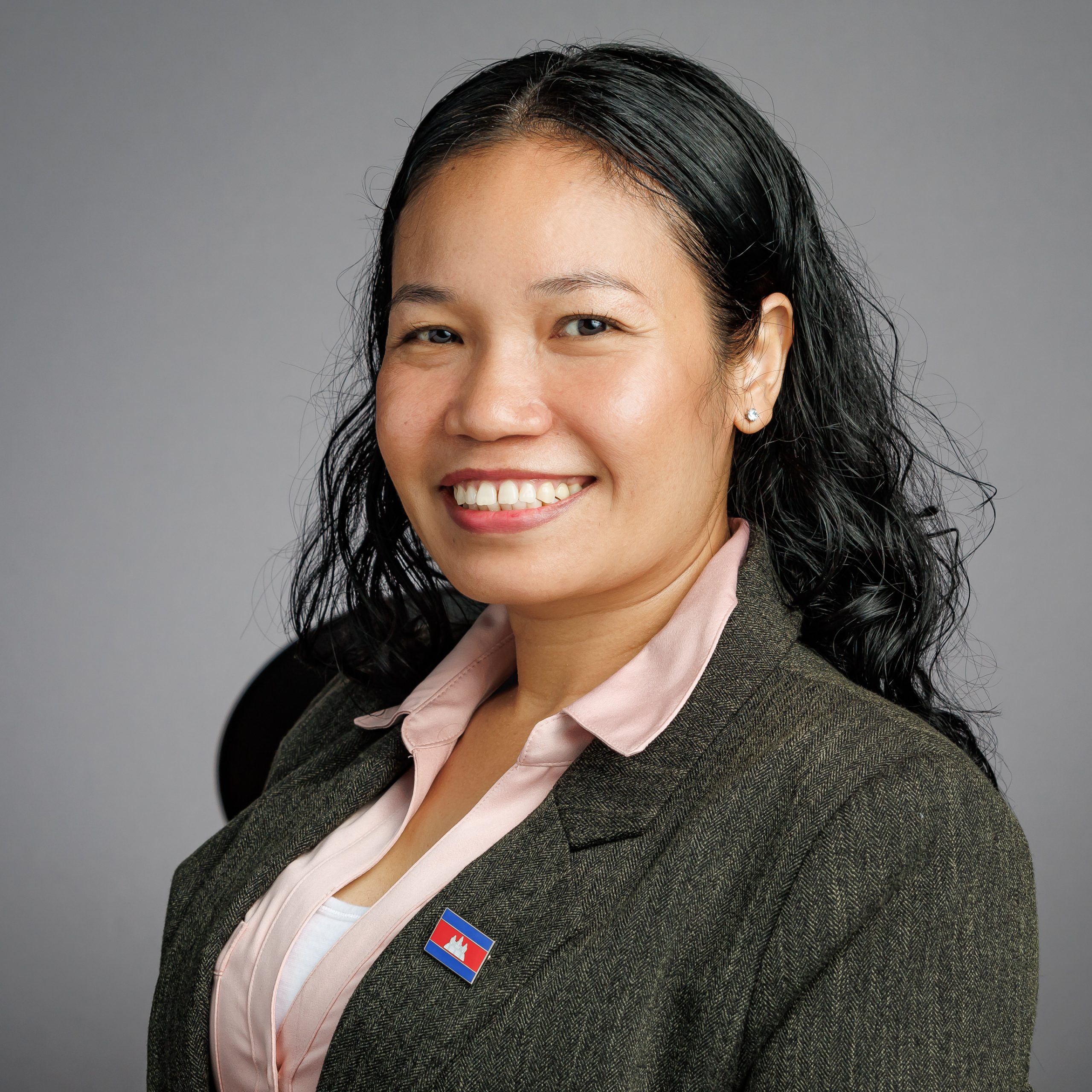
Onn Sokny
Sokny is a passionate advocate for disability inclusion and the CEO of Epic Arts, a nonprofit supporting people with disabilities through the arts, inclusive education, and social enterprise. She advises Cambodia’s Ministry of Culture and Fine Arts and serves on local and international boards focused on disability rights and education. Her work has positively impacted thousands of children, youth, and families, while her collaboration with policymakers and organisations showcases her dedication to creating systemic change. As a woman with disabilities, her lived experience shapes her commitment to promoting greater inclusion in society.
“Sokny embodies kindness in her leadership by transforming personal adversities into strengths that benefit others. Contracting polio at two years old, Sokny experienced firsthand the challenges of being seen as a burden and marginalised. This profound experience has made her deeply empathetic and committed to fostering inclusive environments. Her resilience and courage inspire her to advocate for accessibility and equality, making her a paragon of how experiential understanding and compassion enhance team culture and business. Sokny’s kind leadership not only uplifts those around her but also aligns perfectly with Epic Arts’ mission of driving impactful and sustainable outcomes.”
– Ben Valentine, Director of Marketing, World Wildlife Fund – Thailand
Lead with gentle curiosity. When tensions arise, pause to understand the deeper story behind someone’s behaviour. Kindness isn’t about avoiding hard truths; it’s about approaching them with grace and believing in each person’s worth.
Above all, kindness starts with how we treat ourselves. As a leader with a lived experience of disability, I’ve learned that kindness is a practice of seeing potential where others see limitation, leading with compassion so others feel safe to shine.
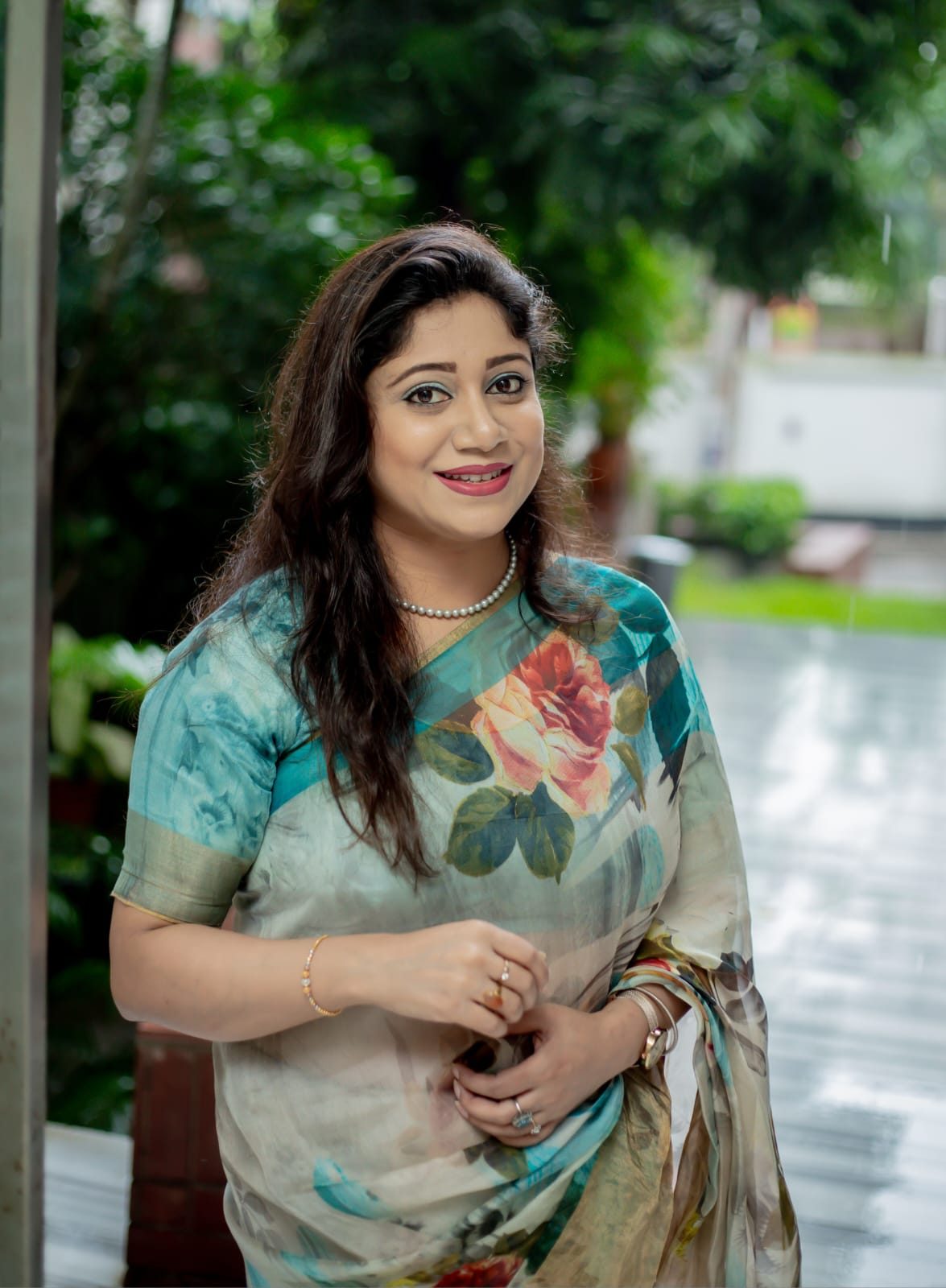
Nusrat Akter
Nusrat is a passionate leader in social development, democracy, and human rights. She co-founded Hashimukh Somaj Kallayan Songstha, impacting over 250,000 underserved lives in Bangladesh through free education, nutritious meals, health and hygiene support, IT and craft training, and emergency relief. She launched Empower Her to equip marginalised women with digital and financial literacy. In climate-affected areas like Dacope in Khulna, Bangladesh, she promotes menstrual health and sustainable livelihoods. A Policy Action Awardee, Nusrat advances inclusive education and youth-led civic engagement for social justice across the country.
“Nusrat’s hands-on approach – from street teaching to founding Hashimukh – prioritises dignity, creating inclusive education and women’s empowerment programmes. She cultivates a culture of collective purpose where staff and beneficiaries become changemakers together. Strategically, her kindness delivers scalable impact: education/skills programmes reduce poverty cycles, while eco-friendly crafts merge ethics with income. Corporate partnerships validate her model’s viability. Nusrat proves compassionate leadership isn’t just moral – it’s smart business, driving sustainable change.”
– Esrat Karim, Founder & Director, Amal Foundation
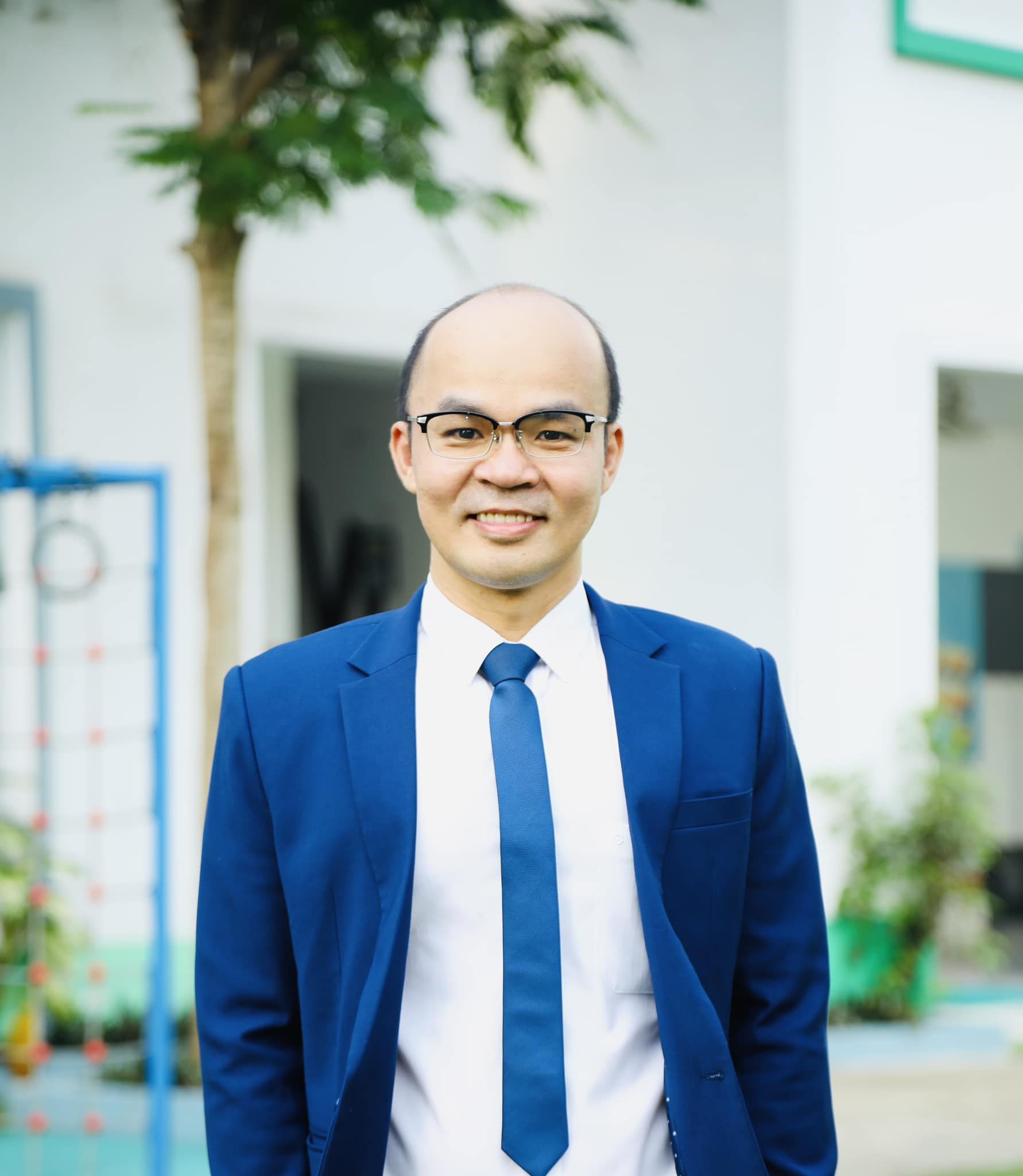
Nam Ngo Thanh
Nam is Vice Principal of B.School in Vietnam and a leading voice in education innovation across the Asia-Pacific region. He has pioneered initiatives such as the Five Safe Fingers Project, promoting child safety in over 30 countries, and Kindness Everyday, nurturing empathy in schools. As the founder of the Vietnam Innovative Educators Foundation, with over 150,000 members, he empowers teachers to integrate technology and compassion in classrooms. Under his leadership, schools report high student happiness and teacher retention. Globally recognised for his impact, Nam exemplifies how kindness-driven leadership transforms educational systems and the lives within them.
“Mr Nam’s leadership style is grounded in authenticity and humanity, always prioritising people over process. Rather than managing through hierarchy, he leads through connection – fostering a culture of openness, inclusion, and psychological safety. At B.School, Mr Nam introduced emotional wellbeing initiatives that were initially met with skepticism. Instead of enforcing change, he invited feedback, listened to staff concerns, and co-designed new approaches with them. This act of shared leadership resulted in a 95% staff satisfaction rate and created a school culture where kindness, not compliance, drives performance.”
– Nguyen Huy, Teacher, BCONS
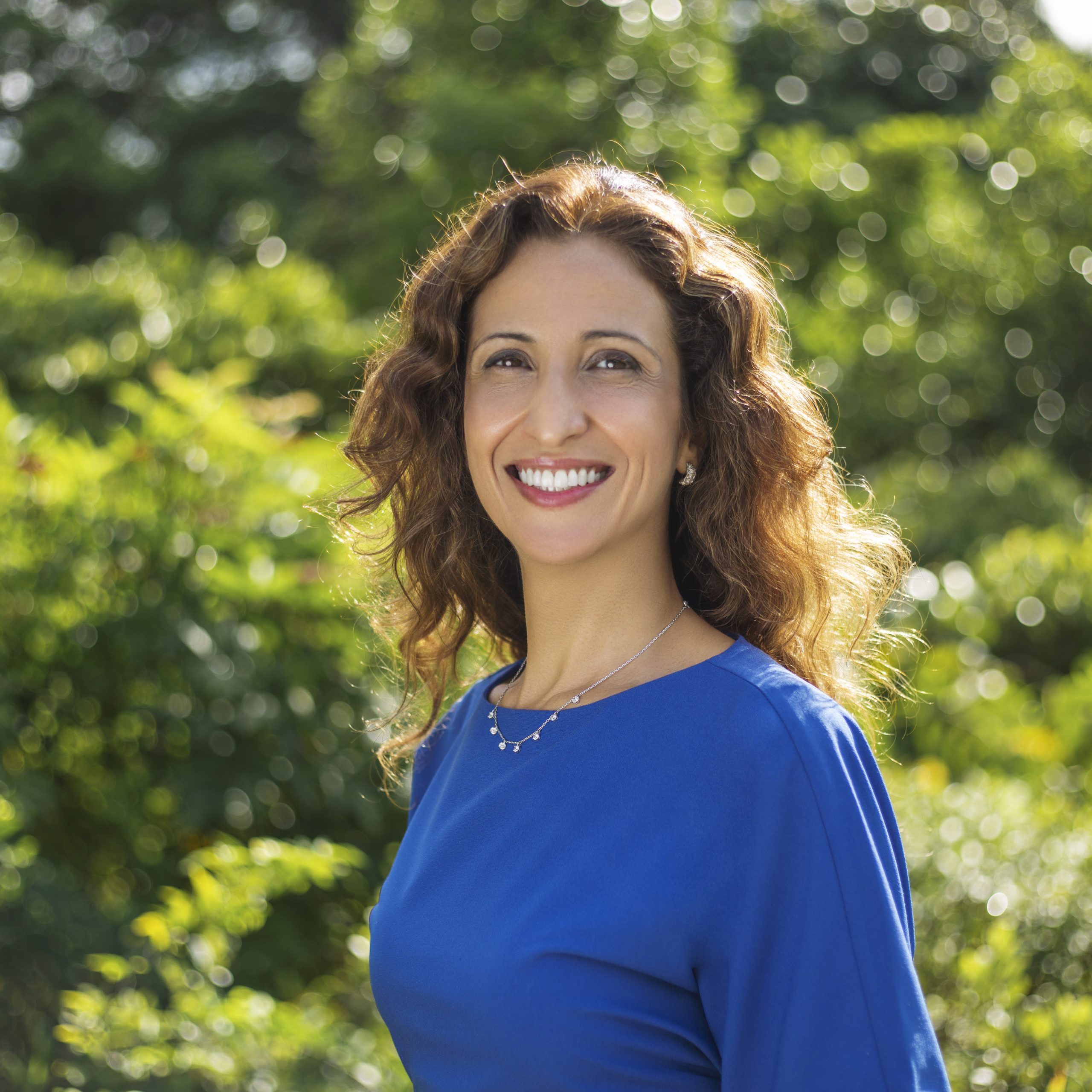
Mouna Aouri
Mouna is a civil engineer turned ecosystem builder, social entrepreneur, and impact investor. As the founder of Woomentum, she has empowered thousands of women entrepreneurs across Asia by harnessing technology to unlock access to capital, financial literacy, and community. She is a conscious leader within YPO, holding space for growth, inclusion, and courageous conversations. With a deep commitment to service, she architects Moonshot programmes that weave profit with purpose. A triathlete, drummer, and mother of two, she models whole-person leadership while championing dignity and agency for women in business.
“Mouna leads with empathetic, empowering kindness. She listens deeply, spots untapped potential, and then invests her own time coaching female founders pro-bono to convert self-doubt into both capital raised and confidence gained. Her generosity is consistent, extending to employees, partners, and even competitors – and she applies the same care when stakes are high: rallying Oliver Wyman consultants to donate skills to social entrepreneurs or turning tense investor rooms into collaborative allies. By making women feel seen, safe, and capable, she catalyses a ripple of inclusive prosperity across the region.”
– Christine Amour-Levar, Founder, HER Planet Earth; Co-Founder, Women in Emission & Investors for Climate
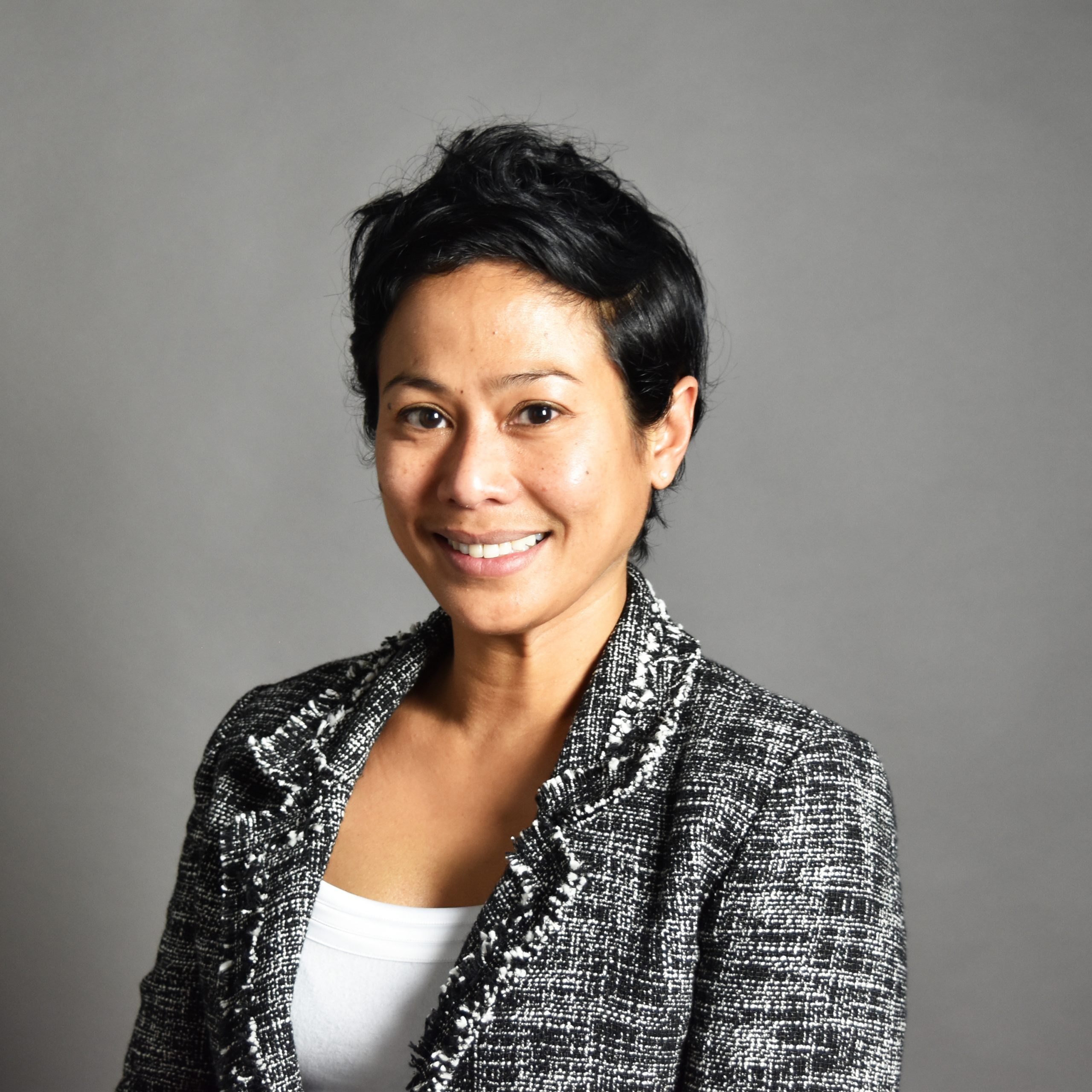
Mazuin Zin
Over two decades, Mazuin has earned an industry reputation as an agency transformation specialist, successfully leading business transformation at premier agencies like Leo Burnett, Mullen Lowe, and Edelman. She is passionate about creating workplace cultures that empower young leaders to hone their managerial and entrepreneurial skills in the real world. As CEO of Edelman Malaysia, she has led the agency to win Campaign’s Malaysia Agency of the Year five years in a row and A+M’s Malaysia Agency of the Year seven years in a row. An astute business leader, she is credited with the agency’s consistent year-on-year performance for both revenue growth and industry reputation.
“Mazuin exemplifies the essence of compassionate leadership. She consistently puts people first, creating an environment where every voice feels heard and valued. Her genuine commitment to building personal relationships rooted in trust and empathy has inspired those around her to lead with the same kindness. She holds four executive roles but always makes time to listen and connect. She is one of the best leaders I have experienced working with in my career journey. She drives performance and nurtures a culture of respect and care.”
– Eva Yasin, Finance Director, Edelman
I’ve always maintained that the “small acts of everyday kindness” shape a culture of care that binds the teams together and sets them on a path of high performance and innovation.
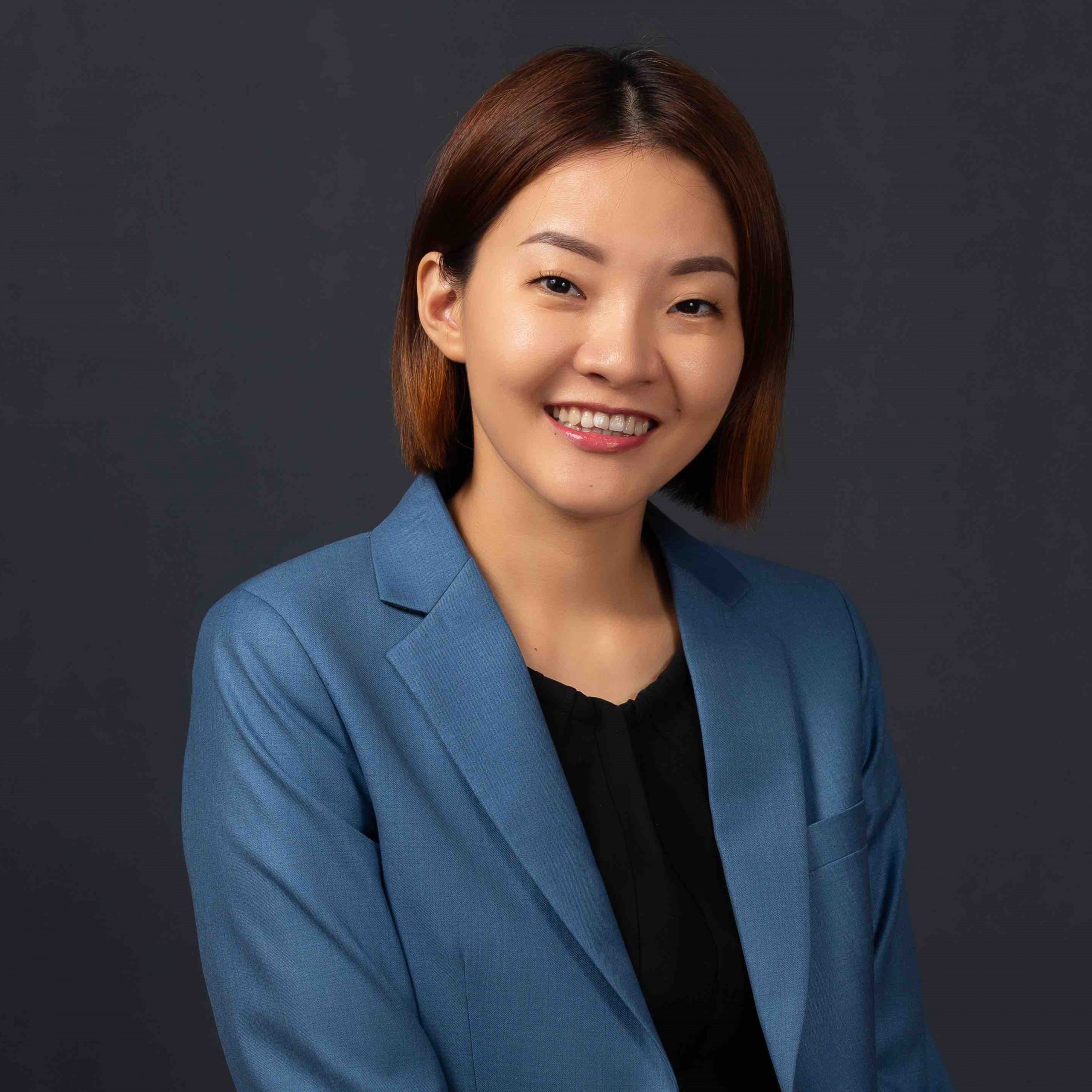
May Mon Aung
May Mon is the co-founder and Managing Director of Lingo Ace Company Ltd, under which she established International House Yangon-Mandalay and the nonprofit organisation SPACE for ALL. Overcoming the challenges of the pandemic and Myanmar’s political situation, she led the transformation of a small two-room language school into an affiliate of the prestigious International House World Organisation. Through her vision and resilience, she has uplifted the lives of staff, teachers, and students by building a network that connects them to international opportunities and support.
“May Mon leads with genuine care for everyone, from cleaners to directors. She ensures staff members’ children receive proper education, their sick family members get proper medical support, and that everyone is treated fairly and equally. This culture of compassion creates a positive working environment where everyone feels respected and valued. With an intent to give back, she founded SPACE for ALL to provide affordable or free education to underserved children in rural areas. Moreover, her growth mindset and concern for others continue to guide the school forward, reaching the global stage despite the many challenges faced in Myanmar.”
– Nai Yi Htoon, Training, Development, and Recruitment Director, International House Yangon-Mandalay
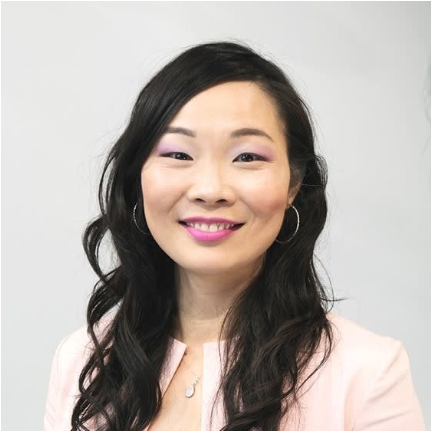
May Lam
With over 25 years’ experience in the payments and financial services sectors across Asia-Pacific, May plays a pivotal role in modernising Australia’s payment infrastructure. As CIO of Australian Payments Plus (AP+), she leads the organisation’s technology strategy, spanning data, cybersecurity, and cloud, and also chairs the Emerging Payments Association Asia advisory board. A champion for inclusive practices, she invests in mentoring emerging leaders, and consistently fosters cross-functional collaboration. May is widely respected across the payments and financial services industry for her generosity, humility, and ability to drive results without compromising values.
“May’s the kind of leader who notices when someone is struggling – even when they haven’t said a word – and quietly makes space for them, whether through offering flexibility, listening without judgment, or simply checking in. Her generosity is unmatched; she mentors across all levels, takes time to explain and empower, and always gives credit to others. One example stands out: during a difficult restructure, May personally contacted every affected team member, ensuring they felt seen, supported, and informed. Rather than delegate the hard conversations, she faced them with grace, balancing empathy with transparency, creating dignity in what could have been a cold process.”
– Lilian Romero, Head of Strategy, Governance and Risk – Technology, Australian Payments Plus
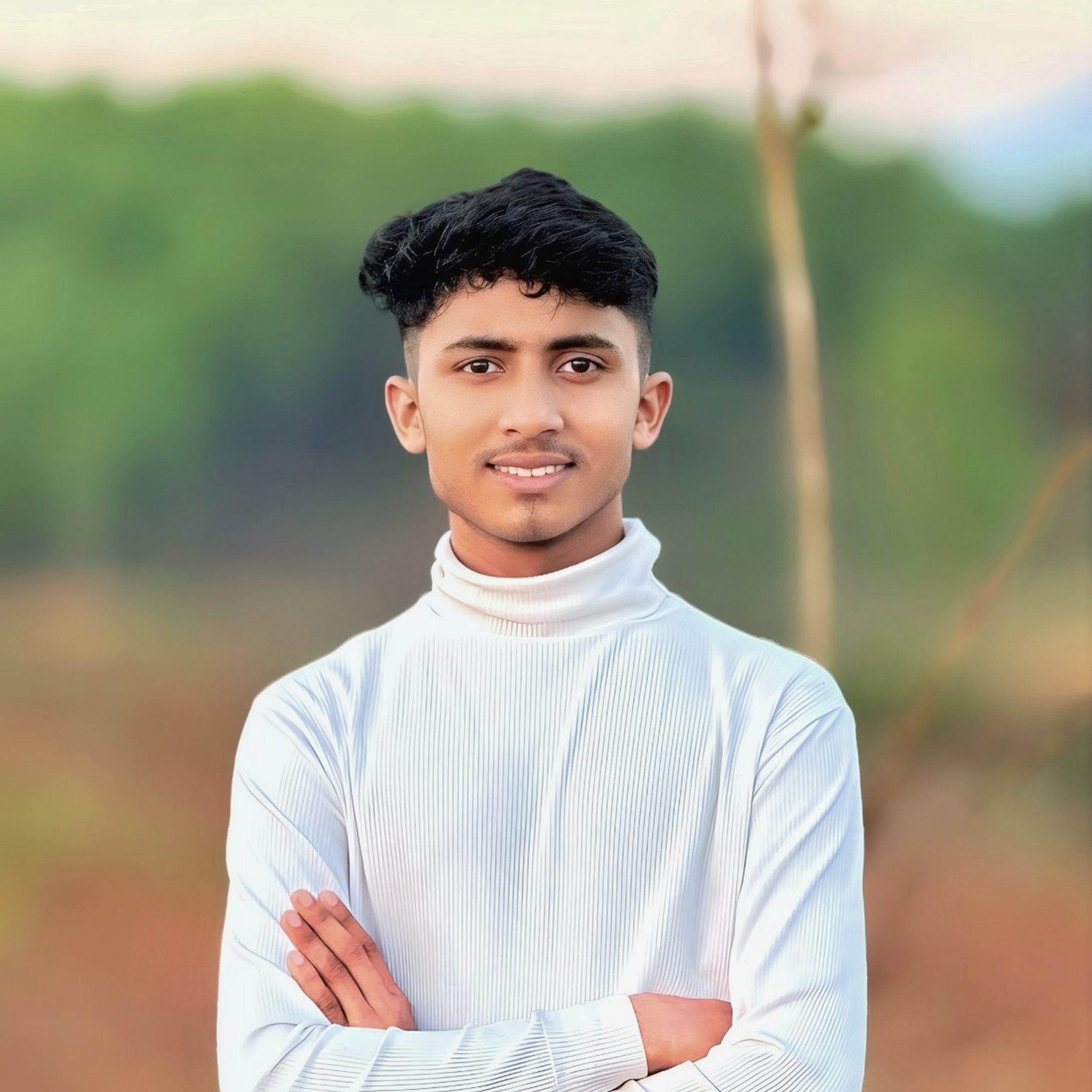
Maung Solaiman Shah
A courageous Rohingya humanitarian, Solaiman founded Youth Led Initiative (YLI) to empower young people in the world’s largest refugee camp in Bangladesh. He leads transformative programmes in education, climate change, and youth capacity-building, positively impacting Rohingya refugee communities. Solaiman’s leadership is defined by compassion, resilience, and inclusivity. As a rising star and role model, he inspires marginalised youth to lead with purpose and empathy. His work reflects a deep commitment to justice, kindness, and building a future where every young person can thrive with respect and dignity.
“Solaiman leads by listening first. He greets every volunteer by name, invites dissenting voices into decisions, and pairs high expectations with daily acts of care – scholarship calls, personal mentoring, sharing stipends with hardest-hit families. … Kindness also drives his organisation’s success. YLI has grown from a small idea to a multi-camp youth empowerment network, training over 400 young people, providing education in 10 learning centres, and partnering with local and international NGOs. The reason? Solaiman’s integrity, fairness, and compassion have built deep trust – among partners, peers, and the community.”
– Hla Win, Teacher, Institute of Human Rights and Democratic Governance

Maria Solita Zaldivar-Guzman
Known affectionately as Em-Em, Maria Solita is a volunteer, literacy advocate, and author whose grassroots initiatives uplift underserved communities. As the co-founder of the Movement of Gratitude and leader at KALIBOluntirs Volunteerism Hub, she spearheads programmes in early childhood literacy, maternal care, mental health, and values formation. Her children’s book The Little Star has gained global recognition, sharing Filipino stories across the world. With a background in psychology and human resources, she integrates empathy and service into sustainable community development.
“Em-Em exemplifies empathy by remaining deeply attuned to the emotional and practical needs of her community – listening to mothers in crisis, children without access to books, and volunteers struggling with burnout. Her pioneer programmes, such as Project Tatap and the Adopt A Day Care Project, were born from this understanding and a shared sense of humanity. She demonstrates generosity not just through material support, but through time and presence – mentoring young volunteers, offering encouragement to fellow community leaders, and personally delivering donations during crises.”
– Hannah Baquid, Member & Adviser, Movement of Gratitude
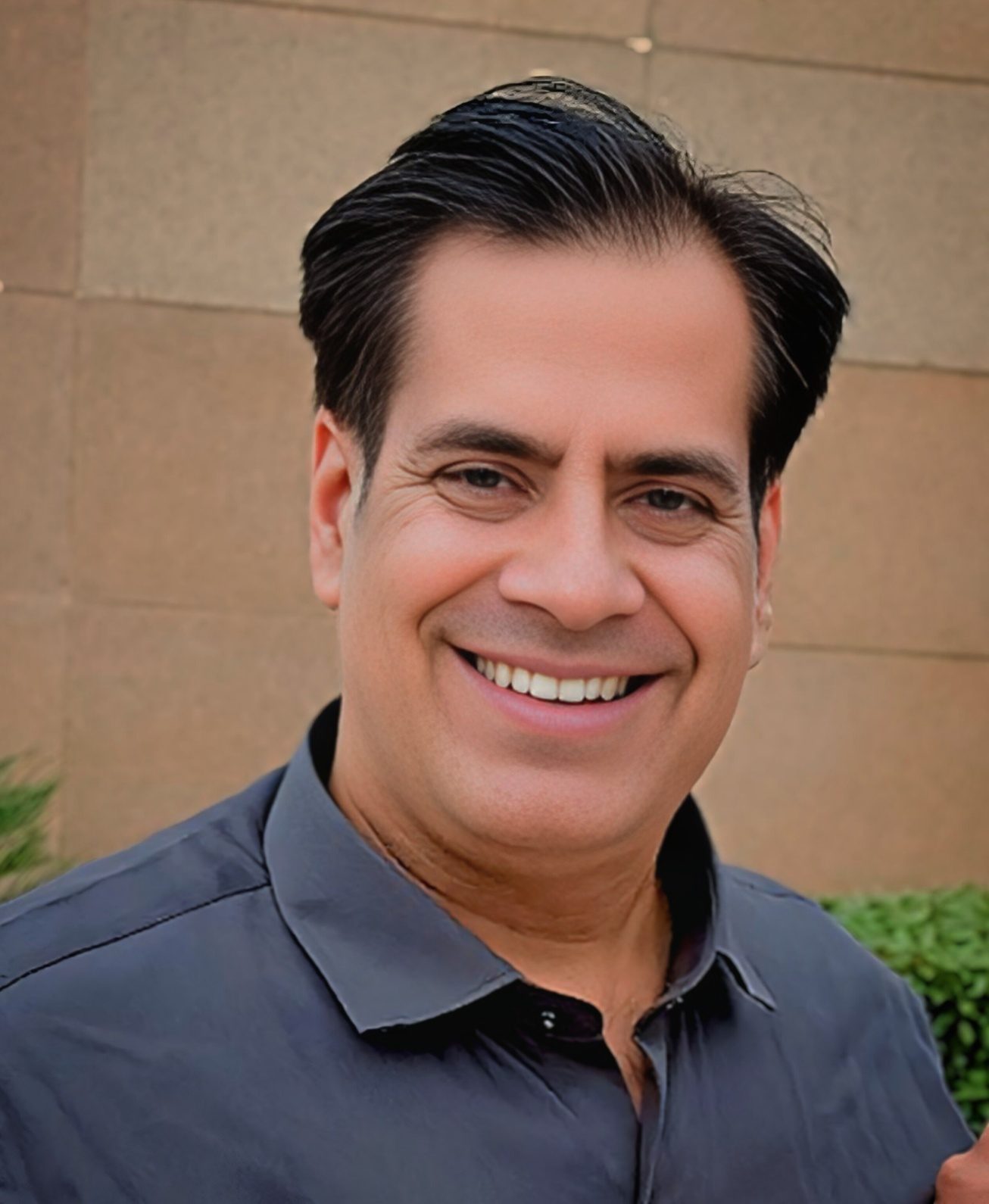
Manish Rai
Founder of Ek Pahel B.R. Memorial Welfare Society and Senior Lecturer at Dayalbagh Educational Institute, Manish has empowered over 51,000 lives through inclusive education, healthcare, and skills development. His grassroots leadership built transformative initiatives like Ek Pahel School, School on Wheels, and the Shiksha Plus adult literacy programme. Honoured with the Rex Karmaveer Chakra Award and recognised by One8 Select by Virat Kohli, he has received national and international accolades for his tireless service. His leadership, rooted in humility and kindness, inspires sustainable change and dignity for underserved communities across India.
“Manish leads with compassion and clarity of purpose, creating a culture rooted in trust,
empathy, and shared responsibility. His leadership fosters deep connection – with beneficiaries,
team members, and communities – ensuring every initiative is human-centric and impact-
driven. … From education to higher learning and skills development for youth and women, to accessible healthcare via mobile units and wellness camps – his leadership uplifts, lives not through position but through purpose, making him a true light of kindness in leadership.”
– Jitin Chawla, Director, Jitin Chawla’s Centre for Career Development
Ma. Lourdes Sarrosa
A Filipino educator, Lulu is the founder and Director of the School for Creative Beginners in Bacolod City that has grown to serve around 135 children. With over 32 years of leadership in progressive education, she has pioneered a Multiple Intelligences-based curriculum and innovative reading programmes, making learning joyful and effective. She believes that children learn in diverse ways and deserve personalised attention. She is also active in charities, as well as social and spiritual organisations, serving in church-based ministries and community faith groups.
“As a hands-on leader, Lulu fosters a culture of respect, creativity, and collaboration among staff and families. Her kindness creates a safe, nurturing environment where both children and teachers thrive. … Her leadership has impacted generations of students, empowered countless educators, and made our school a pillar in the community. Many alumni return, not just with fond memories, but with their own children – proof of the deep and lasting imprint her kindness has made. In every decision, she leads with heart and, in doing so, she inspires those around her to do the same.”
– Monday Nacionales, Finance Coordinator, The School for Creative Beginners

Leah Marie Guba Ayeng
Leah is CEO of Prestige Quality Paper Products and a visionary advocate for women’s empowerment, sustainability, and inclusive innovation. Named Asia’s Top Outstanding Woman Marketeer (2023), she is a Certified Professional Marketer and a recognised leader in the Philippine Marketing Association, where she serves as Director for Youth and Academe. A sought-after speaker, she engages across industries and universities on marketing, sustainability, and leadership. Leah is also the President Nominee of Rotary Pasig South, a GO Negosyo Mentor, and an Inspiring Filipina awardee, advancing MSME growth, youth development, and purpose-driven leadership nationwide.
“Leah’s consistent, respectful approach fosters a culture of inclusion, resilience, and collaboration within her teams. By valuing people over profit, she builds trust, motivates excellence, and nurtures long-term relationships – leading to sustainable business success. Her humility and mindfulness influence decisions that prioritise wellbeing, while her fairness ensures diversity and dignity are upheld. Leah’s leadership not only inspires growth but also cultivates a workplace where people feel valued, heard, and empowered.”
– Mark Anthony Angeles, Founder & President, NoyPreneur/NoyPreneur Cares
Khalid Hadji Abdullah
Passionate about public service, Kyle has served in the legislative body of the Philippines for almost three decades, becoming an MP for the Bangsamoro Transition Authority three years ago. An advocate for health and social care, he is committed to meeting the needs of his constituents. One of the many healthcare initiatives he has championed is a free eye cataract programme, which has successfully treated almost 1,000 patients who cannot afford quality eye treatment. Another 1,000 patients received free eye checkups and prescription eyeglasses. Also committed to animal welfare, Kyle has created a shelter for 200 stray cats and dogs at his home.
“Kyle was a big advocate of social work even before his appointment as Bangsamoro MP in 2022. As someone who started from the lowest of the professional structures of the government, he sees the real situation faced by many. The opportunity granted to serve paved the way for the expansion of his initiatives for the people and has allowed him to achieve his goal to be an instrument of hope for his fellow Muslim Filipinos. In less than three years as a Member of Parliament, he has been able to extend assistance to vulnerable communities in the Bangsamoro region in several ways.”
– Moh. Rayyan Yassin Dimaporo, Lawyer & Political Affairs Officer, Bangsamoro Transition Authority
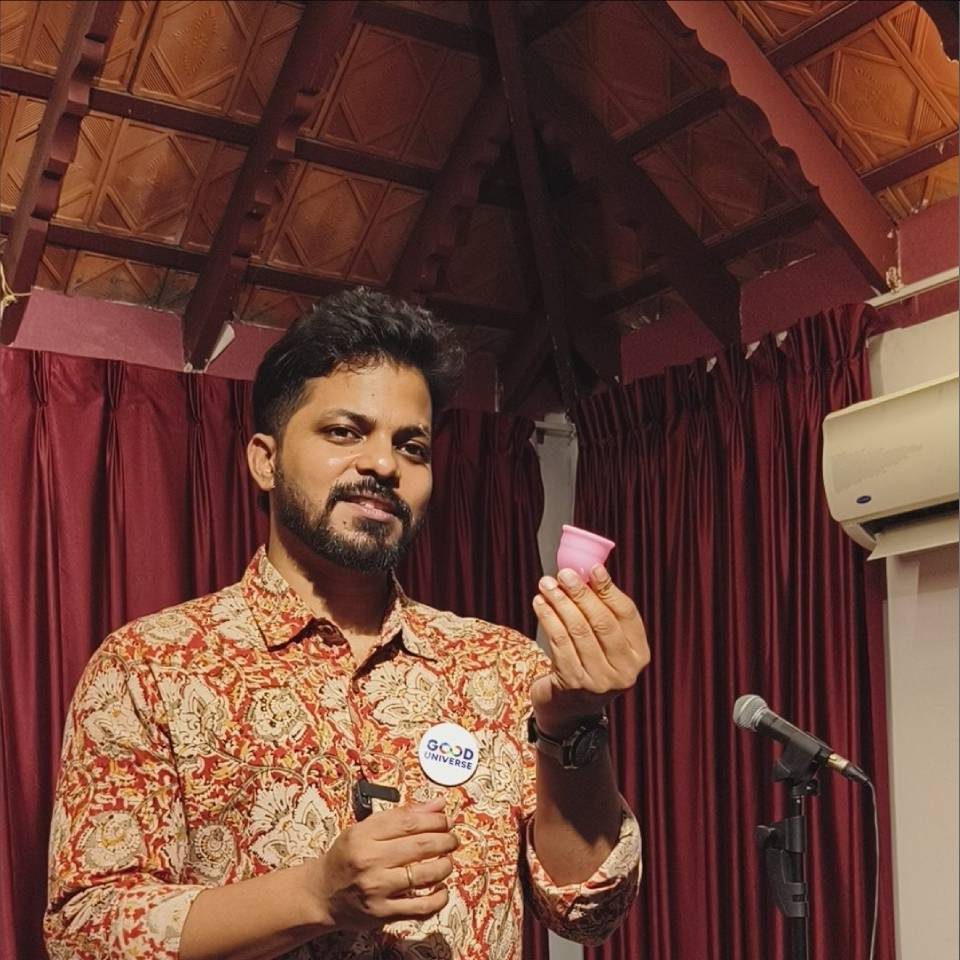
Kamalakanta Nayak
Kamal is the founder and CEO of Good Universe, a social enterprise driving climate action, gender equity, and health innovation across India. Hailing from a small village, he has transformed the lives of over 1 million people through programmes in menstrual health, STEM education, clean energy, and sustainable agriculture. A UN SDSN Fellow, TEDx Speaker, and Youth Champion, he bridges grassroots leadership with CSR, policy advocacy, and global thought leadership. Kamal has represented India on international platforms and is recognised by the BBC, The Hindu, and 25+ media outlets in India for pioneering a human-first, systems-driven model of impact.
“Kamal’s kindness extends far beyond his team. His vision to involve boys and men in conversations about menstruation through Men in Menstruation wasn’t just bold, it was deeply human, especially in a country like India where certain sections of the society still hold menstruation as something to be treated as an illness or detriment. He believed that shame could be replaced with understanding if only someone was kind enough to start the dialogue. And he did. Today, many young boys across Andhra Pradesh and Telangana speak openly and respectfully about periods, a ripple effect of one man’s compassionate leadership.”
– Anushka Barua, Content Manager, Mirai Connect LLP
At Good Universe, we don’t embed kindness into policy, we breathe it into every interaction. We begin meetings with silence, not urgency. We value rest as much as results. We see every colleague as a soul, not just a role. Kindness is how we honour our shared human experience, especially in moments of conflict, confusion, or growth.
To embed kindness is to slow down, soften, and serve. It is to remember that peace, compassion, and dignity are not idealistic, they are the most powerful architecture for a resilient and joyful organisation.
Kindness is not a strategy, it is a state of being.
Joshua Peauafi
Joshua is the Pacific Business Lead at New Zealand Health Group, where he is a powerful advocate for Pacific excellence and wellbeing, leading equity-focused initiatives that support culturally responsive healthcare. With a background in community engagement, leadership, and advocacy, he co-founded Potplant Studio, a mental health start-up using plant workshops to engage youth in crucial conversations about personal growth. A recipient of the Kiwibank Local Hero Medal and an international speaker and mentor, Joshua is dedicated to empowering Pacific communities, amplifying their voices, and fostering their success in the business world and beyond.
“Joshua exemplifies kind leadership through his authenticity, empathy, generosity, and unwavering commitment to service. His leadership is not performative; it is lived and consistent across every space he enters. What makes Joshua truly stand out is the depth of his emotional intelligence and his ability to create environments where people feel safe, valued, and empowered. … Joshua is not just a kind leader; he is a catalyst for systemic and generational change through kindness in action and strength.”
– Tuukuru Tahana, Cultural Advisor, New Zealand Health Group
Encourage a culture of mutual support. Implement peer-to-peer recognition programmes where people can publicly thank colleagues for their help, and celebrate team successes with shared meals or activities. These small, consistent gestures build strong bonds and a sense of shared purpose.
Finally, integrate kindness into your company's core values. When you prioritise a people-first approach in your decisions, it becomes clear that kindness is not just a soft skill, but a powerful driver of a positive, productive, and ultimately more successful workplace.

Joey Sae Hoon Ra
Pioneering executive coach, Joey, founded the Cambodia Coaching Institute (CCI), the country’s first coach training organisation aligned with the International Coaching Federation (ICF). As the most senior ICF-credentialled coach in Cambodia, he has logged over 1,000 hours coaching senior leaders, teams, and coaching practitioners. Known for blending clarity, presence, and deep strategic insight, Joey partners with organisations across Cambodia to develop grounded, connection-centred leadership. He co-leads the Connection Collective, a community for soulful leadership, healing, and systems-shaping work, and also mentors coaches across the region.
“Joey embodies kindness in leadership through deep presence, compassion, and an unwavering belief in people’s potential. As founder of Cambodia Coaching Institute, he has trained over 200 Khmer coaches – many of whom now bring healing, trust-based leadership, and human connection into schools, NGOs, and government teams. His generous spirit – offering scholarships, mentorship, and emotional support – ensures that coaching is accessible to all. Joey’s leadership has transformed team cultures from fear to trust, enabling more connected, purpose-driven work.”
– Martalia Lo, Founder & CEO, Academy of Careers and Technology Cambodia
Focus less on “doing” and more on “being.”
Whatever you create as a leader will always stem from who you are. And if you’re not truly kind to yourself, it will show up somewhere – in control, in reactivity, in disconnection.
Get a coach. Work with a therapist. Prioritise your relationships – personal and professional.
Fierce, authentic love can only come from true self-love.

Hameed ul Mehdi
For the past 25 years, Hameed has worked across various sectors designing inclusive community-based projects for social change. He is a human rights advocate and media and research scholar with a special interest in youth development, education, and health. A champion for equity and empowerment, his impactful work includes facilitating and implementing a karate tournament for marginalised Hazara girls in Pakistan. He has served as consultant, advisor, and trainer to several youth-based organisations, supporting improvements in efficacy and efficiency.
“Hameed’s dedication to inclusive community development is evident in his teaching, research, and engagement with diverse ethnic and marginalised communities. He has strived to create interdisciplinary collaborations that empower communities and foster sustainable leadership. Through student mentorship and facilitating community-based projects for social change, he aims to strengthen the next generation of community professionals, ensuring they have the resources and networks needed to drive positive change.”
– Hussain Ali Chengezi, President, Japan Karate Association, Pakistan
Second, you need to be sound in organisational management and leadership, performing some key activities such as mentoring employees, regular professional capacity building, making things easy for employees, enabling a stress-free working environment, personal interaction for better bonding among staff, fair management tools, an incentive-based approach, encouragement, and awarding organisational achievements in order to keep motivation high.
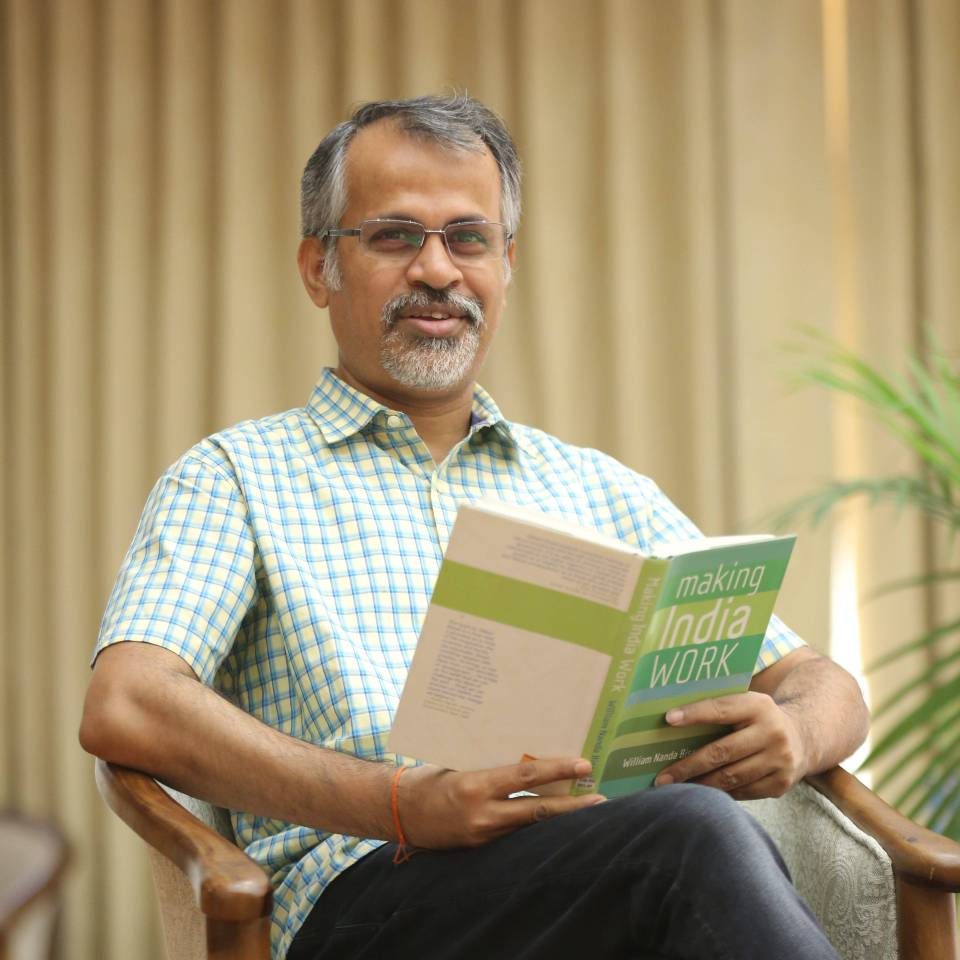
Gaurab Sen
CEO of Sasakawa-India Leprosy Foundation (S-ILF), Gaurab’s leadership is rooted in justice, dignity, and compassion. A strategist by training and humanitarian by heart, he has steered S-ILF to become a national catalyst for change – empowering thousands through innovative livelihood, education, and awareness programmes across 18 states in India. Over 3,550 people have benefitted from the organisation’s livelihood programmes, and more than 1,600 learners from leprosy colonies have received scholarships to pursue higher education or training courses. Gaurab’s approach breaks barriers of hierarchy, stigma, and fear, replacing them with trust, hope, and solidarity.
“One of Gaurab’s defining attributes is his ability to make others feel seen and valued. Whether it is a grassroots community member in a remote leprosy colony or a junior colleague at the foundation, he treats everyone with the same respect and warmth. During field visits, he sits with families, listens to their stories, and ensures that their concerns shape programme interventions. … He does not just lead from a position of authority – he leads from the heart, ensuring that every voice, especially the most marginalised, is heard and respected.”
– Shubhendra Sachan, Manager, Advocacy & Networking, S-ILF

Fajer Rabia Pasha
As Executive Director of Pakistan Alliance for Girls Education, Fajer has expanded access to quality education for over 300,000 girls across Pakistan. Tackling barriers such as early marriage and poverty, she has established 139 schools across the country, fostering safe learning environments. She has strengthened community-led education models, advanced gender-responsive education policies, and mobilised partnerships with government and private sector stakeholders. Her dedication, strategic leadership, and ability to inspire collective action have significantly contributed to advancing girls’ rights in Pakistan.
“Fajer’s leadership style is collaborative and compassionate. She creates safe, inclusive spaces for her team and communities, where individuals – especially women – feel valued, heard, and encouraged to lead. She mentors young professionals across Pakistan, guiding them not just professionally but personally, often staying connected beyond the workplace. Many of her colleagues, past and present, credit her with inspiring them to believe in their own potential and pursue leadership roles themselves. Under her direction, the Pakistan Alliance for Girls Education (PAGE) has flourished – not simply as an organisation, but as a movement built on dignity and trust.”
– Abbas Naeem, M&E Lead, Pakistan Alliance for Girls Education
Durga Das
Durga is a former professional sportswoman and globally recognised entrepreneur. As the founder of Aeronero, she is leading the charge in revolutionising the water industry with innovative air-water generation technology. She also holds advisory roles on various international platforms, contributing over 30 years of experience in startups, business development, and mentorship. Beyond her business achievements, Durga is deeply committed to social responsibility, founding the charity WODER to combat water scarcity in refugee camps and promote water independence for women. She previously represented India in cricket and captained the US cricket team.
“Durga exemplifies kind leadership through her unwavering commitment to leveraging technology for humanitarian purposes. Her work is not merely about business success but about creating a tangible, positive impact on a global scale. This is most evident in her founding of Aeronero, a deep-tech company that addresses one of the world’s most pressing challenges: water scarcity. A key attribute of her kind leadership is her profound empathy. She has channelled her entrepreneurial drive to create solutions that serve the most vulnerable. Aeronero’s innovative technology, which generates clean drinking water from the air, is a testament to this.”
– Madhu Nagarajan, CIO, Aeronero Solutions Pvt Ltd
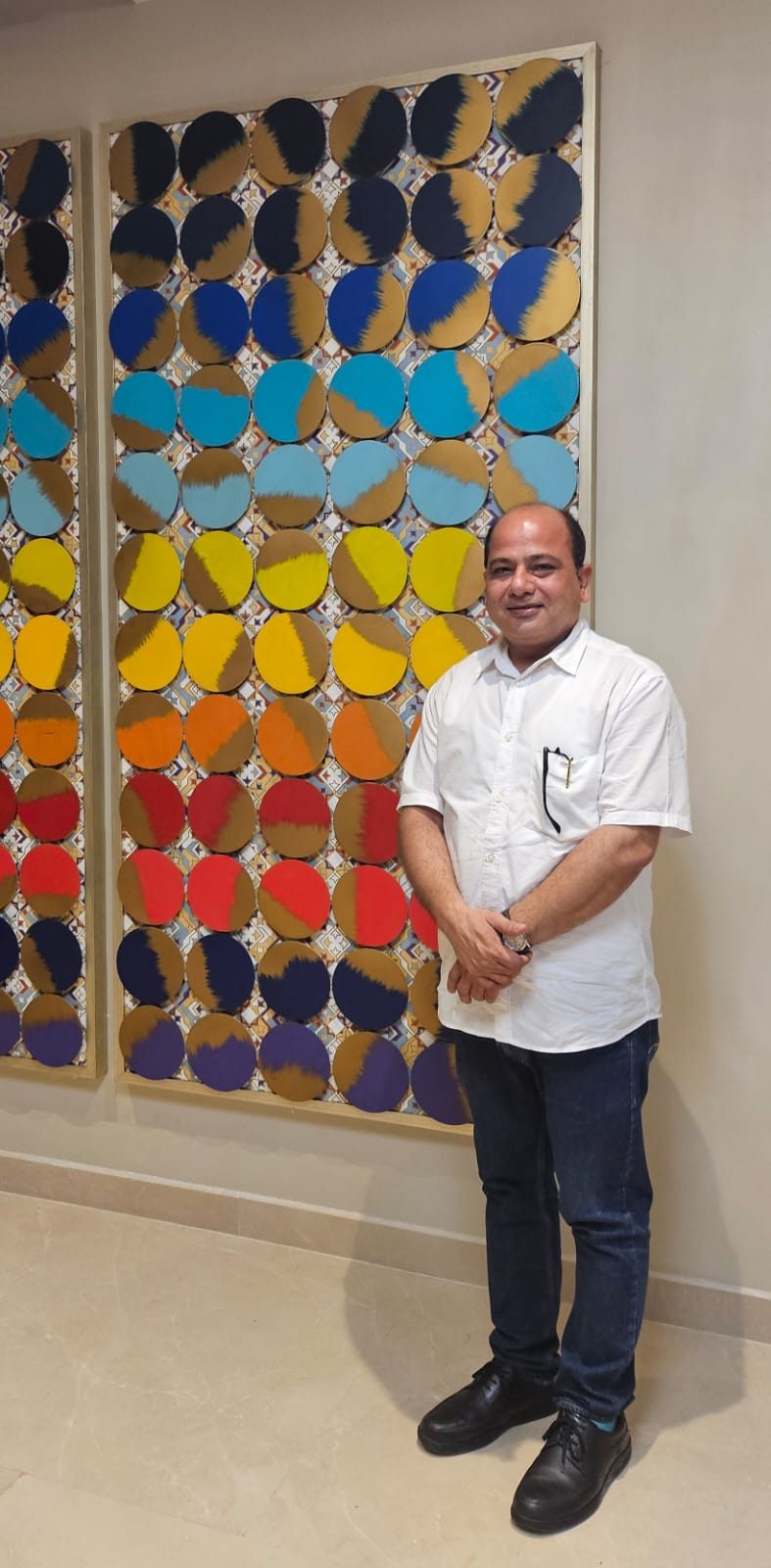
Dr Vivek Trivedi
With a PhD in social work and 20 years of experience in welfare and development, Vivek embodies compassionate leadership. He founded the Association of Professional Social Workers and Development Practitioners, a think tank that achieved Special Consultative Status with UN-ECOSOC and Observer Status with other UN bodies, including UNFCCC. A Climate Fellow trained by Al Gore, he passionately advocates for climate action. His role in drafting the UNESCO Education for Sustainable Development Youth Statement underscores his commitment to a sustainable future. Vivek’s empathetic approach and mentorship inspire shared success and have earned him two State Awards.
“What stands out is how Vivek truly empowers people – whether it’s giving someone a chance to lead a project or spending time mentoring a junior colleague. He’s big on collaboration, too: he brings together different voices, which is how APSWDP (Association of Professional Social Workers and Development Practitioners) ended up with UN ECOSOC and UNEP ties. Everything he does feels rooted in a clear purpose – be it climate work or social development – and that shared vision really lights a fire in the team.”
– Anshu Kumar, Former UN Staff, UNICEF / UNDP
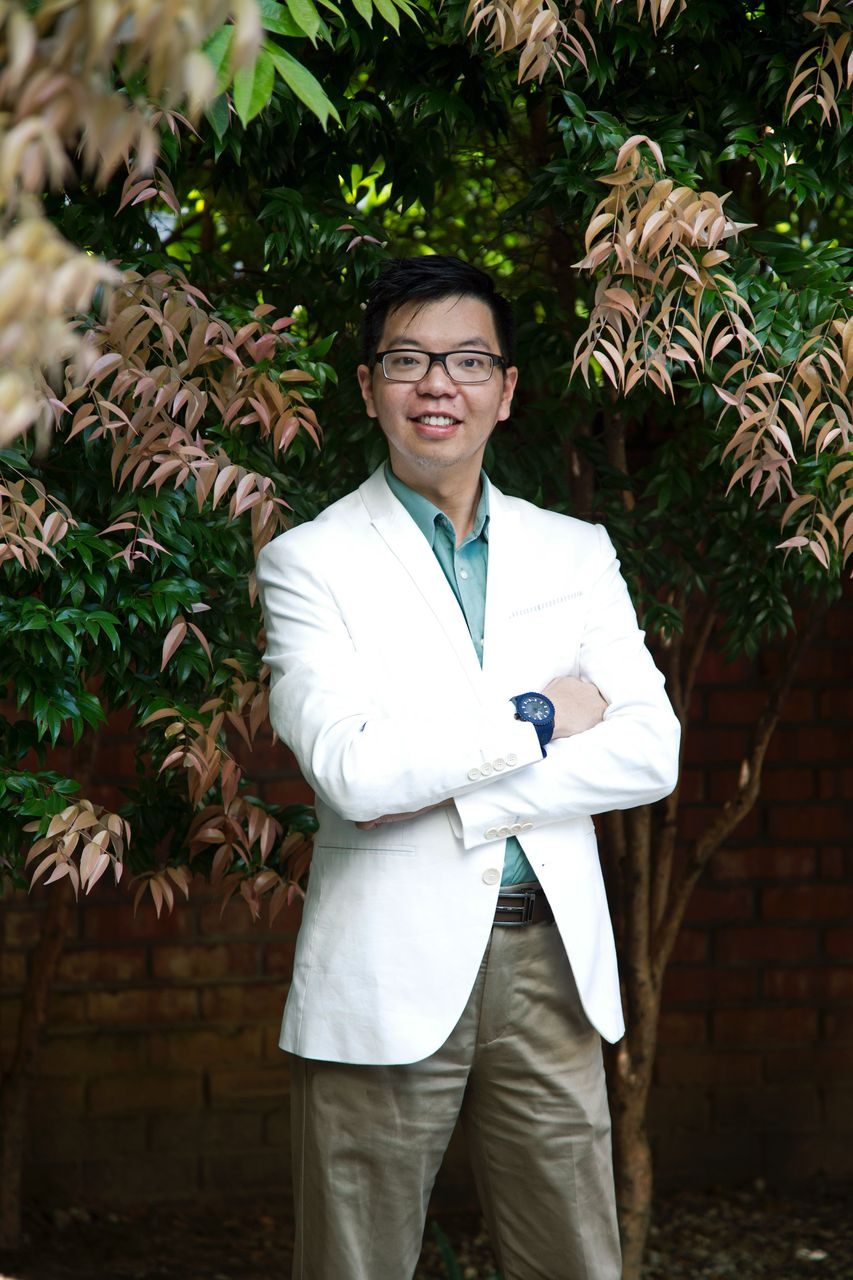
Dr Renard Siew
Renard leads global ESG strategy for energy infrastructure company Yinson Holdings Berhad. He has been pivotal in driving Yinson’s transition towards decarbonisation through its “30 by 30” goal, strengthening climate disclosures, advancing nature-based carbon solutions, and championing sustainable finance innovation. Beyond business, he spearheads Yinson For Youth (Y4Y), a flagship community programme focused on empowering the next generation through education, climate awareness, and skills development. As President of the Malaysia Carbon Market Association, he plays a critical role in shaping the country’s carbon market ecosystem.
“Renard leads with humility, creating an environment where every voice is heard and valued, regardless of seniority. Through empathy and consistency, he nurtures a culture of trust, collaboration, and innovation, empowering his team to speak up, adapt, and co-create solutions in the face of complex sustainability challenges. Even in times of uncertainty, Renard shows unwavering resilience and courage. He leads by example, guiding his team with clarity and conviction through the evolving ESG landscape. His ability to advocate for just, inclusive climate action even when it requires going against the grain, demonstrates a rare blend of moral courage and strategic thinking.”
– Thomas Lim, Project Manager, Kelab Belia Prihatin
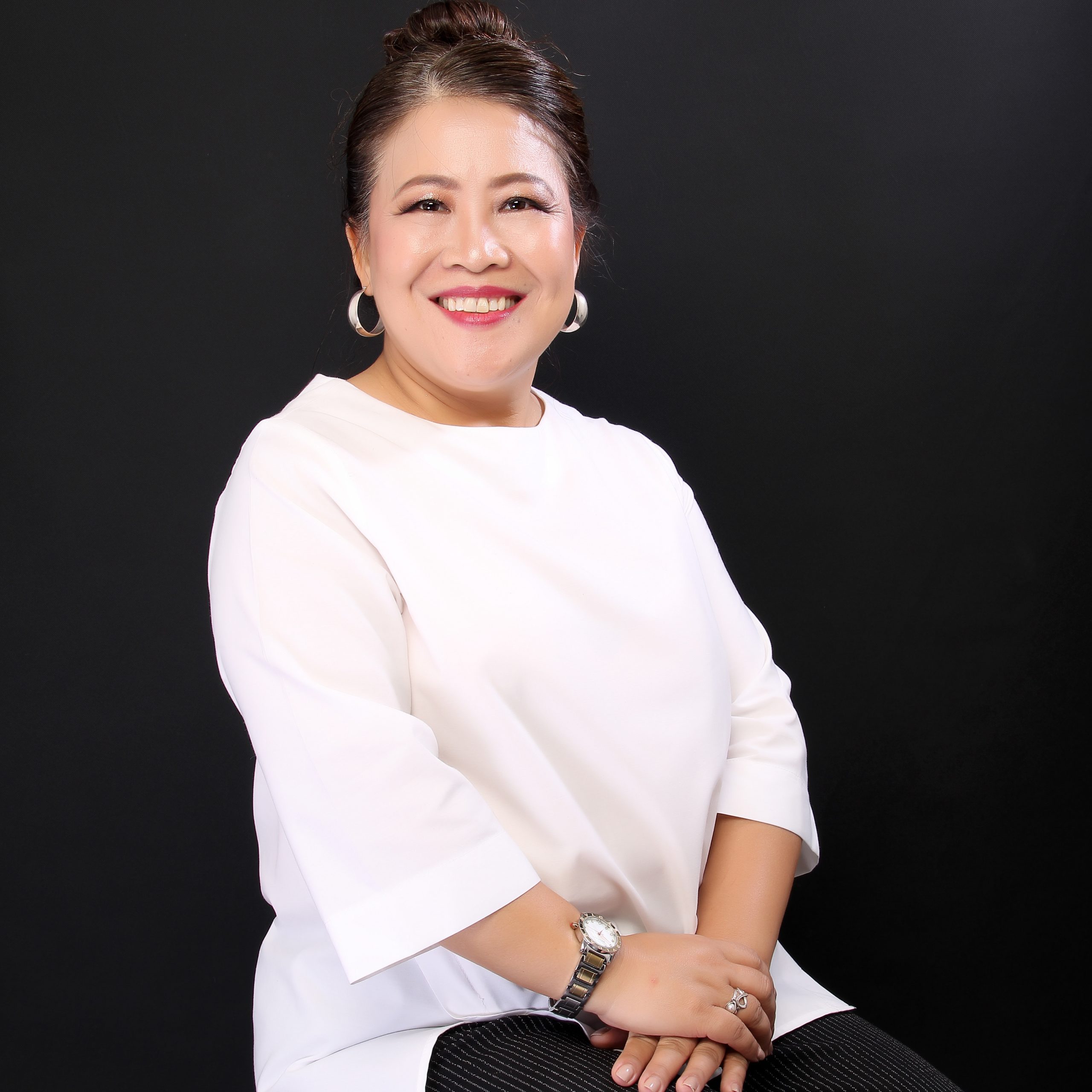
Dr Maria Catbagan Aplaten
Committed to servant leadership, Maria has long supported the dignity and empowerment of communities in need. As Director of the Department of Social Welfare & Development, her outreach efforts have provided medical, dental, and educational services to thousands of children, seniors, and families. Before her government service, she actively supported NGOs and underprivileged students through scholarships and volunteered during periods of crisis. Maria’s love for the community is evident in every initiative she leads, from remote Cordillera villages to disaster-stricken areas.
“Fondly known as RD Malaya, Maria shows her kindness through servant leadership. This is clearly seen in her outreach efforts, especially in Project M.A.R.T.H.A., which stands for Mobilizing Advocates to Reach, to Transform, and to Help All in Need. The project brings together altruistic individuals and organisations to reach the unserved, especially those in Geographically Isolated and Disadvantaged Areas (GIDAs). Her commitment has created a lasting impact on countless lives. Born to a blind mother and raised in a very difficult situation, RD Malaya knows firsthand what it means to struggle. Her childhood taught her the importance of compassion – and that has shaped her life’s mission.”
– Jobelle Anselmo-Batanes, Regional Executive Assistant, Department of Social Welfare and Development – Cordillera Administrative Region

Dr Manish Jain
Through Kineer, Manish has empowered India’s transgender community with impactful initiatives like Trans-formation, providing skills development and dignified placements for over 1,200 individuals, and Forgotten Families, distributing dry rations to over 500,000 people. He organised free COVID vaccinations for the community and launched a platform to promote transgender artists. His drinking water brand, Kineer Water, employs only transgender individuals and set a world record for free training and placements. Manish also led India’s first transgender cricket team and a trans expedition to Mount Friendship, proving that inclusion, dignity, and opportunity can transform lives at scale.
“Manish exemplifies kindness in leadership through empathy-driven action and unwavering inclusivity. His compassionate approach has transformed lives within the transgender community by creating dignified livelihood opportunities. Manish leads with humility and vision, fostering a culture of respect, belonging, and purpose within his team. Under his guidance, Kineer has flourished – proving that kindness and business success are not mutually exclusive. His leadership has inspired collaboration, boosted morale, and driven sustainable impact, demonstrating that when people feel valued, they perform at their best.”
– Bhagwan Natkar, Volunteer, Kineer Services Pvt Ltd
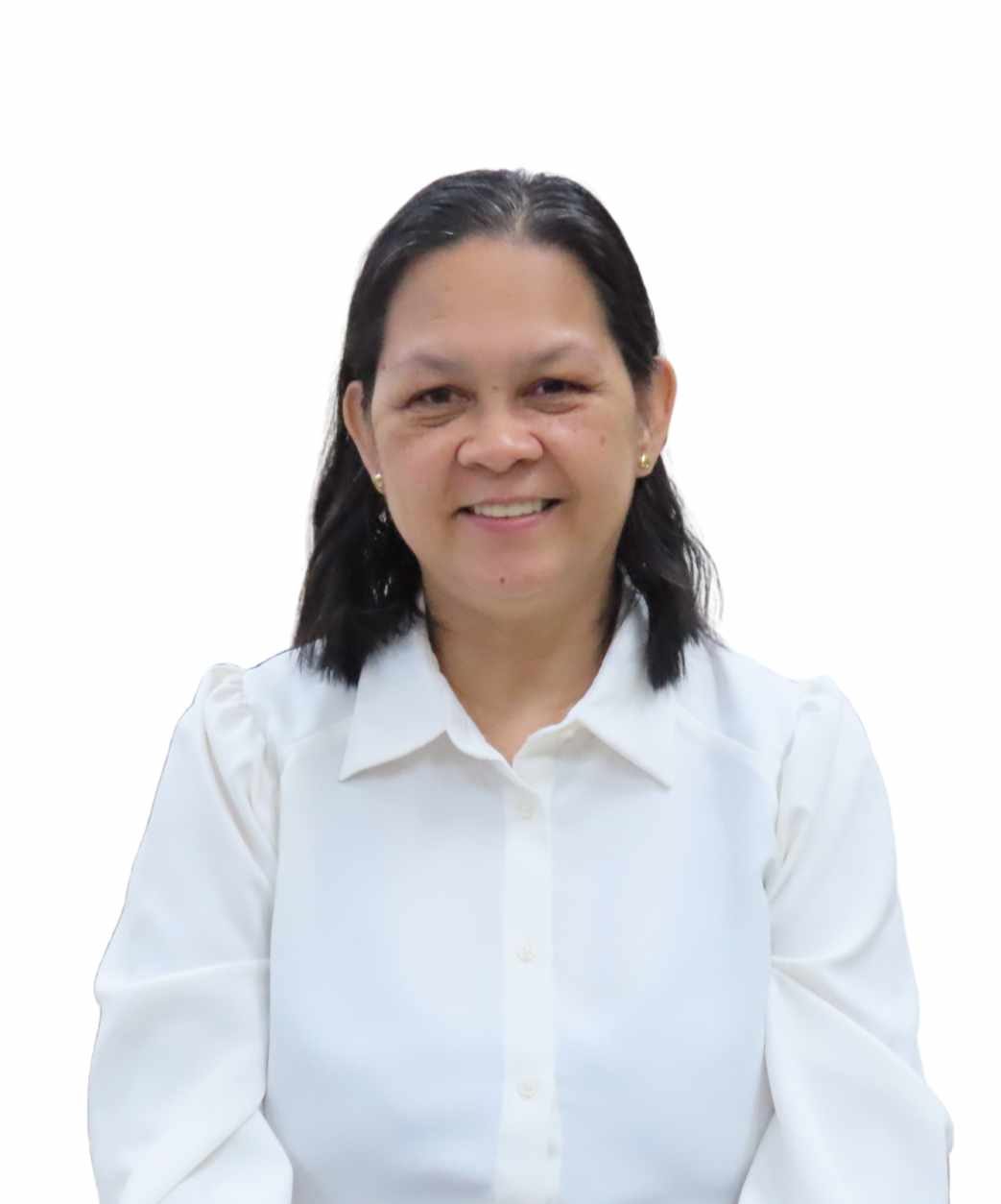
Dr Jovelyn Delosa
Committed to the pedagogy of care, Jovelyn is a transformative leader in higher education. She has pioneered programmes for instructional excellence, advanced assessment literacy, and built communities of practice that integrate leadership development. Her community work includes designing leadership programmes for the Department of Education and promoting global citizenship education through the UNESCO-funded LIHOK program. Recipient of the Metrobank Outstanding Filipino Award and a global fellow of SUSI, the United Board, and the Australian Leadership Program, Jovelyn is most proud of her dedication to ensuring every learner is truly valued.
“Jovelyn listens to each of her colleagues with a kind heart. She generously gives time to others, expressing deep gratitude for their work while encouraging those who fall short. Personal care – this makes her extra special. She inspires the staff and students in building and nurturing a culture of kindness among themselves alongside empathy, humility, and compassion. Her impact reaches the larger community outside the school.”
– Janneth Ong, Teacher, Hobbs Municipal Schools
Dr Arnel E. Genzola
Arnel is a Filipino professor, development worker, and youth empowerment advocate currently serving as EFL Program Director at Jilin University-Lambton College, China. The first Asian to hold this post, he leads a diverse faculty with compassion, humility, and purpose. Beyond academia, he supports community-based initiatives and social development programmes in China and the Philippines and is the Founder and President of YOUnited Advocates Inc., an NGO dedicated to empowering disadvantaged youth. His leadership exemplifies kindness, service, and transformative action across borders and cultures.
“Arnel embodies kindness in leadership through empathy, inclusivity, and authentic connection. As the first Asian appointed EFL Program Director at Jilin University-Lambton College, he led a diverse team of international teachers by fostering trust, fairness, and collaboration. His initiatives bridged cultural divides and increased faculty engagement, particularly in professional development programmes. His leadership created a more cohesive, participatory academic environment – improving morale, retention, and institutional growth.”
– Miguel Antonio Desoloc, Faculty, ICCT Colleges Foundation Inc.
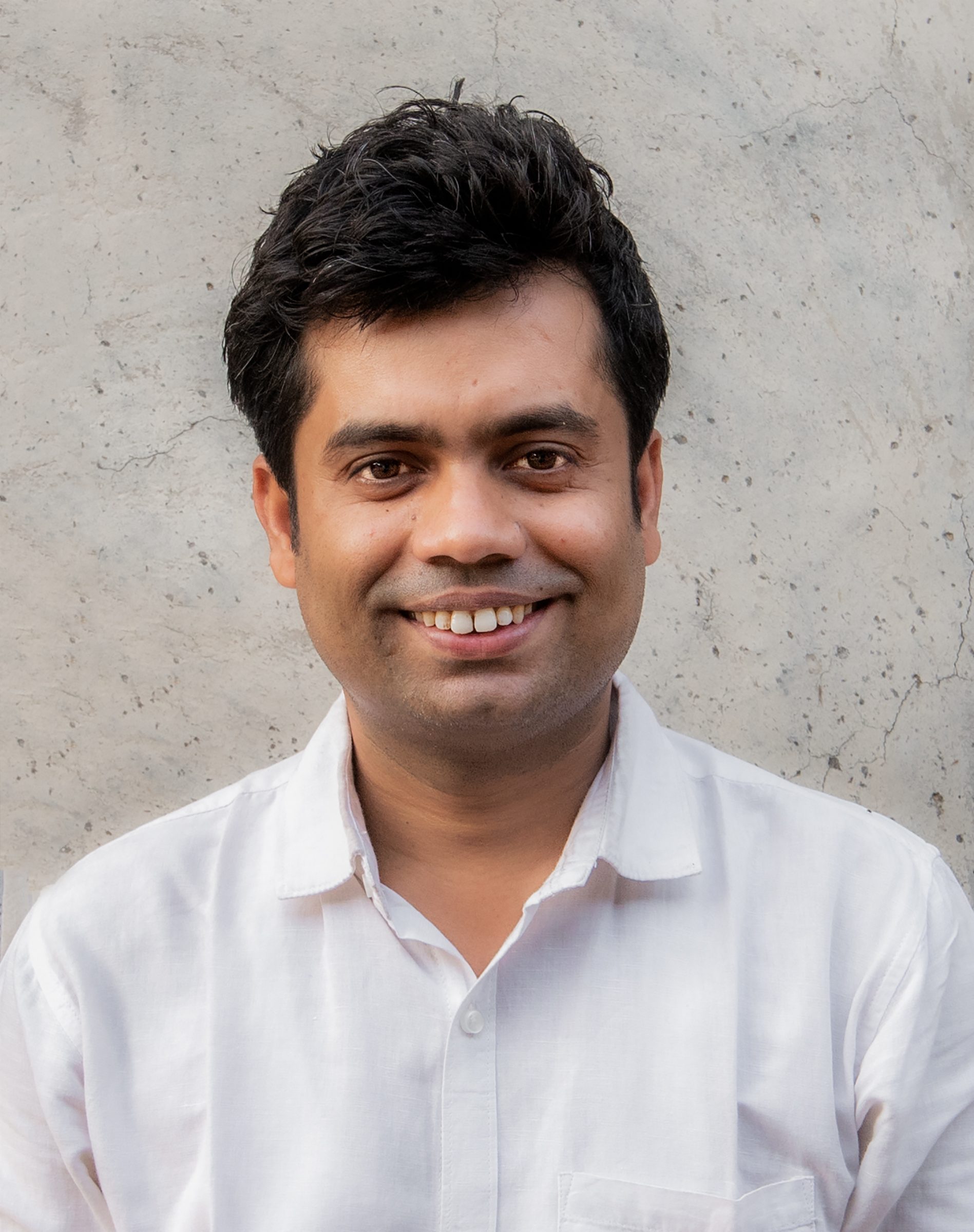
Deep Narayan Nayak
Popularly known as the “Teacher of the Streets,” Deep is a globally recognised grassroots educator, social innovator, and Founder-CEO of the Raster Master International Foundation. His award-winning Three-Generational Learning Model – where children, parents, and grandparents all learn together – empowers over 18,000 learners across 100+ villages in rural India. Deep holds multiple degrees in education and social work, and is pursuing an Executive MBA from Valar Institute, USA. A Global Teacher Prize finalist and HundrED Innovation recipient, his work has been featured by BBC, Reuters, and Voice of America.
“Deep leads with his heart. He listens carefully to everyone – students, teachers, families – and treats each person with respect. He is generous with his time, especially when mentoring young educators. Even during hard times, he stays calm, kind, and consistent. His leadership style has helped us build a strong, loyal team that feels supported and valued. Because he puts people first, partners and communities trust us. That trust has helped our programmes grow and succeed. His kindness is not just emotional – it makes real, lasting business sense because it creates loyalty, motivation, and strong community ties.”
– Salini Giri, Director, Raster Master International Foundation
Working with marginalised communities in India, we realised that kindness is an indispensable part of life. Only kindness can turn streets into classrooms, kindergartens into teachers, and grandparents into learners. We therefore believe that where kindness leads, culture thrives.
The key to our success is the LOVE & SOUL model, where kindness is our daily practice.
LOVE stands for
L – Live justly
O – Always be Open-minded
V – Value people first
E – Always start with Empathy
SOUL helps integrate kindness into leadership. It stands for
S – Sacrifice for the greater good
O – Optimism in adversity
U – Understand with humility
L – Lead by lifting others
Kindness, therefore, is not a weakness – it is the greatest strength.
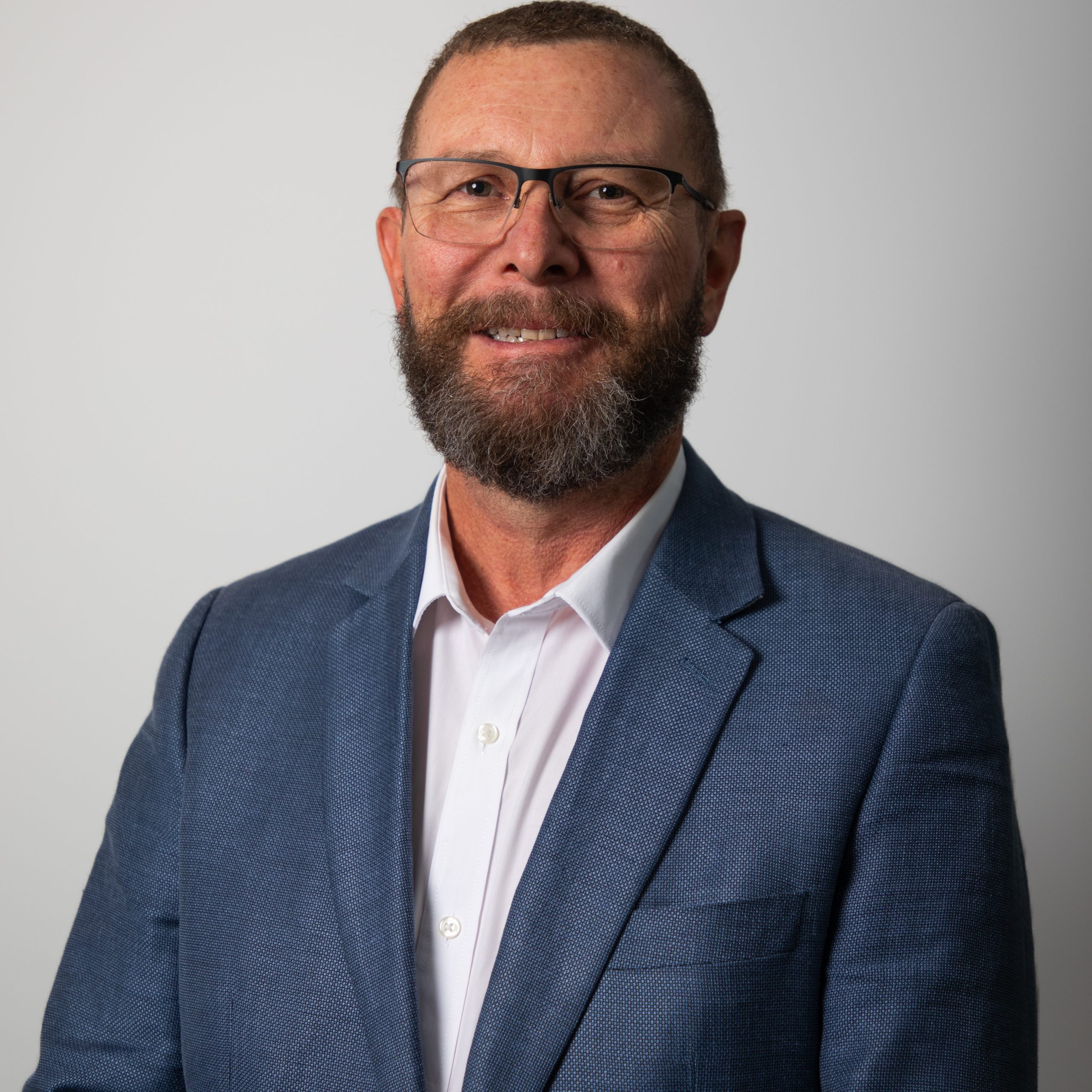
David Campbell Smith
David is a registered developmental educator and neurodiversity employment specialist with over 35 years of leadership experience in defence, professional services, and recruitment. Since founding Employ for Ability in 2019, he has helped more than 400 neurodivergent Australians secure award-wage roles, delivering education, training, and advisory services to government and corporate clients. He holds postgraduate qualifications in Autism, Organisational Development, and Leadership, and in 2019 received Oxford University’s Outstanding Alumnus Award for his work advancing neurodiversity employment.
“David’s leadership is rooted in human connection – he remembers names, listens without judgment, and creates a psychologically safe environment for staff and clients alike. His generosity with time is reflected in his mentoring of new team members, coaching of emerging leaders, and consistent advocacy for neurodivergent voices at senior government levels. At Employ for Ability, David has built a culture based on respect and equity. Staff are supported through flexible work, transparent communication, and mental healthcare without stigma. One team member shared that working with David was the first time they felt ‘truly seen and safe’ in a workplace.”
– Lalit Johri, Former Senior Fellow, Saïd Business School, University of Oxford

Christianne Santos
Since childhood, Kritzia has believed that small acts of kindness can spark lasting change. A passionate advocate for social work, community development, and environmental sustainability, she co-founded Anchored Philippines and 2KK Tulong Sa Kapwa Kapatid Foundation, nurturing young leaders for over 20 years. Her greatest joy is seeing former scholars lead with heart. As Executive Director of WeGeneration Initiative and part of WeGen Energy Philippines’ Social Transformation team, she empowers off-grid island communities to be part of climate solutions through education, social action, and harnessing renewable energy.
“Christianne has dedicated her life to serving others – whether empowering youth in slum communities, bringing solar power to off-grid islands, or helping organisations build capacity and raise funds. At 17, she co-founded 2KK in response to a tragic garbage landslide in Payatas that claimed over 200 lives. Rather than being paralysed by despair, she responded with hope – launching tutorial sessions, scholarship drives, and feeding programmes. Her leadership is grounded not in command, but in compassion in action.”
– Ann Marie Cunanan, Executive Director, Meaningful Ventures Greenland and Meaningful Ventures Philippines
It grows through empathy, appreciation, and the simple choice to go out of our way for someone. Kindness shines when we truly listen, recognise effort, and nurture real connection. Work becomes more meaningful, relationships deepen, and we become more energised to show up and work.
Three simple ways to show kindness, every day:
1. Appreciate openly – a smile and “thank you” goes a long way.
2. Lead with empathy – listen to understand.
3. Be of service – notice needs and offer support.
Start small, stay consistent, and over time, kindness becomes not just something we do – but who we are, contributing to a kinder, more connected world.
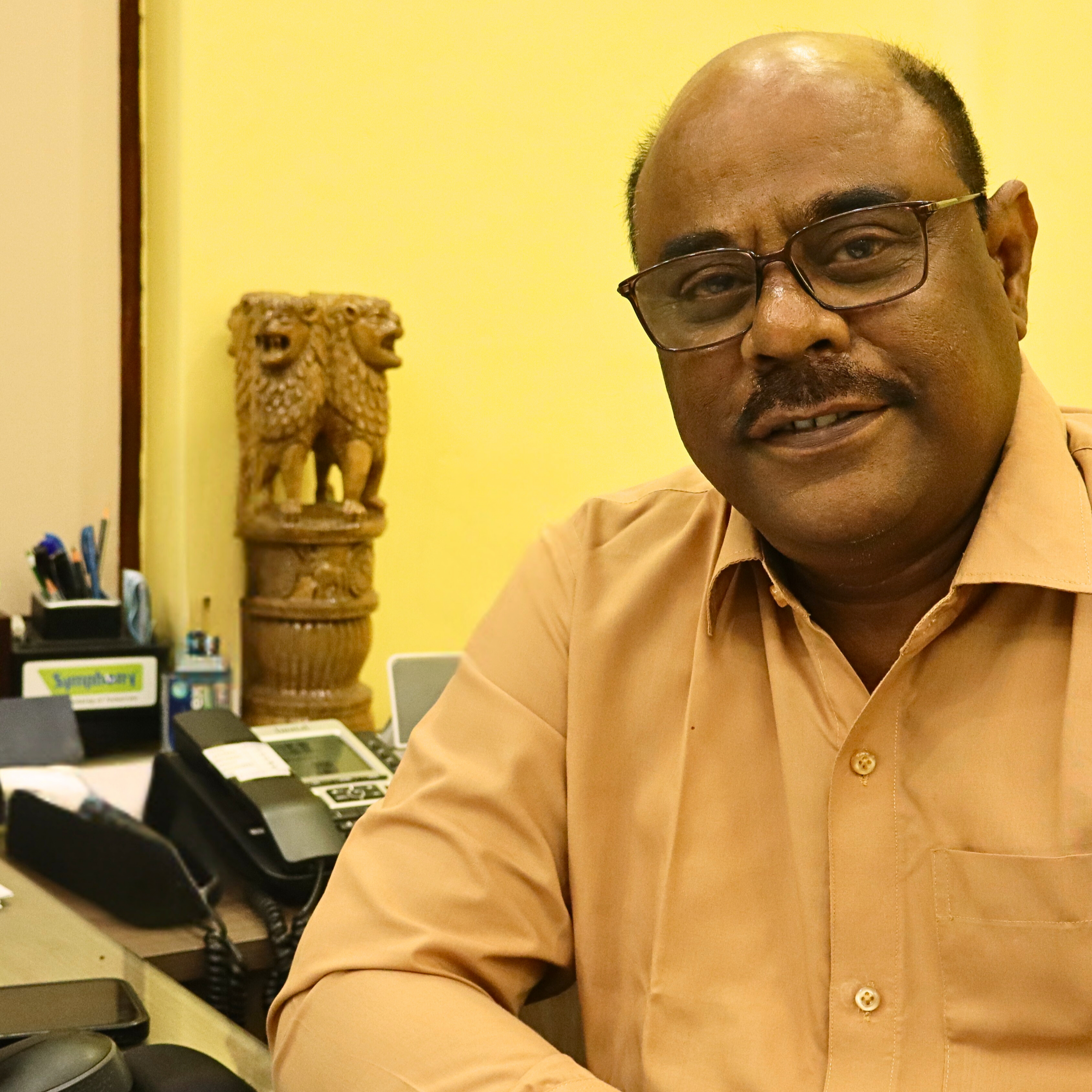
Bishwajit Das
Founder, Chairman, and Managing Director of WeGrow Financial Services Pvt. Ltd., Bishwajit has over 34 years of experience in microfinance and social development. Starting with a single branch in 2006, his visionary leadership has expanded WeGrow into a regulated NBFC-MFI with 31 branches, 200+ staff, and outreach to over 300,000 individuals. He pioneered a holistic model integrating microloans with financial literacy, health, and livelihood support. Under his leadership, WeGrow has become a symbol of inclusive development, empowering underprivileged women through a compassionate, purpose-driven organisational culture.
“Mr Das’s leadership is defined by authenticity, empathy, and courageous commitment to social good. He treats all staff with deep respect, understanding their life stories and supporting them beyond professional duties. His generosity shines through in critical personal moments. Empowerment is central to his mission. He champions women’s leadership, both in his team and in the communities WeGrow serves. His initiatives are designed not just for microfinance, but for holistic development – uplifting families and fostering sustainable independence. He frequently mentors junior staff and connects them with learning opportunities, reflecting his belief in collaborative growth.”
– Ranjan Barai, Director, WeGrow Financial Services Private Limited
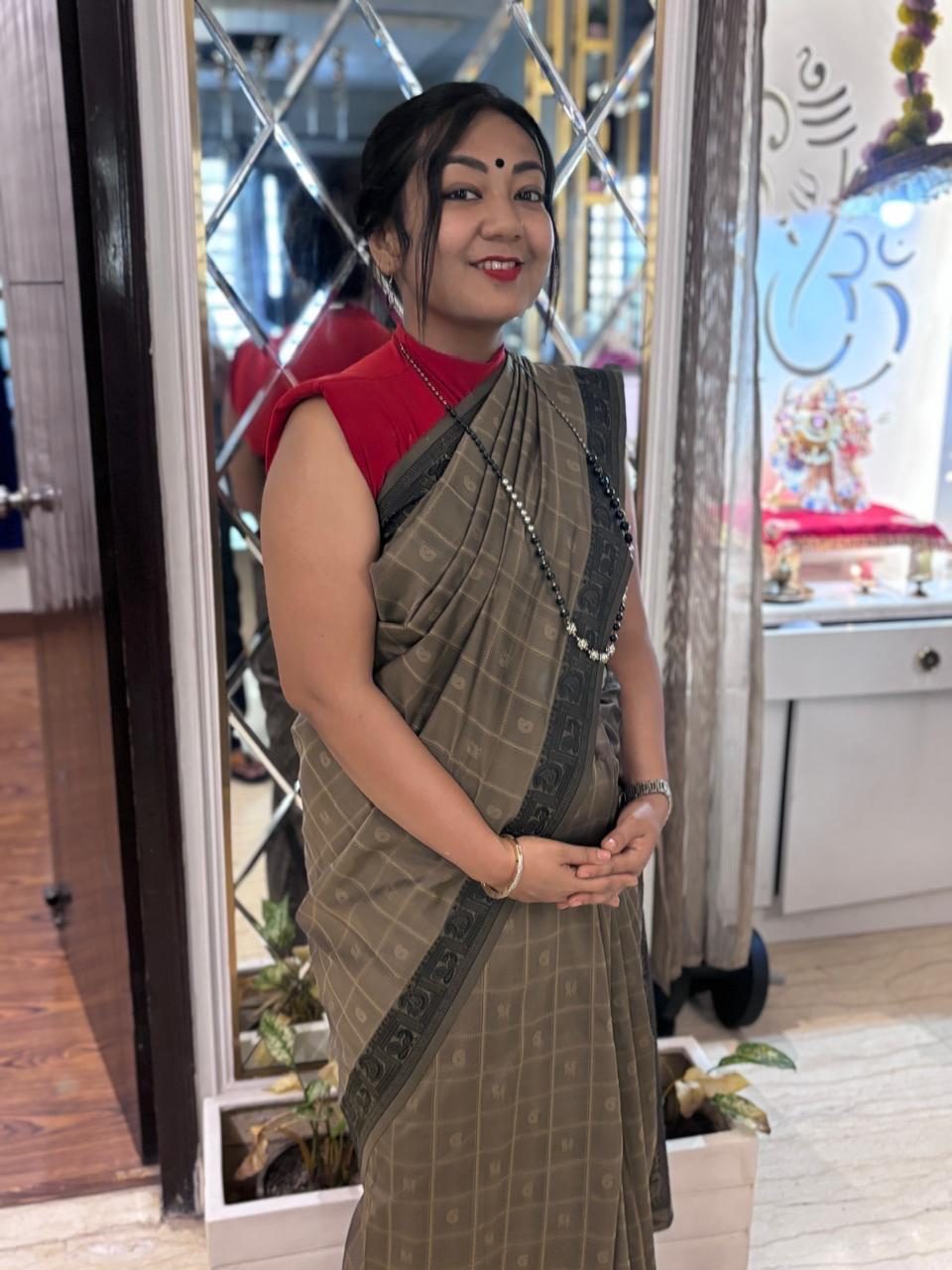
Bhawna Sahay
Bhawna is a compassionate changemaker whose work is rooted in her deep love for children. From an early age, she has championed inclusion for marginalised communities – supporting persons with disabilities and people living with AIDS, as well as helping establish inclusive schools in Jharkhand. As Director of Communication at NAB Delhi, she leads transformative projects for the visually impaired and drives corporate outreach, fundraising, and advocacy. Recognised for her empathy and impact, Bhawna has been awarded the Woman of Inspiration Award 2025 by Anta Seva Foundation and Woman Changemaker of the Year 2024 by SheThePeople magazine.
“Bhawna leads with empathy, always placing people before processes. She creates a safe space where every voice is heard – be it a student, colleague, or donor. Her ability to listen, respond with patience, and mentor her team with clarity has built an environment of trust and empowerment. During crises, she remains calm and ensures her team is emotionally supported. Her inclusive leadership style has increased team retention and morale, and her community-first approach has attracted strategic partnerships that align with NAB Delhi’s mission. Kindness isn’t just a trait – it’s her leadership foundation.”
– Akshita Thakur, Communication Officer, National Association for the Blind (NAB Delhi)
This is the version of leadership I strive to live every day. Because when kindness becomes your culture, impact follows effortlessly.
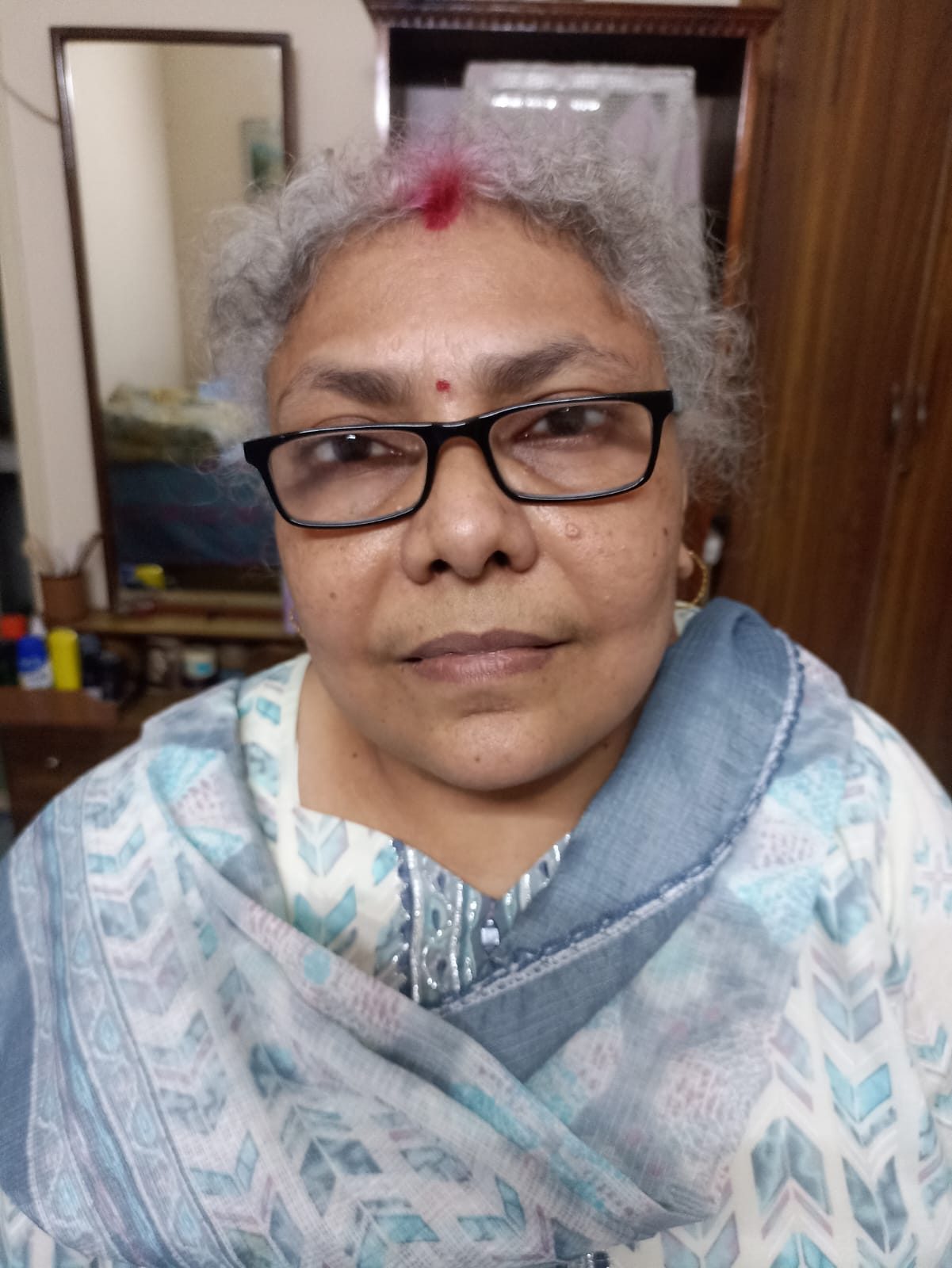
Ananya Dasgupta
Ananya has dedicated her career to teaching and mentoring economically marginalised youth. As AIWC Member-In-Charge for Youth Affairs, she has elevated mental health awareness. Her climate awareness and gender equality workshops have targeted disenfranchised young people and domestic workers. As Member-In-Charge for Solar Energy, she led five national solar fairs and trained women inmates in solar lantern assembly and disassembly, enabling post-release employment. She previously served 17 years as an English and science teacher, training thousands of students and winning numerous awards.
“Mrs Dasgupta’s leadership is defined by human-centric impact – empowering the marginalised, educating the underserved, and fostering hope. She has worked tirelessly to support school dropouts, slum children, and illiterate domestic workers through education, climate awareness, and gender equality workshops. … Mrs Dasgupta leads not from the front, but from within the community. Her presence is a powerful reminder that leadership driven by kindness and purpose can bring lasting change.”
– Akash Kumar Mandal, Principal Scientist, Indian Institute of Technology Delhi
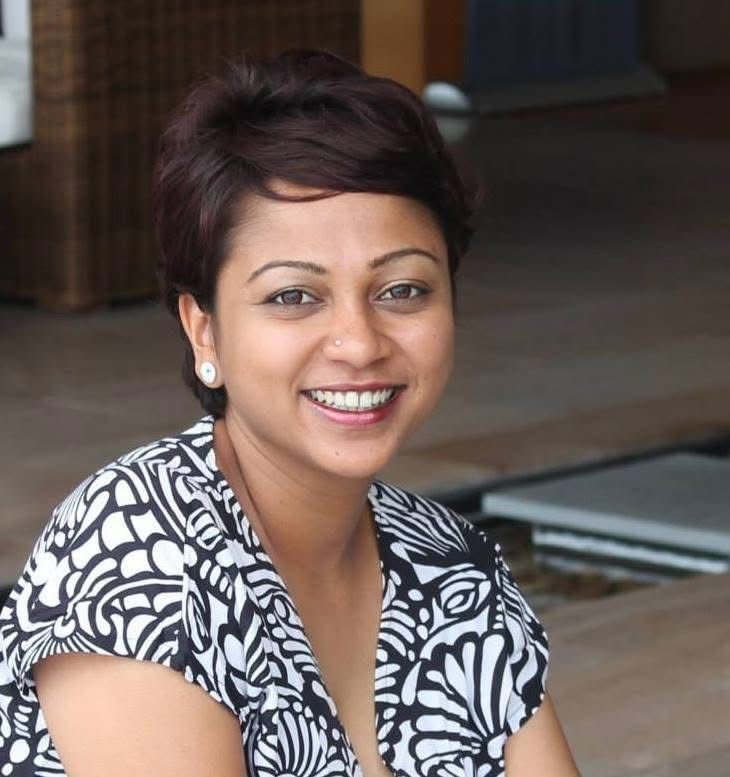
Ananti Rajasingam
Ananti is CEO at Yayasan Chow Kit (YCK), a non-governmental organisation that works closely with at-risk children, youth, and families in the Chow Kit area of Kuala Lumpur. Since 2006, YCK has cared for over 5,000 marginalised children, including those from violent families and environments, providing holistic support, including education, therapy, and safe shelter. Joining YCK as a social worker in 2009, Anati rose to CEO within seven years, applying her expertise in psychology and rehabilitation counselling to enhance the organisation’s impact. She is recognised for her skills in advocacy, fundraising, and networking to protect children’s rights in Malaysia.
“Ananti dedicates herself to advocating for vulnerable youth without seeking personal gain, fostering empowerment and resilience in the community. She also models kindness by maintaining emotional control and inclusiveness, ensuring fairness and equal opportunities within her organisation. She prioritises self-care to sustain her ability to serve others effectively. Her leadership inspires trust, humility, and courage, demonstrating how kindness strengthens both individuals and the organisation.”
– Hartini Zainudin, Consultant, Give.Asia

An Dongmei
A Senior Enterprise Solutions Architect at Amazon Web Services, Annie is recognised for her innovative work in emerging technologies, including AI. At AWS, and previously at IBM, she has led high-impact digital transformation projects across Southeast Asia, driving business outcomes for major industries such as financial services and telecommunications. Annie is also a passionate advocate for women at AWS and in the tech community, actively mentoring and leading workshops and community initiatives. Committed to technology for social good and inclusion, Annie is a driving force behind future-ready, human-centred innovation.
“Annie leads with empathy and intentional inclusion. Through ASEAN Women Builders, she connects nearly 90 women from 9 countries, creating a safe and empowering space across languages and cultures. Her mentorship isn’t symbolic – it’s a commitment. She coaches at least 4–6 women each year and has supported dozens through their career transitions. … Her leadership style fosters trust, transparency, and psychological safety – key drivers for innovation. The result? High-performing, inclusive teams that build solutions with both technical and social impact.”
– Sherrie Huang, Cloud Intelligence Lead, Strategic Customer Engagement, Amazon Web Services
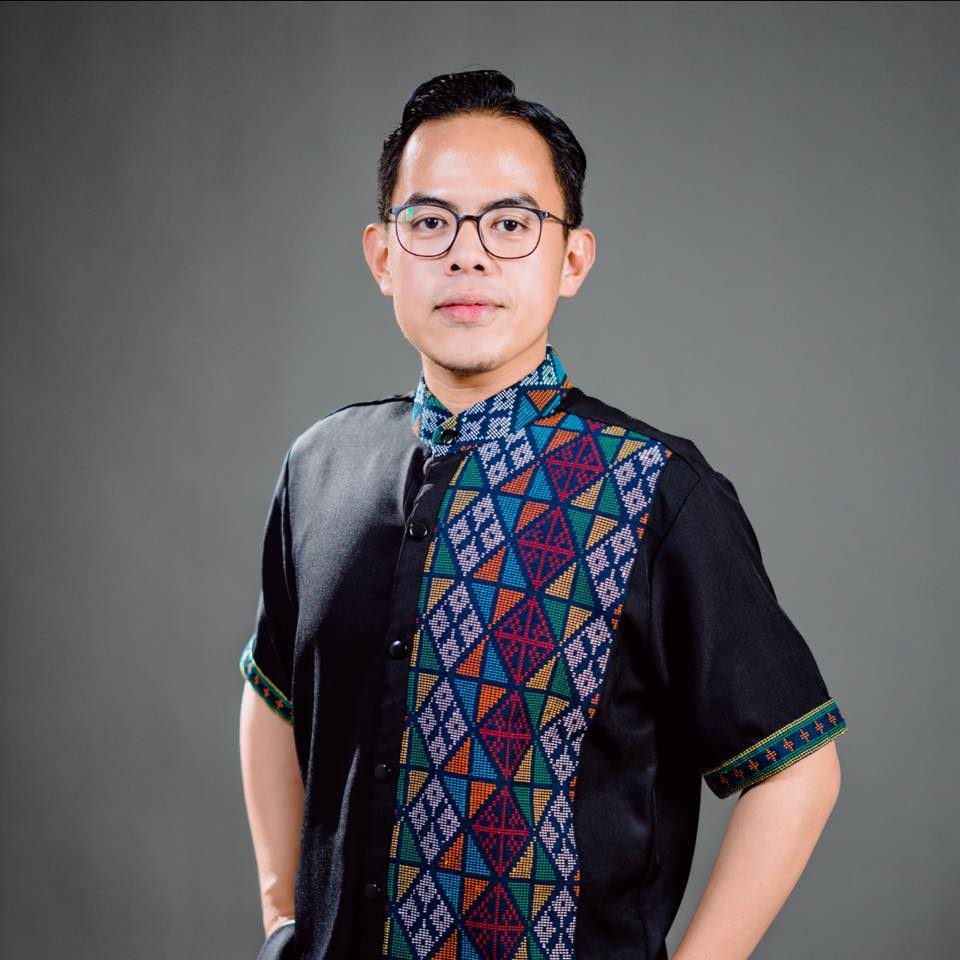
Abrar Jainuddin Hataman
Abrar is an entrepreneur born and based in the Bangsamoro region of the Philippines, an area deeply affected by war and conflict. His commitment to social impact ranges from empowering indigenous communities to reshaping the image of his hometown, Basilan. He is working to tackle multi-faceted challenges, including access to healthcare, education, and other basic services for local communities in rural, conflict-ridden areas. With a strong track record in community empowerment and humanitarian work, he was entrusted to serve the Bangsamoro Government as the youngest Member of Parliament in Philippine history.
“With deep authenticity and courage, Abrar champions not only indigenous people but all Filipinos who dream of a peaceful country. His leadership thrives on shared purpose, trust, and kindness – proving that true leadership isn’t about doing it all, but bringing others along for the mission. Abrar is testimony that even in the darkest places, kindness can still exist if we have transformative leaders who are truthful in bringing real systematic changes.”
– Alyssa Sahali Tan, Co-founder, MANGAN
As a public servant, I let compassion shape my approach and allow the community to be the author of its own solutions by constantly consulting them on what changes they want to see, tackling everything on a grassroots level. Acknowledge their dreams, pains, wisdom, and the ways they continue to resist and rebuild. Public service, in its truest form, is a shared relationship, not based on power but on solidarity and a dream for development. When you lead with empathy, you help restore trust in systems that may have once failed the people. You become part of something bigger than all of us, and that is nation building. And that is the most meaningful service of all.