
Our Listees 2024
Yina Chua
Before joining the National University of Singapore, Yina led initiatives to steer Singapore Polytechnic towards achieving net-zero emissions and embracing ESG principles. Her remarkable leadership has cultivated a culture of sustainability while driving transformation. Yina is also deeply engaged in grassroots activities, dedicating her weekends to serving the community. Her authenticity and generosity in sharing knowledge have been instrumental in empowering her teams to spearhead impactful initiatives. Yina’s leadership embodies kindness, compassion, and a steadfast dedication to creating positive change.
“Yina’s tireless efforts have led to significant progress in promoting sustainability. She was pivotal in establishing the Environmental Centre, a hub for industry support and sustainability initiatives. Her influence extends beyond her immediate team; she successfully motivated top management and all 1,400 staff members to commit to a nationwide sustainability pledge, fostering a culture of environmental responsibility.”
– Carol Tan, Industry and Sustainability Lead, Singapore Polytechnic
Yasmina Hasni
Following a career as a social worker and journalist, Yasmina founded AKAR Family, an early childhood education centre that supports the connection needs of young children. In 2021, driven by a desire to find solutions to the climate crisis, she created the educational social impact movement Peri Bumi. By engaging parents, caregivers, and educators, she is working to foster supportive environments that promote sustainable practices and safeguard children’s futures. Her commitment to education also includes curriculum development, healthy eating, and parenting community initiatives.
“Yasmina is a leader who treats all employees like family. She always provides space where everyone’s voice is heard in the decision-making process. She is always full of ideas and prioritises collaboration among team members and stakeholders so that effective work can be done together. She is always ready to give time and space for each team member to connect and to love and care for one another.”
– Rima Lestari, Community Manager, AKAR Family
Connection is the primary thing that every human being needs to live, and when it is made the foundation of a company, every policy, procedure, and quality standard in daily practice is imbued with a sense of mutual care and support.
Over the years, every consideration and decision-making process has been based on the strength of mutual belonging, as we help each other regulate emotions among work partners and consumers. We build close relationships with each other and work wholeheartedly to achieve the vision and mission we believe in together: building an interconnected society.
Therefore, the most important thing any leader can do to practise kindness is to build a core value that ensures everyone feels a sense of belonging and shares the same vision and mission. Interconnected means we are connected while still maintaining our individuality, pursuing personal dreams, and having a self-identity that does not have to be merged into a collective identity.
This builds a value that we all uphold in practising kindness.
Viviantie Sarjuni
Viviantie is a passionate and committed social entrepreneur who has been instrumental in pushing innovation and creativity across Sabah, the state with the highest poverty rate in Malaysia. She is currently leading SCENIC, a Ministry of Trade and Industry initiative that brings people, ideas, and resources together, encouraging entrepreneurs to build businesses that solve real-world problems. The organisation received a Top Tech Innovation Award in 2022. Viviantie is also the founder of Borneo Startups Community and Borneo Speciality Coffee, an SME promoting coffee beans from Borneo and improving the lives of rural farmers.
“Viviantie has created a workplace where kindness, respect, and support are key. This has led to happier employees, less turnover, and more creativity and innovation. Beyond the organisation, Viviantie has set an example for others, showing how leading with kindness can bring out the best in everyone and make a positive impact far and wide. Viviantie’s approach is a powerful example of how kindness in leadership can truly make a difference.”
– Larainn Jaminih, Manager of Corporate Services, SCENIC
Thin Thin Kyaw
The third-generation CEO of SP Bakery, Thin Thin is a trailblazer in Myanmar’s business sphere. Renowned for her innovative spirit and unwavering commitment to humanitarian causes, she has revolutionised the country’s bakery industry. Her steadfast dedication to employee safety and wellbeing, especially during challenging times, and her kind leadership amidst adversity highlight her remarkable personality and unwavering pursuit of excellence. She is President of the Myanmar Young Entrepreneurs Association and the International Federation of Chinese Bakery and Confectionery Association.
“By prioritising the safety and livelihoods of over 1,400 employees throughout COVID-19 and the military coup crisis, Thin Thin fostered a culture of genuine care and resilience. Her decision to keep operations running, coupled with philanthropic efforts to support vulnerable communities, showcases her compassionate leadership style, which not only uplifts her employees but also fosters loyalty and trust among stakeholders across generations.”
– Candy Khin, Chief Financial Officer, ThitsaWorks Pte Ltd
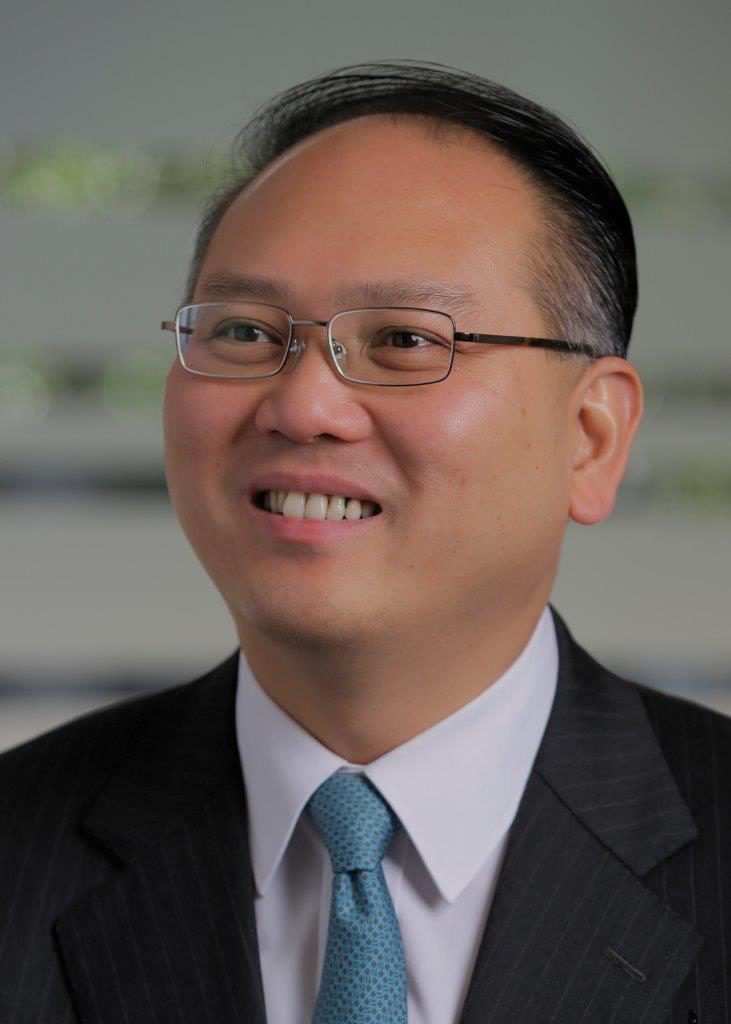
Swee Beng Neoh
Throughout two decades of fund management experience in both public and private markets across Asia-Pacific, Beng has cultivated strategic partnerships that balance social and economic impact. He served as CEO during AMP Capital’s strategic expansion into Asia and sat on the boards of AMP Holdings and AMP Capital in China and Japan. He has developed and launched innovative pension solutions that benefit customers with sustainable incomes and contribute to a fund that invests in social causes. Beng received Saïd Business School’s Most Outstanding Alumnus Award, AMLP, in recognition of his work.
“Beng has created a conducive environment for the success of cross-cultural teams in enterprises in the Asia-Pacific region. He has contributed to the convergence of emerging and developed economies by building successful fund management and pension businesses based on partnerships and strategic relationships between local and foreign businesses. Throughout, his focus has been on people.”
– Dr Lalit Johri, Professor, University of Oxford
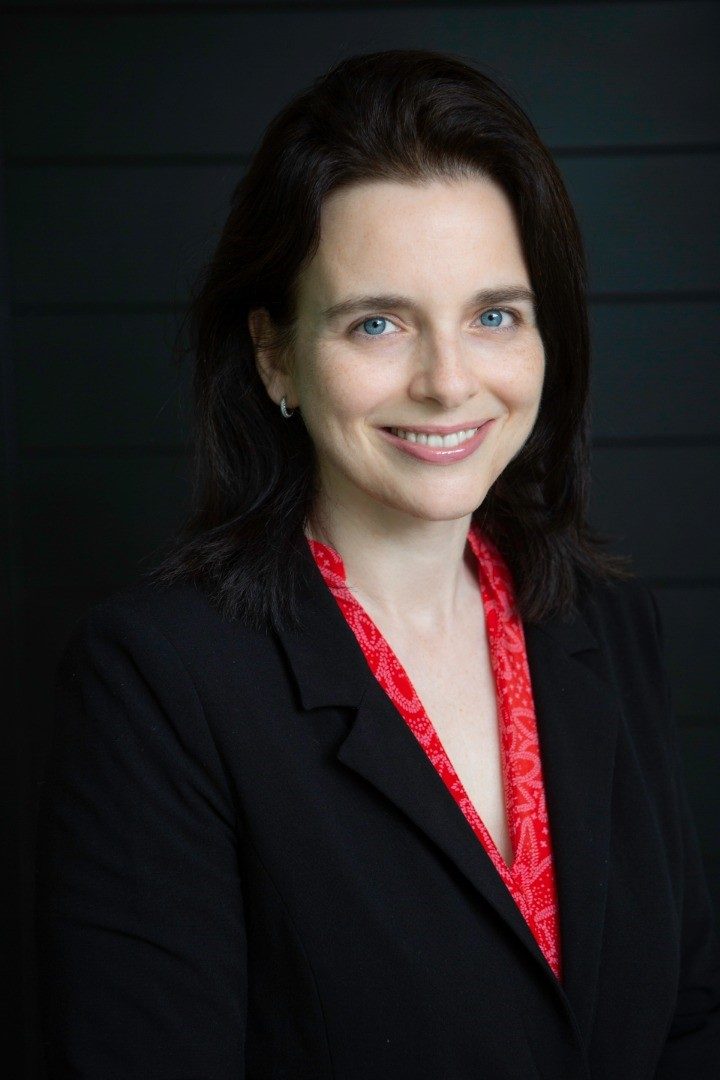
Suzanne Mooney MBE
A former BBC journalist turned activist, Suzanne started The Lost Food Project in 2016. This pioneering sustainable food bank in Malaysia rescued a whopping 2.28 million kilograms of food last year, the equivalent of over 6.5 million nutritious meals, and prevented 5.7 million kilograms of greenhouse gas emissions. Suzanne’s efforts led to the enactment of Malaysia’s first-ever food waste law in 2019, and the organisation was appointed as a strategic partner to Malaysia’s first national government-led food bank. Suzanne is the winner of the prestigious Merdeka Award and is also the founder of the The Lost Towel Project and The Surplus Pet Food Project.
“Suzanne is an incredible advocate for sustainable food systems, food security, and, ultimately, societal changes through bridging the hunger gap for vulnerable communities whilst preventing food wastage and reducing CO2 emissions. Everything that she does stems from her immense kindness and dedication to help people and the environment. Her work has inspired thousands of volunteers to make a difference.”
– Shea Pin Soo, Managing Director, Halcyon Days; Co-founder, Feith London
Subash Mani Singh
Chairman of Mani Trust in Kalimpong, Subash is committed to comprehensive community advancement, championing healthcare, education, employment, and environmental sustainability. His organisation has provided daily free meals to street dwellers for over a decade, distributing more than 100,000 food packets to date. His endeavours include reviving local crafts, pioneering organic farming initiatives, and promoting international youth exchanges. Acknowledged with prestigious accolades, his leadership transcends boundaries, fostering a culture of compassion and advancement throughout North Bengal.
“Singh embodies compassionate leadership by embracing inclusivity, empowering marginalised communities, and nurturing empathy and collaboration. His forward-thinking leadership not only ignites a spirit of giving in others but also nurtures a workplace culture where kindness flourishes. His dedication to social responsibility uplifts community spirits and also champions sustainable and environmentally conscious livelihood practices, harmonising profitability with meaningful purpose.”
– Rubaiul Murshed, Chairman, Shomman Foundation
By putting others' needs before our own, we create a harmonious and supportive global community.
Be kind and be the change!
Som Borey
After studying on a scholarship in China, Borey worked as an accountant in the private sector. She then decided to realise her dream of training the next generation in business skills and financial competency. At the Academy of Careers and Technology she fulfils a dual role as school accountant and accounting and business management instructor. During her three years at ACT she has taught more than 80 students. Her commitment to education shines, and her examples of kindness and leadership make her a true rising star in the institution.
“Honesty, putting others first, seeing the best in others, and dedication are characteristics that Borey always exhibits. She nurtures her students to be the best version of themselves. She has led many projects with students to help them start their own businesses and even assist students to get scholarships for university. Even when going through her own struggles, she has supported students to succeed in the national exam and even start their own businesses.”
– Martalia Lo, Founder & CEO, Academy of Careers and Technology
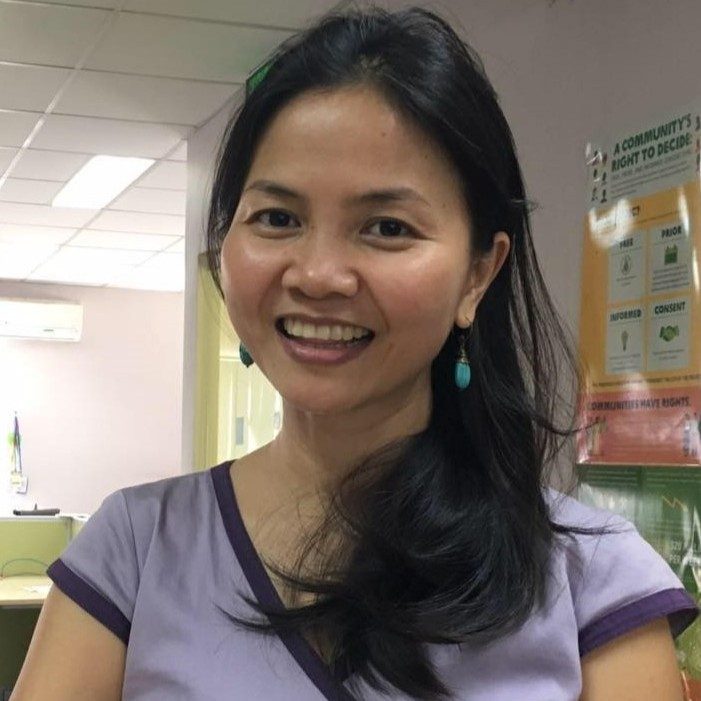
Solinn Lim
Solinn is a Cambodian social and environmental justice advocate, an independent mediator, a partnership broker, a social entrepreneur, and a government relations strategist. She founded Saddhā to mobilise values-based collaborative leadership across the commercial, public, and social sectors with the aim of effecting transformative change. She is also the co-chair for the WEF skills accelerator for Cambodia. Throughout her career, she has held senior leadership positions in various international development, environment, and human rights agencies across Asia and in Europe and the United States.
“Solinn is the embodiment of empathetic leadership for those who are vulnerable; she is not shy of bringing a spotlight to critical issues that will benefit the lives of many. She has a way of mediating between powerful government agencies and vulnerable people and fostering innovative solutions for the greater benefit of both parties. She stands for the weak and vulnerable and actively champions their causes.”
– Martalia Lo, Founder and CEO, Academy of Careers and Technology Cambodia

Sineenuch Kokanutaporn
Sineenuch heads up one of the world’s leading producers and distributors of natural rubber and crude palm oil, and one of the largest integrated producers of bioenergy in the Eastern Economic Corridor. Under her leadership, Thai Eastern Group Holdings has become an award-winning model of sustainability. The company was listed on the Thailand Stock Exchange in 2022 with an emphasis on transparency and its positive environmental impact. Sineenuch has spearheaded initiatives in eco-product development, renewable energy investments, and community engagement for a greener Thailand.
“Sineenuch has cultivated a supportive and collaborative work environment where team members feel motivated, valued, and empowered. Through her promotion of fairness and equality, she fosters an inclusive work environment where Thai and foreign staff have equal opportunities for success. Her leadership extends to environmental stewardship, with initiatives to conserve biodiversity and promote sustainable practices among farmers, while increasing their income.”
– Savanit Boonyasuwat Srilerdfah, Committee Member, ESG Specialist Network of Stock Exchange of Thailand

Sherine Chng
Sherine leads the pursuits, business development, and corporate communications efforts at Asia Infrastructure Solutions, whilst also spearheading initiatives to optimise GISI Asia’s corporate infrastructure for operational excellence. She ensures ethical and sustainable practices are upheld, setting a precedent for industry standards and exemplifying her commitment to driving positive change within the sector. She previously directed the business development team for a government-affiliated infrastructure and urban development consultancy and also launched a multi-label, award-winning kids’ apparel business in Singapore.
“Sherine’s impact on the company’s culture and the built environment industry extends beyond her roles in marketing, communications, and corporate development. She actively promotes a culture of inclusivity and collaboration within AIS, fostering a supportive environment. Sherine’s dedication to community engagement initiatives not only enhances the company’s reputation but also fosters goodwill within the built environment industry.”
– Rezani Ramli, Marketing Communications Manager, Asia Infrastructure Solutions
Regularly recognise and reward acts of kindness to reinforce this behaviour, making it clear that such actions are noticed and appreciated.
Implement policies that promote work–life balance, inclusiveness, and community support. These measures demonstrate a commitment to the wellbeing of both employees and the broader community.
Provide training and resources to help employees understand and develop emotional intelligence skills, and promote bonding activities among leaders.
Key principles: Praise often, ask, show concern, and treat everyone like family.
These simple actions can transform your workplace into a vibrant, supportive community where everyone thrives.
Seang Sereirathana
For the last 20 years, Sereirathana has dedicated her life to education. She began her career as a public school teacher, and her primary strength is working with children from difficult backgrounds. Whether from marginalised communities, living in poverty, victims of abuse, or struggling academically, Sereirathana approaches every student with compassion and patience. She joined the Academy of Careers and Technology as a history teacher in 2017 and through growth and dedication is now in a leadership position, safeguarding the wellbeing of staff and students.
“Rathana’s leadership style is characterised by her quiet strength and calm demeanour. She’s not one to rush into decisions; instead, she carefully considers each situation with thoughtfulness and compassion. Every choice she makes is rooted in a deep sense of care and respect for others, always aiming for the greater good. Her ability to stay calm under pressure serves as a beacon of strength and inspiration for us all.”
– Ek Chendamony, Founder & CFO, Academy of Careers & Technology
Lead by example; be generous and fair, and show genuine concern for everyone, regardless of their role. Organise activities that promote teamwork and kindness, such as charity events or community projects. Recognise and reward acts of kindness to reinforce their importance.
Maintain open communication and ensure everyone feels heard and valued. Emphasise the importance of mental wellbeing and provide resources for support. Consistently demonstrate these values in your actions and decisions, creating an environment where kindness is a core part of the company’s identity.

Sabrina Tamayo
Through Project SMILE, Sam collaborates with early-stage social impact startups, overseeing a network of over 600 members. This youth-led nonprofit fosters collective action and inspires volunteers to improve their local communities; to date, it has impacted the lives of over 50,000 Filipinos in need. She also serves as the local Managing Director of Ribbonfish, a leading tech consulting firm for media and publishing companies. Additionally, Sam shares her resources and expertise with other organisations, including the National Economic Development Authority and UN Women Asia and the Pacific.
“Sam’s leadership impact through kindness is multilayered. At the individual level, she directly aids families in need. Within Project SMILE, she fosters a culture of dignity and growth. Globally, she advocates for fairness and connectivity, fostering inclusivity and collaboration. Sam’s kindness doesn’t just benefit those around her; it catalyses positive change on a significant scale.”
– Apple Grace Bonhoc, Educator, Ateneo de Davao University
Authenticity: Encourage everyone to model genuine kindness. When actions stem from true care, they inspire employees to follow suit, fostering a sincere and compassionate environment.
Community: Cultivate a sense of belonging. Promote team-building activities and open communication, ensuring everyone feels valued and connected. A strong community nurtures mutual respect and support which is integral to a productive atmosphere.
Empowerment: Empower everyone to practise kindness. Provide them with the tools and opportunities to help each other, whether through mentorship programs, recognition initiatives, or volunteer opportunities. Empowered employees are more likely to take initiative in spreading kindness, creating a positive and inclusive workplace.
By practising the principles of Authenticity, Community, and Empowerment, companies can organically integrate kindness into their culture, enhancing employee satisfaction and organisational success.

Rozella Marie Mahjhrin
Rozella is a diversity, equity, and inclusion advocate and trainer who founded True Complexion (TC) in 2015. Initially conceived as a platform to share the stories of individuals living with disabilities and medical conditions, TC has evolved to collaborate with various brands and companies. Rozella assists her clients in developing inclusive marketing and advertising campaigns that positively represent the community. She also works with clients to initiate cultural change through DEI training programmes for their employees, covering topics such as unconscious bias, self-acceptance, and inclusive leadership.
“DEI is more than a mere title for Rozella; it’s a way of life. She wholeheartedly embraces these values and strives to integrate them into her daily interactions and the projects she undertakes. This commitment is rooted in her personal history of growing up with a birthmark on her face, enduring discrimination and exclusion. Dedicated to fostering a welcoming environment, she actively seeks ways to showcase the stories and talents of her community.”
– Dr Sivakumar Kumaresan, Director & Purposeful Leadership Trainer, Mindsight NLP
Implement inclusive policies that ensure equal access to resources and opportunities for everyone. However, policies alone are insufficient; they must be accompanied by a culture of open communication where employees feel safe to share their experiences without fear of stigma. Encouraging openness allows experiences to be met with understanding and support.
Recognising and celebrating the unique contributions of all employees fosters a sense of belonging and appreciation. Establishing support networks, such as mentoring programmes, provides continuous support and connection. By prioritising psychological safety and understanding, companies can cultivate a culture of kindness that genuinely supports all employees.

Rovina Manuel
At Otermans Institute, an organisation working to upskill global learners through AI, Rovina has transformed a dispersed team into a close-knit family. She’s turned remote interactions into heartfelt connections, introducing virtual lunches and kindness days that bridge distances and build a collective spirit among all members of the company. Her kindness, her non-judgmental ear, and her fearless advocacy for her team’s wellbeing have become her hallmark. Rovina’s passion extends to leading the company’s CSR Digital Impact Training wing, educating hundreds of marginalised students every year.
“Rovina manages the happiness and wellbeing of all 21 employees at Otermans Institute. This is an extremely important aspect of the company given that the employees work remotely and across five countries. When Rovina joined, the People function was very formal and ineffective. Since joining she has made it very personable and almost gives the entire team a feeling of being together in-person.”
– Dr Pauldy Otermans, COO, Otermans Institute

Renée Smith
Renée helps leaders across NTT’s business inspire, engage, and inform employees while fostering a culture of listening, empathy, and appreciation. Since taking up her role as Senior Director of Employee Engagement and Internal Communications, the business has seen employee engagement jump from a negative eNPS score to positive double digits, on par with other leader technology companies. Renée fundamentally believes that we are made kind by being kind, and hopes that in every interaction she leaves the other person feeling better than they did before.
“As leader of our employee engagement and communications team in the region, Renée has a direct influence on how we shape our culture and increase a sense of belonging among employees, who need to be heard and believe in the strategies the leadership team has crafted. She has been instrumental in ensuring nothing gets lost in translation. This is a completely new function that Renée has taken on, and she made it seem like second nature.”
– Grace Lam, Chief of Staff (Asia Pacific), NTT DATA, Inc.
Poht Poht Kyi
Poht founded Myanmar Imperial University when she was just 18 years old. Two decades later, it has become one of the most prestigious private universities in Myanmar, fostering a close-knit network of more than 5,000 graduate alumni and 1,500 registered, active students. Poht’s mission is to foster a culture of excellence, diversity, and social responsibility at MIU, and to contribute to the advancement of education and research in Myanmar and beyond. She has been a guiding star across the university, instilling students with a passion for learning and a sense of confidence.
“Poht has shown what it means to be a working woman in a traditionally conservative society, with the courage to keep breaking the boundaries for herself and others. In her working life, as well as her everyday life, Poht demonstrates integrity, empathy, and a genuine concern for the wellbeing of others. Her leadership style is authentic, and her decisions are always led by her compassion and fairness.”
– Mya Pwint Chit, Marketing Coordinator, Myanmar Imperial University
May kindness be your strength.
Be kind to others and be kind to yourself.
Kindness is not a choice; it is your responsibility.
Being kind is not a weakness.
Being kind is a superpower.
Treat others with your kindness.
Lead your team with your kindness.
Treat your customers with kindness.
Share kindness with your family.
May kindness be your strategy and not a weakness.
We need kindness in our society.
Let’s create a great community with kindness and love.
Let’s shape the future with our kindness.
Let’s share love and create a social impact.
Let’s be kind, share love, and respect.
Nor Azniza Ishak
Nor Azniza began her career 25 years ago as an alignment engineer for highway and railway design. Since then, she has played a pivotal role in several major innovative infrastructure projects in Malaysia, leading to improved efficiency. In her leadership roles at T&T Konsult (now Asia Infrastructure Solutions), she has cultivated an environment where kindness and inclusivity thrive, allowing team members to feel valued and empowered. She is a committed champion of diversity and inclusion, valuing both technical excellence and the wellbeing of her colleagues.
“Nor Azniza fosters an environment of empathy and support, empowering team members. Her compassionate leadership not only enriches the lives of her colleagues but also drives tangible business success, as evidenced by heightened productivity and client satisfaction. Her approach demonstrates that kindness isn’t just a virtue; it’s a powerful catalyst for success in both business and human terms.”
– Izyan Nazihah Nor Azman, Senior Engineer, Asia Infrastructure Solutions
Respect, inclusivity and diversity | Show respect for all cultural backgrounds. Encourage everyone to share their traditions and practices, creating a richer, more inclusive culture.
Effective communication | Listen actively and communicate clearly. Understanding different communication styles helps bridge cultural gaps and shows respect for diverse perspectives.
Empathy and understanding | Practice empathy by trying to understand others' viewpoints and experiences. This can strengthen relationships and promote a supportive atmosphere.
Support and fairness | Ensure fair treatment and opportunities for all employees, regardless of race or background. Providing equal support fosters a sense of belonging and respect.
Niharika Ranawat
Niharika is exceptionally committed to team development, inclusion, upskilling, and process improvement. As a three-time Diversity Ambassador nominee, she champions diversity in hiring and interactions, fostering respect within HSBC teams. Her advocacy for continuous learning drives growth initiatives. Moreover, Niharika actively seeks to enhance processes, streamlining workflows and maximising efficiency, embodying the qualities of a forward-thinking and impactful team member. She has run several employee resource groups at HSBC and is an active believer in giving back to the community.
“Niharika leads by example. Her empathetic approach creates a culture of support and collaboration, fostering trust amongst team members. By prioritising the wellbeing of others, she inspires loyalty and commitment, boosting morale and productivity. Niharika’s ways of working not only strengthen team dynamics but also cultivate employee satisfaction, leading to increased engagement and ultimately driving business success through enhanced performance and retention.”
– Dr Paolo Adragna, Senior Lead Developer, The London Stock Exchange Group
Celebrating everyday acts of kindness is vital. Whether through simple thank-you notes or shout-outs in meetings, recognizing these moments makes a difference. Training in emotional intelligence can also enhance the ability to support one another effectively.
Seeking feedback regularly ensures that everyone feels valued and included in the journey together. By embracing kindness in daily interactions, a positive and uplifting workplace is created.
As the Dalai Lama beautifully said, “Be kind whenever possible. It is always possible.

Nai Yi Htoon
Although she grew up in a remote area, Nai Yi’s hard work and diligence have led her to a senior position in a large organisation in Yangon. She previously worked as a teacher before taking charge of teacher recruitment, training, and development at SPACE for ALL, a nonprofit organisation offering English language instruction. She leads free internship programs for young individuals who are passionate about teaching English, training them to become professional educators and connecting them with job opportunities at language schools in Myanmar. She also helps with curriculum development in monastic education.
“Young people in Myanmar are facing numerous challenges such as being unable to continue their university studies or losing jobs due to participation in civil disobedience movements against the military coup. Nai Yi has aided over 40 youths, most of whom have secured well-paid jobs in the teaching profession. Her support continues with advice and training opportunities throughout their professional journeys.”
– May Mon Aung, Managing Director, Lingo Ace Co. Ltd
Before you blame someone for not doing something right, try to understand the reason behind the mistake. Put yourself in their shoes and ask 'Is that really their fault?' Why shout when you can convey the same message calmly? Why use harsh words when kind words also have the same effect?
Positivity, love and kindness are contagious. The love and kindness you show to someone can pass on to others they meet. Don't tell people how to behave – lead by example. Make kindness a habit in the workplace.
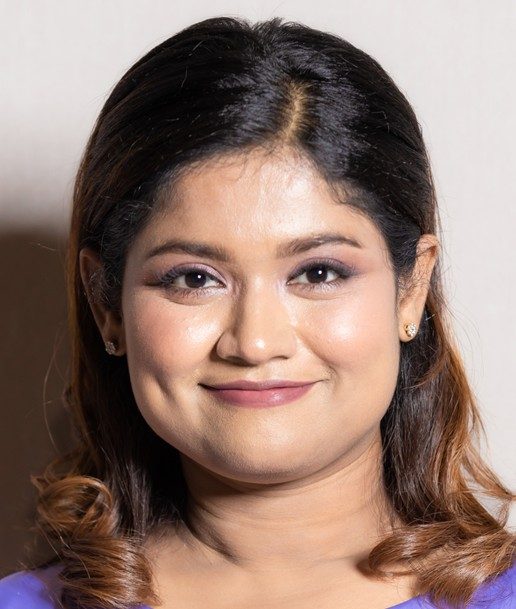
May Tharaphi Win
Co-founder of the SPACE Language Academy, Theraphi now leads its faculty, which is over 90% female. She is not only a passionate teacher but also an advocate for her team members. Throughout the economic downturn caused by the pandemic and the political crisis in Myanmar, she has worked to secure employment opportunities for teachers by initiating new programs and providing additional training to equip her staff with the skills necessary to adapt to new trends and challenges. She maintains an unwavering commitment to ensuring her teachers have the personal and professional support they need to thrive.
“Theraphi advocates for and implements policies of equality and inclusiveness. Her compassion has no limits. In a patriarchal society, the challenges are immense, particularly for women from minority backgrounds. Yet, Tharaphi is committed to protecting and empowering women from her organisation and their families, regardless of their religion, background, or ethnic group.”
– May Mon Aung, Managing Director, Lingo Ace Co.Ltd
Secondly, seek ways to promote work–life balance for employees since the personal life of each and every employee matters.
Last but not least, always remember to appreciate the efforts of team members – compliments and praise can create a positive workplace, where people feel valued and supported.
Le Quyen (Cindy) Vuu
Cindy is the youngest female CEO of Biti’s, a 42-year-old award-winning Vietnamese footwear brand that also manufactures for several well-known international companies such as Clarks, Decathlon, Skechers, and John Lewis. Cindy’s signature Happy Biti’s initiative has reshaped Biti’s culture, fostering a nurturing atmosphere for 8,500 employees. She also initiated the Biti’s Happy Kids project and supported the Happy Schools project. Through all these efforts, Cindy strives to cultivate communities for working and learning that are happy and effective, ensuring Biti’s is a force for good.
“As a servant leader, Cindy redefines success, advocating for a sustainable, compassionate economy, emphasising self-awareness and care for the Earth. Her approach empowers her team, fostering their potential and advocating for holistic growth and equal opportunities. Rooted in integrity, authenticity, and truthfulness, Cindy’s transformative leadership aims for societal fulfilment.”
– Giang Nguyen, Sustainability Manager, Biti’s
Initiate a kindness project like our company Happy Biti’s project to set the intention, the methodology, and the practice for the entire organisation.
Always acknowledge and reward kindness within the organisation, reinforcing the value of kind behaviour, and promoting people with kind actions.

Kishan Nanayakkara
Kishan has over 30 years of senior management and board-level experience in sectors ranging from manufacturing to financial services. At Resus, he and his team have built a successful renewable energy company that benefits indigenous people. In 2019, Kishan won the Most Outstanding Alumnus Award, AMLP, from Oxford University’s Saïd Business School for major contributions in the field of sustainability and raising living standards. He has maintained a steadfast commitment to uplifting communities and safeguarding both the wellbeing of Resus’s workforce and Sri Lanka’s renewable energy industry.
“Kishan’s leadership is characterised by empathy and authenticity. In the post-COVID economic crisis, he ensured that employees came first and paid salaries, wages, and incentives on time by borrowing money from banks. He demonstrated his leadership and courage as the only CEO of a listed company that played an activist’s role to get the government’s attention to safeguard the interest of the country’s renewable energy industry.”
– Dr Lalit Johri, Professor, University of Oxford

Kevin Koh
As Head of SMU-X, the experiential learning unit of Singapore Management University, Kevin pioneered the Industry Experiential (INDEX) symposium, an international movement for experiential learning. He also spearheaded a scholarship programme allowing financially needy undergraduates to apply for overseas programmes without fear of burdening their families with extra expenses. Kevin believes in providing opportunities and is a dedicated mentor. He is also an educator, holding previous teaching positions in schools and higher education, as well as serving as a high school assistant principal.
“Kevin has been acknowledged by the university and the international experiential learning realm for going the extra mile to accord people with dignity and respect and to set people up for success. He’s a true servant-leader at heart. Under his capable, empowering, and respectful leadership, the team has flourished and grown in competencies and capacities. He has led the team in working with top industry partners and enabling up to 86% of students to benefit from at least 1 SMU-X programme.”
– Yvonne Kong-Ho, Deputy Head of SMU-X, Singapore Management University
Establish open feedback channels for employees to safely share experiences and suggestions. Provide opportunities for team members to develop empathy and enhance their skills in emotional intelligence and effective communication. Recognise and reward acts of kindness at all levels – team, division, and company – to reinforce positive behaviour and encourage others. To reinforce the importance of kindness, both within and outside the workplace, companies can encourage community engagement to address societal issues and challenges
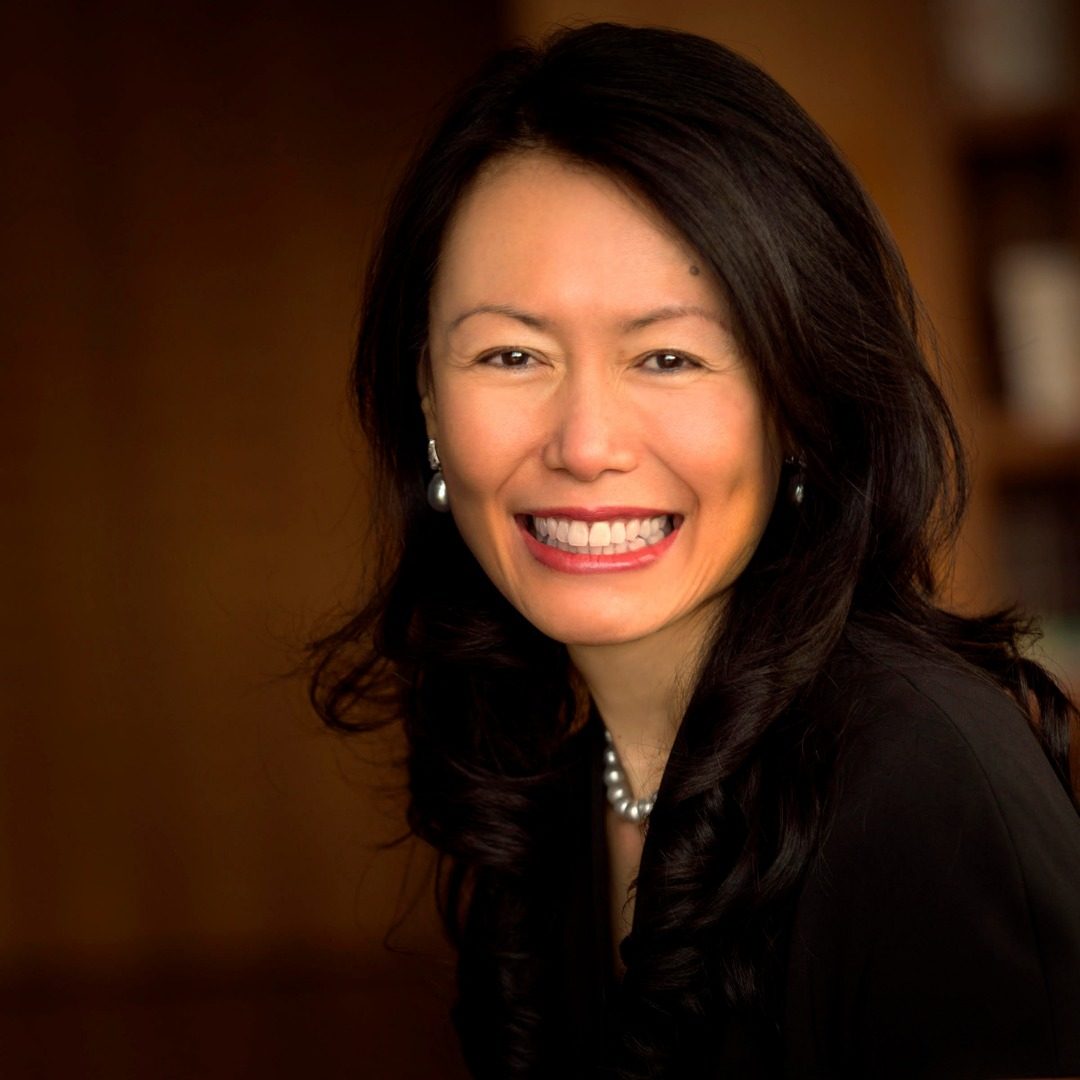
Kathleen Chew Wai Lin
Kathleen is part of YTL’s senior management, heading a team of lawyers in the group’s corporate headquarters. She also holds a leadership role in the YTL Foundation, which provides equitable access to quality education and develops capable values-driven leaders. She sits on the boards of several charities, including the Asia Philanthropy Circle in Singapore and Acumen Fund, Inc. in New York, and is Chairperson of Hospis Malaysia and Alpha Malaysia. Kathleen is also the founder of Mangosteen Organics, a socially-conscious luxury bath and body brand that uplifts women and children in Southeast Asia.
“Dato’ Kathleen has made huge impacts in education across Malaysia through the disbursement of hundreds of scholarships for local students pursuing tertiary education and the embrace of technology and collaborative learning, which she has championed since 2011 across Malaysian public schools. She also personally championed YTL’s support of Teach For Malaysia, teaching in schools during TFM Week and engaging other corporates to support the work of TFM.”
– Shea Pin Soo, Managing Director, Halcyon Days; Co-founder, Feith London

Kamonrat Mali Chayamarit
Mali founded Malibarn, one of the leading florists in Southeast Asia, in Laos in 2016 and moved operations to her hometown of Bangkok in 2023. Malibarn is the first and only member of the Sustainable Floristry Network in the region, demonstrating Mali’s commitment to reducing the harmful impacts of the floristry industry on people and the environment. She is also a Culture Programme Officer with UNESCO, working across heritage disciplines, as well as a determined advocate for village development and poverty reduction.
“Malibarn first began when Mali decided to help a local community in Luang Prabang by supporting them to switch to a more profitable business of flower cultivation. She guaranteed to purchase all their production and to use some of the money to improve their school and facilities… Her kindness is visible in how she only follows sustainable practices and it is particularly visible in how she treats her staff, customers, and business partners – with respect and compassion at all times.”
– John Pearson, Deputy High Commissioner, British High Commission Wellington
I can say with confidence, we all have misery in our lives – one way or another.
Thus, in my everyday life, and throughout my career, I always bear this fact in mind for everyone I encounter – that is why I make kindness and compassion my way of life. An art of living. Malibarn – a flower shop started in Lao PDR in a small village because of love, compassion and kindness. As of now, Malibarn, eco-florist and herbarium has been covered widely in social media as a flower shop that does good to the environment, and the villagers in Thailand. At Malibarn, we do not only sell flowers but we teach people about plants through botany and share the indigenous knowledge of Pgakenyaw people in Hin Lad Nai sacred forest in Thailand. I believe that only when we can relate our lives with all living beings, we shall learn to care about one another animate or inanimate.

Joshua Caeiro
Although he has only led his team at Rio Tinto since January 2023, Joshua has already initiated and implemented a number of key changes that have streamlined procurement and given his colleagues the ability to provide more value to stakeholders. His ability to build relationships and instil trust has been instrumental in aligning different parts of the firm. He builds on over a decade of corporate legal experience, as well as time spent running his own business. His colleagues commend his ability to create a positive and happy work environment.
“Joshua has been relentless in forging a culture of empowerment and respect within his team. He has created stability, is generous with his time, and is always happy to provide guidance if needed. Joshua asks questions about, and genuinely shows interest in, his colleagues’ wellbeing and never forgets a birthday! While Joshua is collaborative and actively seeks and considers input, somehow he still manages to keep projects on track.”
– Jo Norris, Corporate Counsel, Rio Tinto
This includes prioritising flexibility and work–life balance to support the health and wellbeing of your team and their families, as well as empowering your teams to manage their workload and personal lives by shifting the focus from rigid 9–5 work schedules to results and performance.
Additionally, a company should actively promote inclusivity and cultural awareness while providing training opportunities for both soft skills like communication and leadership, as well as technical skills relevant to their roles.
On an individual level, everyone should be encouraged to embrace benevolence in their interactions with colleagues and recognise the shared goal of supporting the company’s success.
These actions collectively build a culture where kindness is ingrained and contributes to overall employee satisfaction and organisational success.
Jia-Lin Yeap
Jia-Lin leads the FMO Fiduciary and Fund Services Operation team for Standard Chartered, where she supports her colleagues to find their own purpose by developing their talents. Her team commends her ability to spark their drive to succeed, boost confidence, and create stability even in challenging circumstances. During a period of huge turnover, Jia-Lin demonstrated her resilience in keeping the team motivated. At same time, she provided support and opportunities to team members, successfully bringing up five rising stars, resulting in a departmental award.
“Jia-Lin possesses excellent leadership skills. She is very confident in her role as a group leader in which she can get the most out of everyone on her team. She is also fair and treats every employee in the team equally and with respect… She can definitely be relied upon by team members, and she is also a great coach. Even when disagreeing with others, she does it with grace and respect.”
Jennifer Lopez
Jennifer has led the British Malaysian Chamber of Commerce since 2018, first as Executive Director and then CEO, providing strategic leadership to build partnerships and foster trade relations. She has been instrumental in steering the BMCC to become a high profile and well-respected chamber in the ASEAN region. Her warmth, calm, and kindness motivate the British and Malaysian business communities, encouraging a ‘one team’ ethos across organisations. Jennifer was formerly a chartered accountant with a versatile career including serving as Head of Malaysia at ACCA for five years.
“Jennifer engenders a spirit of collaboration and mutual respect among members and key stakeholders of BMCC, allowing them to collaborate and thrive. Jennifer’s unwavering commitment to member advocacy and remarkable ability to connect businesses and government agencies for success are testament to her effectiveness. Her kindness isn’t just a pleasant quality but a strategic strength inspiring loyalty, dedication, and a willingness to go the extra mile.”
– Ailsa Terry, British High Commissioner, British High Commission Malaysia
Being mindful of team members’ welfare and concerns is crucial. Managing expectations to prioritise wellbeing demonstrates sincerity and support for the team.
Constantly treating everyone with respect, showing empathy and being approachable are fundamental to kind leadership.
Additionally, recognising not only achievement but also efforts put into the work even though outcomes aren’t perfect goes a long way. Providing honest, constructive feedback and ensuring it is understood that it is given in the interest of the organisation and the team member’s personal development is important.
Kindness comes from the heart. Team members truly appreciate it when leaders take the time to show small acts of kindness.

Jenica Dizon-Mountford
Since joining Waves for Water as a volunteer in 2015, Jenica has become a driving force behind the organisation’s impactful initiatives that have expanded clean water access and supported millions through disaster-response and community-building efforts in the water, sanitation, and hygiene sector. Her professional journey reflects her unwavering commitment to nation-building and empowering others. With a career spanning various roles in tourism, corporate sustainability, and environmental policy, Jenica adeptly collaborates with diverse groups and individuals from all walks of life, guided by empathy and respect.
“Jenica’s leadership transcends achievements; it cultivates meaningful grassroots connections, ensures continuous learning through youth mentorship, and nurtures sustained relationships. Rooted in kindness, her leadership style sparks creativity, fostering an empowering environment where collaborators flourish. Consequently, the organisation enjoys robust stakeholder engagement and retention rates, with former interns becoming advocacy champions in their workplaces.”
– Andrea Manalac, Former Communications and Partnerships Officer, Waves for Water

Hugh Andrew
In over 35 years of managing property assets, Hugh has been a champion for inclusion, belonging, sustainability, and professional development. As Managing Director at Black Rock, he was responsible for the firm’s Asia Property Funds, and at Hongkong Land he was Chief Representative in India and held a number of senior positions in Hong Kong. He is now Executive Vice Chairman at PETRA Group, building businesses that provide sustainable solutions to challenges facing humanity. He is also Emeritus Fellow of the Royal Institute of Chartered Surveyors and Secretary of the Junior Rugby Committee Singapore.
“Hugh is the best manager I’ve ever had. His impact on me has been finding purpose and happiness in what I do. He is the reason I am now an industry leader in sustainability. His approach goes beyond management; it nurtures growth. With Hugh, it’s not just about achieving goals; it’s about fostering a culture of empowerment.”
– Wincel Kaufmann, Former Head of Sustainable Investing, Black Rock

Hue La
As MD of Van Dat, a leading manufacturing and industrial real estate company in Vietnam, Hue spearheads human-capital development, prioritising the continuous growth and wellbeing of her company’s 200+ employees. She is committed to cultivating a culture of fairness, inclusivity, empathy, and kindness. Her dedication to compassionate leadership has gained widespread recognition; she was given the Women Leader Award at the ASEAN Business Awards 2023. She is also a Community Champion for the World Economic Forum’s Global Shapers Community, which gathers young leaders to tackle local, regional, and global issues.
“Hue ensures equal opportunities for employees to reach their fullest potential through comprehensive soft skills, DEI, and language training, as well as mentoring and CSR programs like wellness sessions for working mothers and financial-support policies. Leading by example, she consistently exhibits empathy and actively listens to the concerns, ideas, and feedback of employees. This fosters a supportive environment where everyone feels heard, valued, and respected.”
– Van Do, CEO, Van Dat
Engage in active and empathetic listening and encourage open communication within the company to ensure everyone feels seen, heard, valued, and that they belong. Treat all employees with respect, promote transparency, and foster a supportive work environment where employees feel safe, expressing their thoughts, ideas, and concerns. This can be achieved through regular check-ins, one-on-one or small group feedback sessions, and workshops or training programs that promote work–life balance, mental health, inclusivity, and overall wellbeing.
Kindness can begin with simple acts, such as greeting everyone by name and taking the time to listen and understand. These actions can create a ripple effect of positive impact, transforming the workplace atmosphere. Leading by example and encouraging everyone to embrace and celebrate acts of kindness can gradually cultivate a give-back mentality, both within the company and in the broader community.
Gabriel Tan
Gabriel heads GUAVA, the world leader in sustainable guest amenities, and was named the Global SDG Pioneer for the Circular Economy. He cultivated the GUAVA Net-Zero Ecosystem, enabling the world’s largest hospitality chains, airlines, and cruise lines to create elevated sustainable experiences. In support of global efforts to advance the UN SDGs, he serves on the board of the UN Global Compact Network Singapore Advisory Committee, the Singapore Business Federation Sustainability Action Committee, and ACCA Global Forums. He is also a member of the UN ESCAP Circular Economy Task Force.
“Gabriel believes that leadership is an opportunity to be of service to others – this is why he uses his influence to support and positively impact the people around him, his employees, his partners, his clients, and other stakeholders. He also emphasises the importance of respect in day-to-day interactions, as well as a set of guiding principles: Integrity with Initiative, Innovation for Impact, and Interdependence. These enable his team to attract like-minded partners towards creating scalable sustainable impact together.”
– Amy Leo, Director, Strategic Sales, GUAVA Amenities Pte Ltd

Felicia Foong
During her tenure at Nestlé, Felicia has won multiple industry awards, not only for her contribution to profits, but also for her mentoring, leadership, and promotion of an empathetic environment. She is also an active contributor to the Association of Corporate Treasurers Singapore and the Women in Treasury initiative, advising aspiring talent and establishing a more dynamic and inclusive mentoring environment. She has generated greater awareness of finance roles and has connected a broader pipeline of emerging professionals, creating opportunities for new talent to shine.
“Felicia is a devout and spiritual person who believes in the true power of community and kindness. She has been instrumental in cultivating a community of treasurers and senior finance professionals in Singapore that support and guide one another. She is an incredibly caring person who constantly lends her time, voice, and energy to various platforms, opening up the profession and supporting the next generation of talent.”
– Sophie Jackson, Publisher & Head of Strategic Content, Treasury Today Group
For a start, a leader will need to demonstrate empathy, appreciation and respect in their interaction with employees. There are also ways to create a positive work environment where employees feel supported, valued and appreciated for their contributions. Sometimes employees just want to be heard and all they need is a listening ear rather than a solution for a challenge that they face at work or at home. I can be both kind and patient in these situations and learn to accept what they can bring to the team at their level best.

Fatin Md Asrul Saniy Afiqah
Tina co-founded ParaBelle Studios to bridge generations and celebrate heritage through contemporary collections of traditional Bruneian stories and illustrations. She has written an array of literary works, including children’s stories and a novel, which was longlisted for the Epigram Fiction Prize in 2022. Always striving to make a difference, Tina is also a creative therapist, working with various individuals, from children with special needs to elderly patients with dementia.
“Tina makes sure that all her written works aim to integrate morals to address different social issues. She has written books for a local children’s cancer centre, an autistic learning centre, and a stray animal shelter to raise funds for their causes, with 80% of book sales returning to these communities. Her company also gives back to the creative community by providing freelance artists and writers the opportunity for paid commissions and public exposure.”
– Mughni Abu Bakar, DJ, Progresif Media

Farhan Firdaus
Farhan has spent the last 10 years building and growing startups. He has mentored close to 500 founders in the Asia Pacific region, many of whom have won national awards and garnered state-level investment. In previous roles, including as COO of OraCare Group and Head of Venture Building at Seristine Group, he has overseen business expansion. He has also served on the boards of numerous organisations, including Singapore Polytechnic Business School and the ASEAN Foundation Digital Literacy Youth Advisory Group. Farhan is also a sought-after speaker and judge in Asia’s startup scene.
“Farhan is the epitome of kindness. He is a rare and real leader who has served as my professional mentor and been a key pillar to my success and achievements… Beyond Singapore, he is a regional and global leader. In addition to contributing time, effort, and money for social causes, Farhan is also a social cause advocate and has spoken on platforms like TEDx, as well as to the United Nations and the Global Compact Network.”
– Sheena Ramazanu, Assistant Professor, Hong Kong Metropolitan University

Esrat Karim Eve
Her personal knowledge of the challenges faced by marginalised communities led Esrat to establish the AMAL Foundation, which aims to uplift individuals through education, emergency response, healthcare, and women’s empowerment. Since 2014 she has led numerous projects, including working with displaced communities, developing a community health centre, building schools, supporting Rohingya refugees, and creating a women’s skills and training centre. She has won numerous awards, including The Daily Star CSR Award for Young Humanitarian of 2021 and is listed as one of Forbes’ 30 Under 30 Asia.
“Her passionate courage to be consistently empathetic and generous, along with her drive to empower others through a keen sense of fairness, make Esrat a kind leader. She treats people with complete respect regardless of their socioeconomic status and is special to everyone who meets her. In every social and economic intervention, she first reaches out to the beneficiaries to hear their struggles and hopes in order to fulfil their dreams.”
– Mahzabin Ferdous, Social Communication Entrepreneur; General Secretary, Bangladesh Cancer Aid Trust
Recognise and celebrate acts of kindness – whether it's through shoutouts in team meetings or a recognition program. Integrate kindness into performance evaluations and reward systems to reinforce its importance. Promote team-building activities that foster genuine connections among colleagues.
Treat customers with compassion and kindness to enhance their experience and build long-term loyalty. Show genuine concern for their needs, and go the extra mile to resolve issues empathetically.
Lastly, provide training on emotional intelligence and conflict resolution to equip employees with the skills needed to navigate interpersonal challenges kindly. These steps can help create a supportive and nurturing environment where kindness becomes a fundamental aspect of everyday operations.

Elizabeth McGowan
Elizabeth has 10 years of experience as a family and matrimonial lawyer, advising on divorce, child abduction, unmarried partners, and surrogacy work. She also trained as a family mediator to develop creative strategies to help her clients find amicable ways forward. As a family and matrimonial specialist, Elizabeth was known for her compassion, hard work, empathy, and sense of humour. Now, in her present role as Senior Trust Administrator, Elizabeth uses her family law background to assist multi-generation families to protect and enhance their legacies.
“Elizabeth is always empathetic and generous with her time. When we were colleagues, she would take time to speak to interns about cases they were observing, she mentored and answered trainee solicitors’ questions, and she encouraged clients to explore less acrimonious options to bridge differences. Elizabeth has always done her best to encourage communication, connectivity, respect, and empowerment in her team.”
– Shabina Begum, Senior Associate, Dawson Cornwell

Dr Zaheer Abbas
Zaheer is a doctor and social advocate creating innovative solutions to address systemic issues. He founded Arms of Hope to educate people about public health, including disease prevention and health promotion, with a special focus on oral hygiene and mental health. Through this platform, he works to provide essential resources and support to those in need. Amidst the COVID-19 pandemic, he guided communities and organised medical camps for flood-affected communities in Pakistan. Driven by compassion, he works to illuminate a path towards a healthier, more resilient society.
“Dr Zaheer embodies kindness in leadership through his compassionate approach to healthcare and community engagement. His commitment to supporting and uplifting others fosters trust and collaboration, leading to a positive and inclusive environment. His kindness extends to interactions with patients and audiences, where he prioritises empathy and respect, creating lasting connections and inspiring trust.”
– Aisha Lareb, Founder, Conversation For Change

Dr Le Anh Thu
Thu is a marketing expert and entrepreneur with a passion for education and its role in philanthropy. From 2020 she largely drove Compassion Books, a social enterprise advocating for a reading culture and combating illiteracy. In 2023 the organisation was named a Successful Practice Honoree by the Library of Congress for its role in advancing Vietnam’s lifelong learning movement. From 2021, Thu served as Communication Manager and Mentor for POWAI, a program supporting and educating children orphaned by COVID-19 in Ho Chi Minh City.
“Thu continually exudes a positive and strong ethical example for those she mentors. Thu gives her attention and presence compassionately in order to help them feel more confident to accomplish their goals. She clearly cares about the development of the young and encourages them to pursue a positive direction in life. Her uplifting character is able to help others to feel uplifted and at ease.”
– Patrick MacPherson, Interior Architect, Hill House
Dr Lai-Meng Looi
Malaysia’s inaugural National Distinguished Professor, Lai-Meng holds posts in the University of Malaya’s Faculty of Medicine and the University of Malaya Medical Centre. Her contributions to pathology have enabled accurate diagnoses for thousands of patients, and her commitment to capacity building has improved healthcare services for millions. She has generously championed medical research, serving on local, regional, and international committees, including as Founding President of the Academy of Medicine Malaysia’s College of Pathologists and as the first Vice President of the World Pathology Foundation.
“Professor Looi has a strong sense of purpose and fairness. Her drive to establish lifesaving pathology services comes from an innate desire to do good, and she achieves this at multiple levels – professionally by serving on committees and individually by mentoring trainees and colleagues over the past 40 years. She is generous with her time and expertise, serving as a Trustee of Cancer Research Malaysia and supporting the development of young scientists and doctors.”
– Soo Hwang Teo, Chief Scientific Officer, Cancer Research Malaysia

Dr Gunenthira Rao
A specialist in public health with a particular interest in non-communicable disease and marginalised groups, Gunenthira currently works in Malaysia’s Ministry of Health. His holistic approach to medicine, merging clinical expertise with community involvement, has had a national impact and garnered international attention. He is currently an Atlantic Fellow for Health Equity in Southeast Asia. His public health contributions, ranging from involvement in professional associations to active community engagement, reflect his profound commitment to service and his tireless efforts to advance healthcare outcomes.
“Dr Rao prioritises understanding and addressing the needs of others, fostering a culture of compassion and support. His willingness to listen, support, and engage with colleagues reflects his genuine commitment to putting others before himself. His generosity knows no bounds. His willingness to share his knowledge and expertise creates an environment of collaboration and growth, empowering individuals to reach their full potential.”
– Bavani Naido Munusamy Naidu, Chief Medical Officer, Ministry of Health Malaysia
Value each team member's contributions to promote a sense of belonging. Ensure everyone feels appreciated to enhance morale. Encourage professional growth by mentoring and offering support to help others achieve their goals, empowering employees to be more motivated and productive.
Stay kind and respectful, even during tough times. Our consistent, positive behaviour sets a standard for the entire team. Finally, treat everyone with courtesy and respect, recognising their potential. Embrace diversity and promote equality to create a fair and just workplace.
By integrating these principles, you will create a successful organisation.

Dr Gita – A/L Subbarao
Gita was the first and only chief executive at the Indonesian payment and financial services provider Flip when she joined as Chief Operating Officer in 2021. Under her stewardship, the company facilitated tens of billions of dollars worth of transactions annually, served millions of users every month, and expanded into a multi-product financial platform. She drove Flip’s organisational development, cascading her core leadership values of integrity, humility, and ownership, and introducing tools to foster collaboration and accountability. Gita is also an angel investor, supporting innovation and growth in emerging businesses.
“In the male-dominated financial technology industry, Gita brings a different air. She embodies the epitome of kindness in her leadership. She balances compassion and decisiveness, demonstrating that empathy and empowerment are effective tools to create a positive workplace and instil ownership among employees. She also embodies principled leadership, prioritising ethical decision-making over short-term gains.”
– Andini Dewi, VP Legal and Compliance, Flip
Kindness in leadership does not equate to permissiveness. It also does not mean sacrificing performance to make people feel good all the time; some people mistakenly believe that we must choose between one or the other.
Instead, it is about maintaining fairness and connectivity, encouraging growth, learning, and resilience, while still upholding accountability and standards. This approach yields strong and high-performing organisations.
Dr Belinda Bennet
With over four decades of experience collaborating with international development agencies and civil society, Belinda is an expert in shaping inclusive policies and practices. At Children Believe, Belinda has built thriving communities in some of the poorest areas in Asia, Latin America, and Africa by breaking barriers to education for young people. She has also served as CEO of Change Alliance and as Chair of the civil society consortium for DFID’s Poorest Areas Civil Society Program, positively impacting nine million households in India’s poorest districts.
“Belinda’s natural sense of fairness and justice weaves through her work. She respects people from all backgrounds, and she inspires that respect through role modelling authentic inclusion to her team and those in need. Belinda’s work has always been about raising people up by taking the time to understand who they are and then enabling them to achieve more for themselves, for their families, for their communities.”
– Dr Liz Coffee, Founder & MD, Spark Leadership
Being kind is not a destination, it is a way of being. To see the world through the eyes of others and not dismiss how others see the world. So, I believe kindness is a choice, and it comes with mindfulness. Being mindful of the impact of our behaviour on others.
Finally, being kind is not a weakness in a leader, it’s the opposite. It demonstrates courage to be authentic and vulnerable, and that creates conditions for influencing others, and honest conversations to take place.
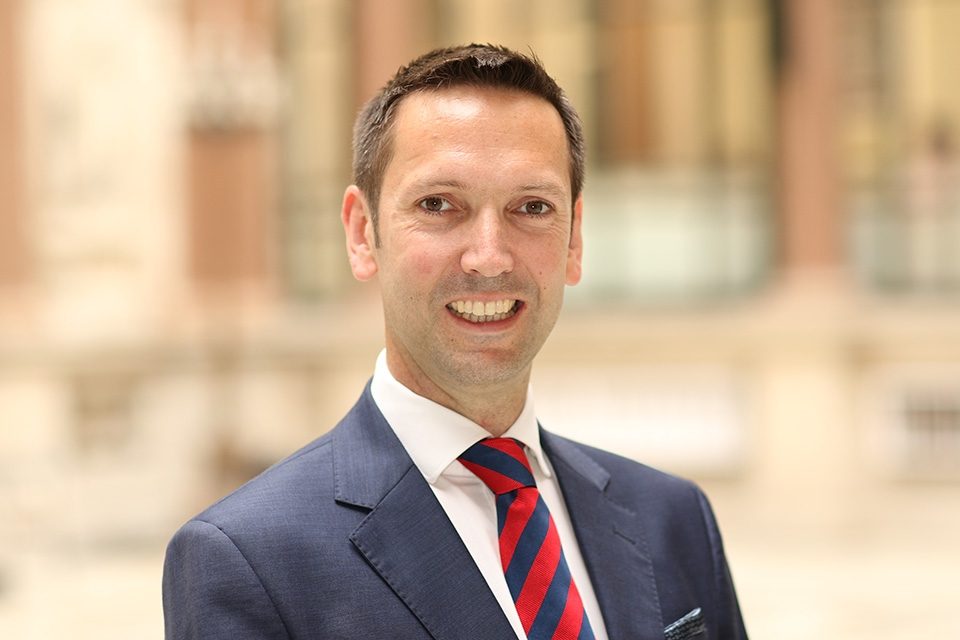
Dominic Williams MBE
With a wealth of diplomatic experience and a deep understanding of international affairs, Dominic is the current British Ambassador to Cambodia, playing a vital role in fostering bilateral relations, political cooperation, trade promotion, and cultural exchange. His dedication to strengthening ties between the United Kingdom and Cambodia contributes to mutual understanding and collaboration. Dominic was made a Member of the Order of the British Empire in 2011 in recognition of his work during the Sri Lankan conflict. In previous roles, he has worked on UN peacekeeping and the conflict in Syria.
“Dominic values empathy and treats individuals with respect, promoting a culture of understanding and cooperation within his team and among stakeholders. He is known for his willingness to offer guidance and support, empowering others to grow and succeed. By embodying kindness in leadership, Dominic cultivates a positive and harmonious atmosphere that promotes collaboration, trust, and the wellbeing of those around him.”
– Sotheavy AT, Strategic Communication Specialist, USAID’s Digital Asia Accelerator, DAI Global LLC
I aim to be a net contributor of positivity – for the majority of my daily interactions to leave a positive impact. This can be as simple as a smile and a greeting, a compliment for professional work or offering advice or guidance. If colleagues feel positive, there is a high chance they will pay it forward.
It's important to value the impact of small kindnesses. Over my career, particularly when working in difficult environments, I have drawn motivation from the small ways I have been able to support people doing important work, contributing to the difference they are making.
Finally, be kind to yourself. I don't always meet the ideals of kindness but try to acknowledge when I fall short. Having a reservoir of goodwill means those around you are likely to be understanding when you have a bad day.
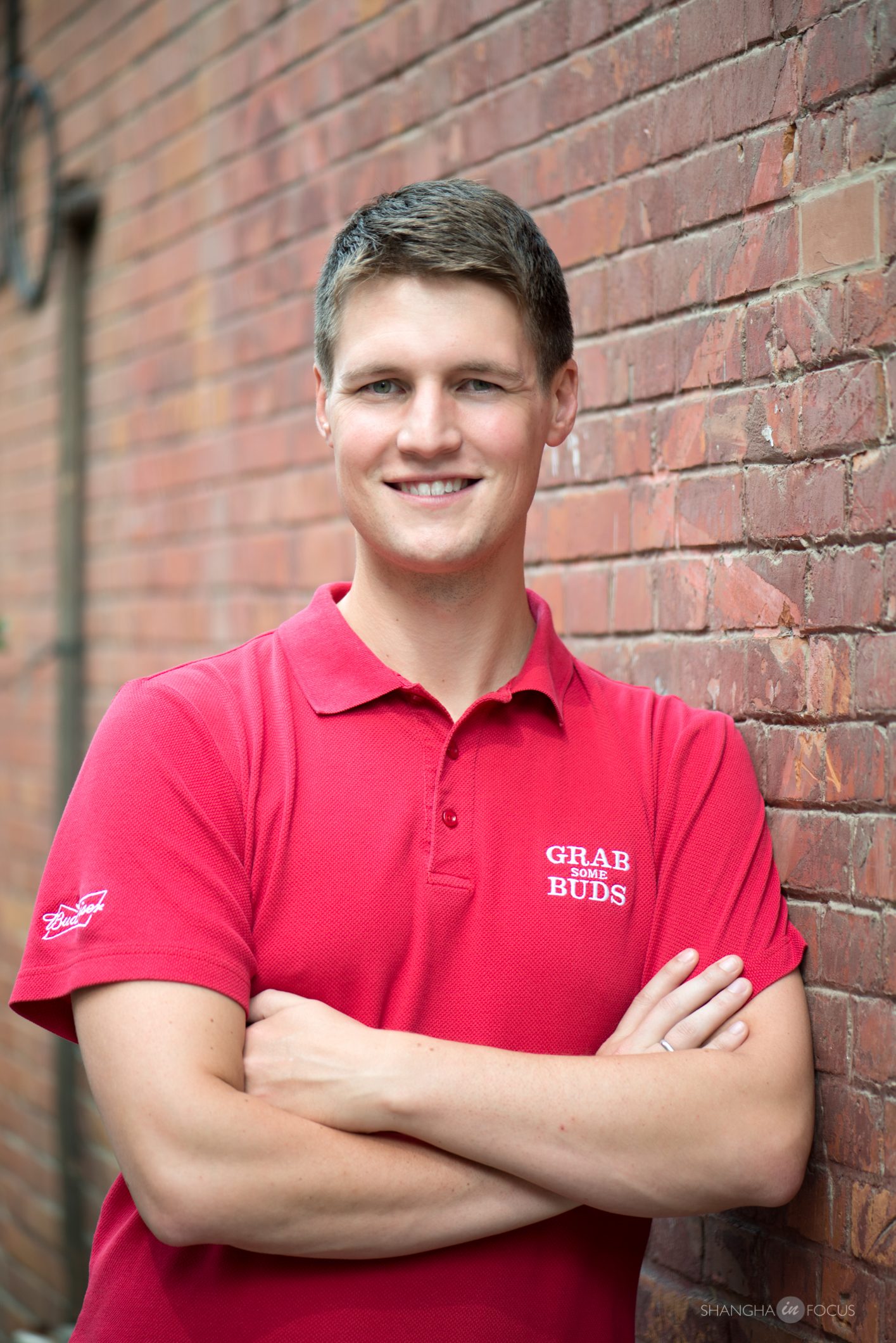
Craig Katerberg
At Asia’s largest brewer, Craig’s responsibilities include external affairs, legal, compliance, crisis management, government affairs, governance, and communications. He leads a team of over 100 colleagues and has served in various senior management roles while based in Hong Kong, the United States, Shanghai, Belgium, and Australia. Prior to his career in beer, Craig worked in public and private practice and served the City of New York in the field of economic development. He sits on the boards of several companies, including Guangzhou Zhujiang Brewing Company.
“Craig is someone who cares about people. He listens and communicates in an engaging way, even in tough moments. He’s a leader who knows how to get the best from each person, being mindful of one’s feelings, and shows that it is possible to create intellectual friction without social friction. He builds strong teams by finding excellent people and working hard with them to set and reach uncomfortable goals.”
– Leticia Kina, Chief Legal, Ethics, and Compliance Officer, Ambev
Praise people publicly – especially in front of their boss. Including their boss on the CC when praising someone is a simple and meaningful habit.
Similarly, and even more importantly, criticise privately – and always respectfully. People on your team and in your organisation need to know when they fall short and how they could have done better. Glossing over those gaps or avoiding hard conversations is a sign of an insecure manager and leader. The lack of those conversations makes the organisation weaker and denies
Arlene Gan
Arlene has sculpted a progressive, positive, and nurturing environment for her geographically diverse team of over 150. Through an inclusive, empathetic, and strategic leadership approach, she has spearheaded client-centric business transformation and garnered multiple industry awards. She is a committed mentor, providing honest and respectful feedback, and knows each member of her team individually. As Chair of the Transaction Banking Women’s initiative, Arlene is building an inclusive platform for support, motivation, and growth to tackle topics surrounding gender equity.
“Trustworthy, strategic, a passion for excellence, actions that are consistent, and never compromising on what she values most – these are the qualities that define Arlene. People are the cornerstone of her leadership. She puts the business and people front and centre, empowering the team, dreaming courageously, and executing the vision with empathy. Arlene has proven that transformation can be delivered through kindness.”
– Chitra Sampath, Regional Head of Implementation India & South Asia, Transaction Banking, Standard Chartered Bank
Being kind does not equate to being nice. In fact, kind leaders are caring and tough. Building a trusting relationship is powerful. Create a safe environment where teams know ‘leaders-have-their-back’ – this creates a sustainable and high-performance team in an ever-evolving corporate landscape.
Kindness matters for effective leadership. Kindness is created and received. It needs to be felt. Kindness is a superpower – winning hearts and minds. It attracts talent, earns loyalty and is human-centred leadership.

Anoushka Sinha
Since the age of ten, Anoushka has been working to reduce inequality, improve learning opportunities for children, and address barriers to equal resources. She leads her own youth nonprofit, was India’s youngest radio host, and has worked with several international organisations, including the UN, UNESCO, the UNDP, and UNICEF, to support youth justice, global health, gender equality, and climate policy. Amongst her many advocacy roles, Anoushka was selected as a green champion for Youth Friendly Standards, a global platform championing youth inclusion that provides a systems-based approach to youth empowerment.
“I have personally experienced Anoushka’s remarkable kindness, tenacity, and resilience. Her relentless pursuit for equality has touched countless lives. She embodies unwavering dedication to standing up for what is right. Her actions, initiatives, and personality reflect a genuine care for others and a deep commitment to their wellbeing. Anoushka exemplifies the qualities of a compassionate and benevolent individual.”
– Manish Rai, Secretary, Ek Pahel
It is crucial to understand that kindness is not only about saying ‘yes’ or solely giving in a company or organisation, it can be as simple as hearing people out and giving them agency. Not only does leading with kindness give us transformative power to make a difference, but it also allows us to make informed decisions that cater to diverse needs and interests. It’s about treating everyone equally, without bias and ensuring everyone has a seat at the table where they can share their voice without fear of judgement.

Alyssa Sahali Tan
At the age of 21, Alyssa created a social enterprise that supports local seaweed farmers, provides economic opportunities to rural women, and sends children to school. Through this, she is able to empower indigenous peoples, rediscover forgotten food biodiversity, and cultivate a kinder post-conflict environment in the region. She is a committed activist for environmental conservation, as well as cultural and heritage preservation. Alyssa also works with the Department of Agriculture to boost foreign agricultural trade, facilitate market access requests, and integrate small farmers into the global value chain.
“Through her brave and stellar leadership, Alyssa has created a positive impact on the most vulnerable sectors. Women from remote areas of the Philippines are now economically empowered, which makes them less susceptible to gender violence, and the farmers she works with are adaptable to the threats of climate change. I admire her courage to further the rights and inclusion of indigenous peoples and innovate new food products that reflect a region’s rich food biodiversity.”
– Angela Lagunzad, Broadcast Journalist, One News/One PH
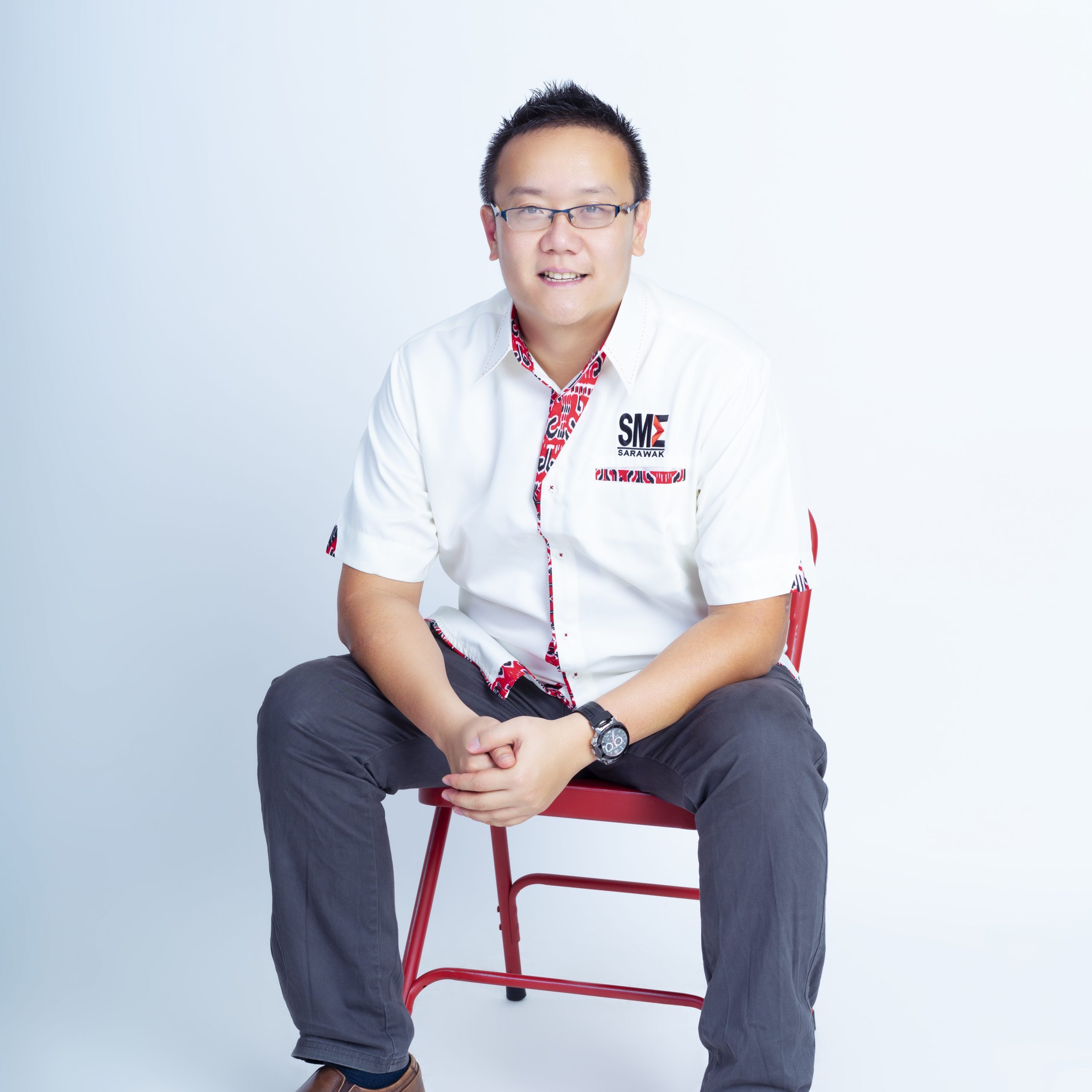
Alan Wei Hua Foung
Alan is the owner and driving force behind Hornbill Agriculture and Farm Direct Shop, which aim to uplift rural farmers and nurture a sustainable future. Through a range of approaches, from traditional farming methods to smart farming technology, Hornbill Agriculture is creating a community of agropreneurs who are improving food security in Sarawak, Malaysia. Alan is also the Secretary General of the SME Association of Sarawak, an Acumen Foundry Fellow 2023, a Council of Sarawak Institute of Agriculture Scientist, and Deputy Secretary of Yellow House, an NGO supporting the homeless.
“Alan has a big heart and a passion to help farmers improve their livelihoods. For ten years he has fixed a trade margin of 20%, giving 80% back to the farmers. He provides guidance through his positions in various organisations… Alan loves to spend time with rural farmers, exchanging ideas and information, discussing how to improve farming together to achieve better outputs.”
– Shyam Marimuthu, CEO, Yellow House KL